

How to Get More Families Subscribed to Your School Newsletter
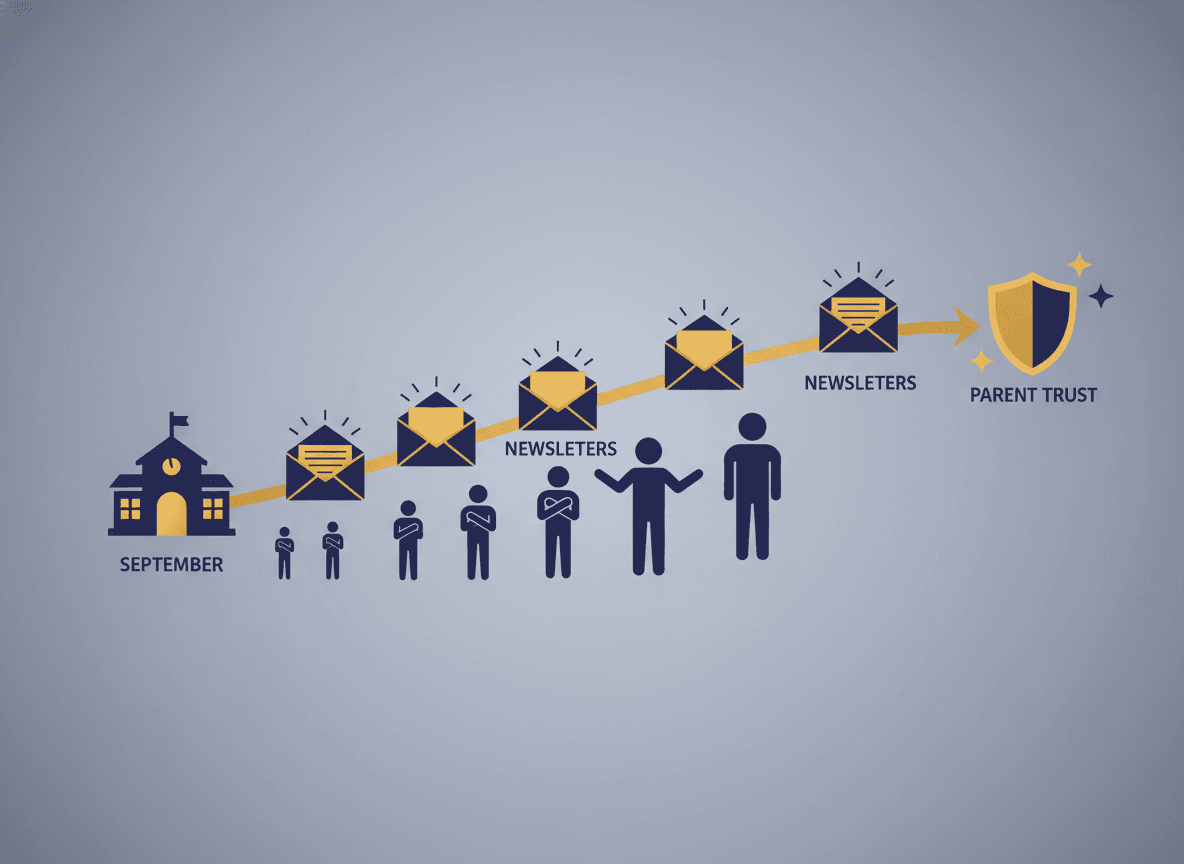
A classroom newsletter that reaches 45% of families is doing roughly half the communication job it could do. The families who are not subscribed are not necessarily disinterested. They may have missed the sign-up, lost the form, or simply not understood what they were opting into. Growing your subscriber list from 45% to 80% of the class is a solvable problem with the right approach.
Make sign-up happen at back-to-school night
Back-to-school night is the highest-yield subscriber acquisition moment of the entire year. Parents are present, their phones are in hand, and they are in exactly the mindset to engage with information about how they will stay connected to their child's classroom. This is the moment to capture, not to miss.
Have a QR code visible at the front of the room that leads to a simple one-field sign-up. Mention the newsletter in your introduction and tell parents what they will learn each week. Then ask them to scan the code before they leave. A brief live demonstration of what the newsletter looks like on a screen, projected for the room, makes it tangible and increases conversions significantly.
Remove every friction point from the sign-up process
Every step between "parent wants to subscribe" and "parent is subscribed" reduces conversions. A paper form that goes home in a backpack has a high failure rate. A link in an email to a form that requires a Google login is worse. A QR code that opens directly to a one-field form that submits in one tap is close to frictionless.
When you use a paper form as a backup, follow up within three days rather than waiting until the end of the month. Paper forms that sit in a pile for two weeks produce much lower completion rates than paper forms entered the same day.
Tell families what they will get before asking them to subscribe
Parents receive a lot of communication requests from a lot of school-related sources. An undifferentiated "subscribe to my newsletter" request is easy to skip. A request that tells parents exactly what they will learn, what they might miss if they are not subscribed, and how often they will receive the newsletter is much harder to skip.
Share a sample newsletter or describe a specific recent send: "Last week I explained why we changed our reading groups, shared a class photo from the science fair, and listed the three forms due this month. Here is how to get it directly in your inbox." Specificity creates a concrete reason to subscribe.
Follow up personally with families who missed the sign-up
Two to three weeks into the school year, check your subscriber list against your class roster. For families not yet subscribed, a brief personal note through the school's contact system, or a note sent home with the student, is more effective than a broadcast reminder. "I noticed you have not yet signed up for my weekly classroom newsletter. Here is the link" is a message that generates response. A general reminder in the classroom newsletter goes only to families already subscribed.
Keep the list current throughout the year
Email addresses change, spam filters catch new subscribers, and families occasionally ask to be removed. A subscriber list that is not maintained actively will lose roughly 10 to 20 percent of its effective reach over a school year. Check your bounce rates and unsubscribe rates monthly and reach out to families whose emails are generating errors to get updated contact information.
Get one newsletter idea every week.
Free. For teachers. No spam.
Frequently asked questions
When is the best time to collect parent email addresses for a school newsletter?
Back-to-school night and the first week of school are the highest-yield moments. Parents are in a receptive, planning mindset and willing to take small action steps. Any sign-up effort at another time of year faces the inertia of parents who have already settled into their communication habits.
What is the most effective way to get a parent to subscribe on the spot?
Remove every friction point possible. A QR code that leads directly to a one-field sign-up form gets higher conversions than a paper form to take home. Back-to-school night sign-up tables with phones or tablets already open to the form are even better. The more steps between intention and subscription, the lower the completion rate.
How should teachers follow up with families who did not subscribe during back-to-school events?
A direct personal reminder through existing school contact channels, such as the school's messaging system or a note home with the student, is more effective than a broadcast ask. A personal note that says 'I noticed you are not yet on my classroom newsletter list' converts better than a general 'subscribe if you haven't yet' announcement.
What is the right incentive to offer parents for subscribing?
The newsletter itself is the incentive. If you have to offer a prize or a raffle ticket to get parents to subscribe, the newsletter's value proposition has not been communicated effectively. Share a specific example of what parents will learn each week, and what they might miss without it, before asking them to subscribe.
Does Daystage make it easier to grow and manage a classroom newsletter subscriber list?
Yes. Daystage provides tools for managing your subscriber list, adding new families at any time, and keeping contact information current throughout the year. Teachers who use Daystage can share a direct sign-up link or QR code that makes the subscription process as easy as possible for new families.

Adi Ackerman
Author
Adi Ackerman is a former classroom teacher and curriculum writer with 8 years in K-8 schools. She writes about school communication, parent engagement, and what actually works in real classrooms.
More for Parent Engagement
10 Parent Engagement Newsletter Strategies That Actually Work for Schools
Parent Engagement · 8 min read
The School Newsletter Editor Role: How to Run a Multi-Contributor School Newsletter
Parent Engagement · 5 min read
Winter Holiday School Newsletter Guide: What to Include and What to Avoid
Parent Engagement · 5 min read
Ready to send your first newsletter?
3 newsletters free. No credit card. First one ready in under 5 minutes.
Get started free