
Grandparent School Involvement Newsletter: Welcome to the Team
Grandparents are one of the most enthusiastic and available volunteer resources schools rarely think to recruit deliberately. In many families, grandparents provide daily childcare, attend school events when parents cannot, and have more time and flexibility than parents juggling full-time jobs. A grandparent school involvement newsletter that directly invites and welcomes them taps into that resource and builds a richer school community at the same time.
Who Is Already in Your School Community
Before writing a grandparent involvement newsletter, it helps to think about what the grandparent population in your school actually looks like. In some communities, grandparents are primary caregivers for a significant percentage of students. In others, they are frequent school visitors who come to events and sometimes volunteer informally. In most communities, there are grandparents who want to be involved but have never been directly invited. Your newsletter is that invitation.
The message should be different from the standard volunteer newsletter. Grandparents are not a subset of "parents and guardians." They have a different relationship to the school, different availability, and often different strengths. Writing to them directly signals that you see them and value what they specifically bring.
What Grandparents Do Best in a School Setting
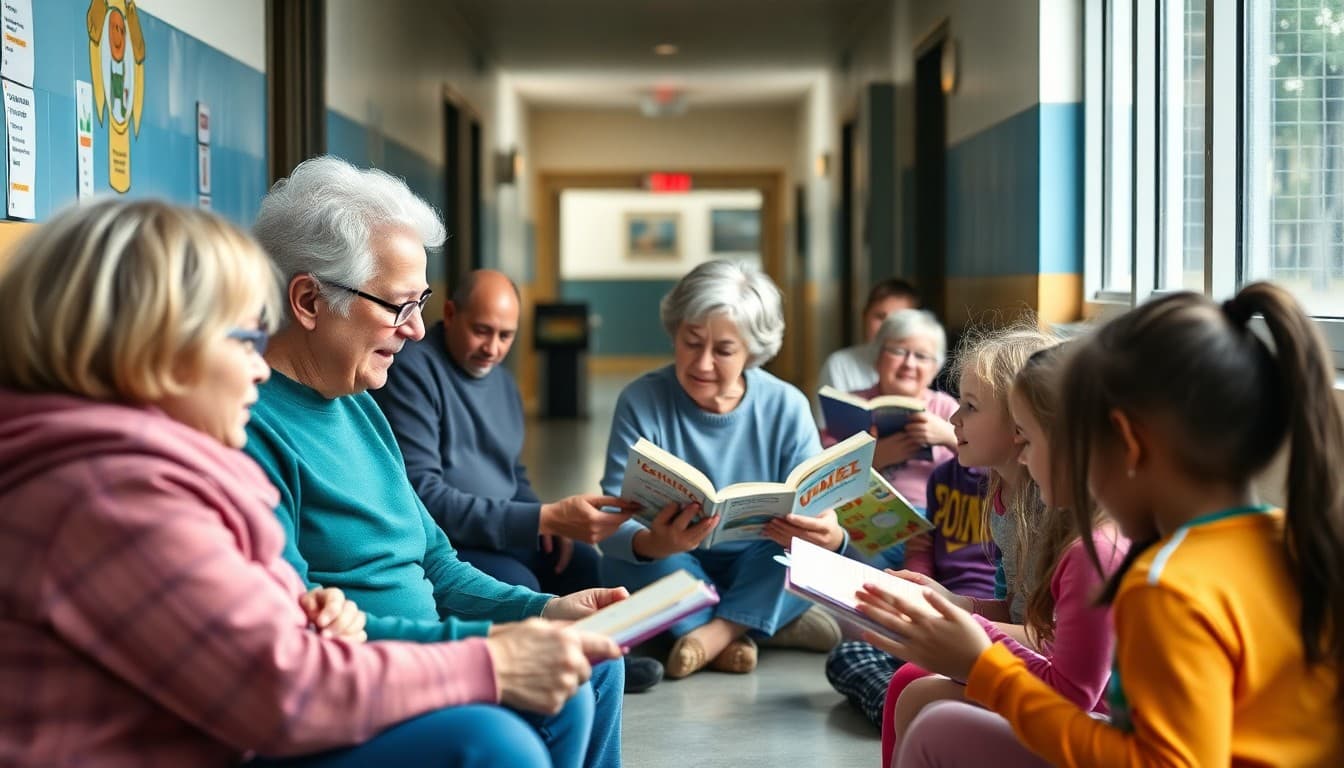
Reading aloud is the highest-participation activity for grandparent volunteers, and for good reason. It requires no specialized training, most children respond warmly to being read to by an older adult, and it fills a real need in classrooms where teachers cannot provide individual reading time to every student. A grandparent who comes in for 45 minutes every Tuesday morning to read with struggling readers provides something genuinely valuable and keeps coming back because the experience is rewarding for them too.
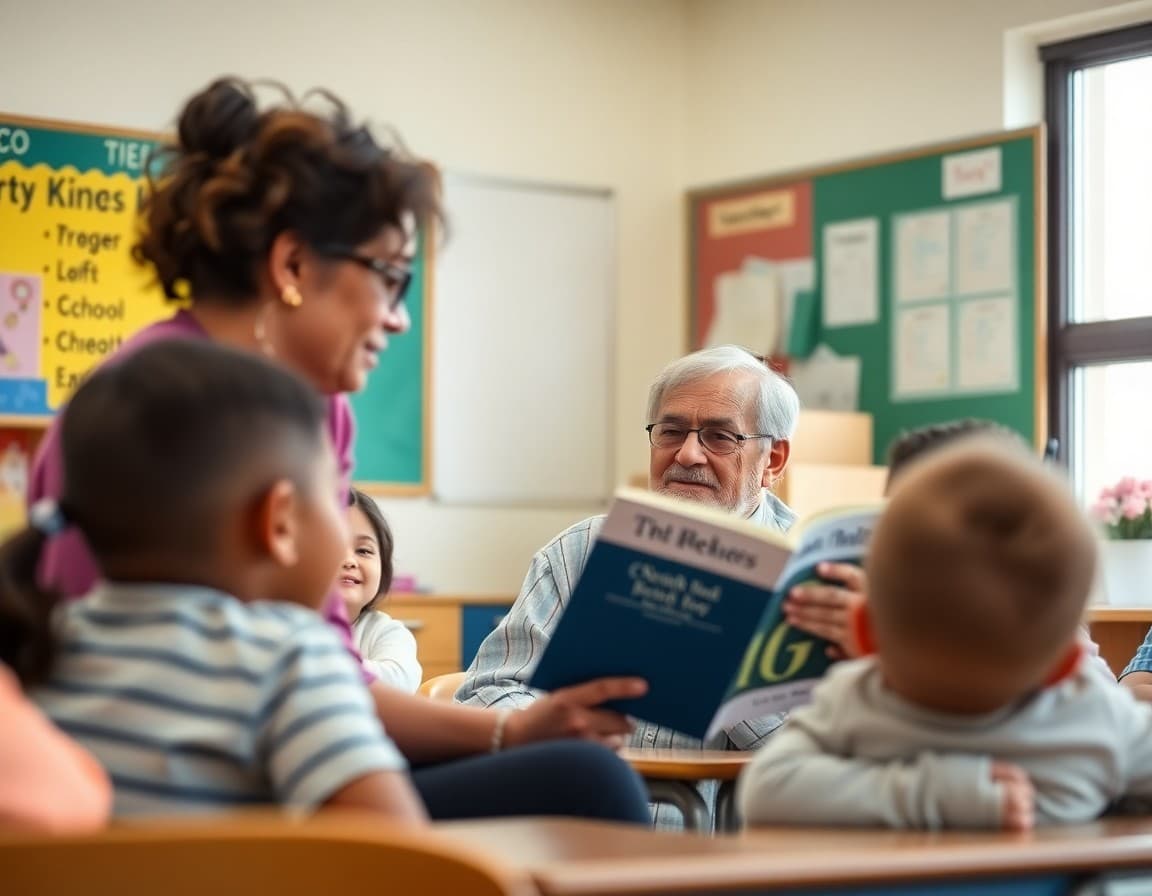
Beyond reading, grandparents contribute something schools cannot replicate: living history and vocational expertise. A grandfather who worked as a machinist can show students tools and techniques that no textbook covers. A grandmother who immigrated at age 14 can describe historical events from the inside in a way that makes history real. These contributions are low-cost, high-impact, and deeply memorable for students. Your newsletter should explicitly name these opportunities because grandparents often do not realize their life experience has educational value.
A Template Newsletter Section for Grandparent Recruitment
Here is a section ready to use or adapt:
"To the Grandparents and Extended Family in Our Community
We want you here. Specifically you, the grandparents, aunts, uncles, and older family members who love the students in our school.
Here is what we are looking for:
Readers: Come in on a Tuesday or Thursday morning from 8:30 to 9:15 AM and read one-on-one or in small groups. We will match you with students and give you the books. All you need to bring is yourself.
Skills and stories: Do you have a skill, a trade, or a piece of history you could share? We would love to have you present to a class. It takes about 20 minutes. Topics welcome: anything you have actually done or lived through.
Grandparents Day: Mark your calendar for [date]. We hold a special morning each year where grandparents are the guests of honor. Coffee, classrooms open, and time with your grandchild at their school.
Background checks are required for in-person volunteering. The process takes about 10 minutes online: [link]."
Grandparents Day: The Anchor Event Worth Building
Grandparents Day, typically celebrated in September, is an anchor event worth building a communication strategy around. The event itself can be as simple as an open classroom morning where grandparents can visit their grandchild's class, see the space, meet the teacher, and observe a short activity. The newsletter communication should start four weeks before the event with a save-the-date, and follow up with details two weeks out and a reminder three days before.
Include information for grandparents who live far away: a video call option, a student-made video to share with distant grandparents, or a letter writing activity that students send home. These alternatives ensure that every student can participate in the experience regardless of whether their grandparent can travel to the school.
Orienting Grandparent Volunteers
Grandparents who volunteer in schools consistently report that a brief orientation makes them feel confident and welcome rather than uncertain about expectations. The orientation does not need to be long or formal. A 30-minute in-person or virtual session that covers how the classroom works, what confidentiality means in a school setting, what to do if a student says something concerning, and how to connect with the teacher if questions come up covers the essentials. Including a one-page reference sheet they can keep is also appreciated.
Frame the orientation in the newsletter as part of the welcome process: "Before your first volunteer session, we hold a brief welcome meeting so you know exactly what to expect and feel confident from your first day. It is part of how we make sure volunteers have a great experience." That framing makes the orientation feel like a benefit, not a barrier.
Keeping Grandparents Connected Throughout the Year
The most effective grandparent engagement programs do not rely on one big event or one big recruiting push. They maintain connection through the year with a brief note in each newsletter: a photo of a grandparent reading with students, a thank-you to named volunteers, an upcoming opportunity to sign up, or a reminder of the standing reading program schedule. Grandparents who feel consistently seen and appreciated keep coming back, and their reliability makes a real operational difference for schools that depend on volunteer support.
Get one newsletter idea every week.
Free. For teachers. No spam.
Frequently asked questions
Why should schools actively recruit grandparents as school volunteers?
Grandparents represent one of the most underutilized volunteer pools in most school communities. Many are retired, highly motivated by their grandchildren's success, have professional expertise worth sharing, and have more flexible weekday availability than parents with full-time jobs. Schools that actively recruit and communicate with grandparents report higher volunteer coverage, stronger intergenerational connections within the school community, and grandchildren who perform better academically when their grandparents are involved in school life.
What activities work best for grandparent volunteers?
Read-aloud programs are the most popular and effective because grandparents typically enjoy reading to children and have the patience for it. Math skills practice, tutoring sessions, and skills-based contributions like cooking, craft instruction, oral history sharing, and vocational demonstrations are also highly effective. Grandparents bring intergenerational knowledge that no school program can replicate. A grandmother who survived the Great Depression talking to a history class, or a grandfather who worked as a carpenter teaching a woodworking workshop, provides learning experiences that have lasting impact.
How do I communicate with grandparents who are not comfortable with email?
Ask parents to share communication preferences when grandparents are identified as primary caregivers or frequent school participants. Many grandparents are comfortable with email; others prefer phone calls or printed communications sent through the parent. For grandparents who are primary caregivers, ensure they are on the direct communication list rather than relying on parents to relay information. Schools that make printed newsletters available for non-digital-access families ensure that grandparent caregivers are not accidentally excluded from important school information.
How do you handle grandparents who want to be very involved but need guidance on current school norms?
Orient them. A brief, warm orientation session for grandparent volunteers covers classroom behavior expectations, confidentiality about other students, age-appropriate language for the grade level, and how the classroom routines work. Most grandparents appreciate the guidance because they genuinely want to be helpful and know that classrooms have changed since they raised their children. Frame the orientation as welcoming rather than corrective and you will find that grandparents become some of your most reliable volunteers.
Can Daystage be used to send a dedicated grandparent involvement newsletter?
Yes, and it works particularly well for a Grandparents Day event newsletter or an ongoing grandparent volunteer recruitment campaign. You can set up a separate email list for grandparents who have expressed interest in school involvement and send them targeted newsletters with volunteer opportunities, event invitations, and school updates. The ability to track opens means you can follow up personally with grandparents who showed interest but have not yet signed up.

Adi Ackerman
Author
Adi Ackerman is a former classroom teacher and curriculum writer with 8 years in K-8 schools. She writes about school communication, parent engagement, and what actually works in real classrooms.
More for Parent Engagement
Ready to send your first newsletter?
3 newsletters free. No credit card. First one ready in under 5 minutes.
Get started free