
How to Personalize School Newsletters for Different Family Types
Walk through any classroom and you will find children from single-parent homes, blended families, households where grandparents are the primary caregivers, foster families, same-sex parent households, and families with two working parents who barely have time to open an email. One newsletter template rarely speaks well to all of them at once.
Personalization does not mean writing 28 different newsletters. It means thinking about who is actually reading your words and making deliberate choices about language, structure, and content that make each family feel like you see them.
Start with inclusive language as a baseline
The fastest personalization win is updating your default salutation and framing. "Dear Parents" excludes grandparents, guardians, aunts and uncles, and foster caregivers who are raising your students. "Dear Families and Caregivers" costs nothing to type and signals immediately that you are aware of the range of households in your class.
Extend this into the body of the newsletter. "Ask your parents" becomes "ask the adults at home." "Bring this home to Mom or Dad" becomes "share this with your household." These small shifts make your newsletter readable to every caregiver, not just the traditional two-parent household.
Adjust structure for time-pressed households
Single parents, working parents with no co-parent support, and grandparent caregivers managing their own health alongside childcare are all reading your newsletter under time pressure. The newsletter that works for a stay-at-home parent who has 20 minutes to read on a quiet Tuesday is not the newsletter that works for someone getting home at 6:30 pm with dinner to cook and homework to supervise.
Front-load your action items. Put deadlines, forms, and permission slips in a clearly labeled section near the top. Use bullet points for items that need a response. If someone only has 90 seconds, make sure they see the thing that requires action before they close the email.
Consider what different households actually need to know
Families in different circumstances often have different informational needs. Grandparent caregivers sometimes have less familiarity with current school technology, recent policy changes, or new academic approaches. A brief plain-language explanation of what a new program actually is, rather than assuming prior knowledge, serves them without talking down to anyone.
Foster families and families going through transitions often need to know exactly who to contact and how, because they may not have built the same relationship network at the school as long-term families. Clear contact information and an open door signal makes a difference for these households.
Handle two-household situations carefully
A significant share of your students may have two households receiving your newsletter, whether through divorce, separation, or a custody arrangement where both parents are actively involved. This is a situation where careless language can cause actual friction.
Never assume one parent is more informed or more primary. Do not reference "your house" in a way that implies a single residence. Keep your newsletter factual and informative rather than interpretive. If there is something that requires a decision, note that either parent can follow up, not just one.
What you cannot personalize, acknowledge
Some newsletters will touch on experiences that not every family can access equally. A request for volunteers assumes availability. A field trip fee assumes financial ease. A family project assumes a stable home environment with materials and time.
You do not need to call out every assumption in every newsletter. But when you are making a request that requires resources, add a brief note inviting any family to reach out privately if they need support. That sentence is not just kind. It keeps families who might otherwise quietly disengage from feeling excluded.
Consistency matters more than perfection
Personalization is a direction, not a destination. You will not nail the language in every newsletter, and some weeks the content will be more generic than others. What matters is that you are building a habit of thinking about who is reading before you write, and adjusting where you can.
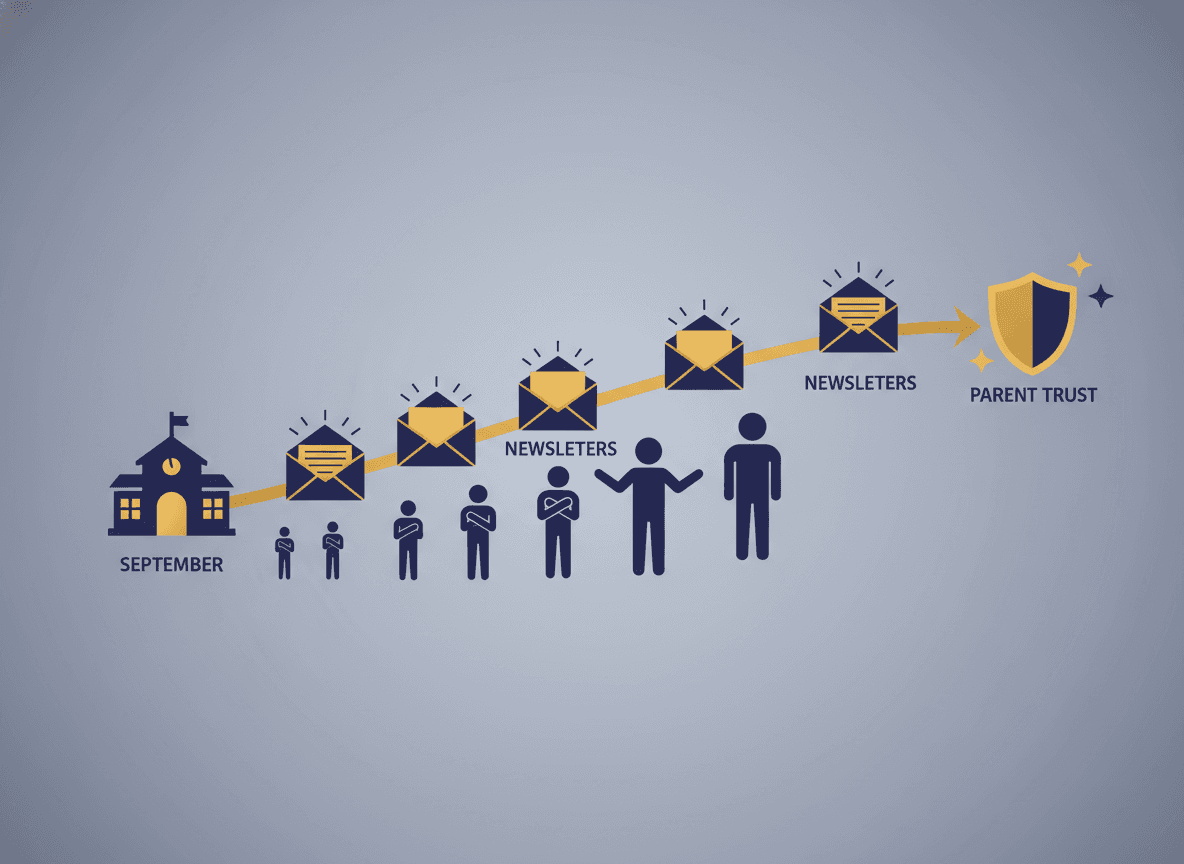
Families notice over time when a teacher writes for them rather than at them. That noticing builds the kind of trust that makes the rest of the school year easier for everyone.
Get one newsletter idea every week.
Free. For teachers. No spam.
Frequently asked questions
Do teachers really need to send different newsletters to different families?
You do not need a fully separate newsletter for every family type. Small adjustments to language, salutations, and which sections you highlight go a long way. Even changing from 'Dear Parents' to 'Dear Families and Caregivers' shows awareness that your classroom has many types of households.
How should newsletters address families where a grandparent is the primary caregiver?
Use language that assumes the reader is any adult who cares for the child, not necessarily a parent. Phrases like 'your student's household' or 'the adult at home' are more inclusive. Grandparent caregivers often appreciate practical summaries about school policy more than classroom narrative, so consider making that section easy to find.
What content adjustments help newsletters work better for single-parent households?
Single parents are often pressed for time. Keep the newsletter scannable with clear headers and bullet points for action items. Front-load deadlines and forms that need attention before burying narrative content. A short, clear newsletter respects limited bandwidth without sacrificing warmth.
How do you handle newsletters when a child has two households receiving the same email?
Avoid any language that assumes one household is primary. Do not address newsletters to 'Mom and Dad' or reference 'your home' in a way that implies a single residence. If co-parents sometimes have conflict, your newsletter should be factual and action-focused so there is nothing to dispute.
Does Daystage support sending customized versions of a newsletter to different family segments?
Daystage makes it easy to manage your subscriber list and draft newsletters that feel personal without being complicated. You can adjust language and tone across your template so every family in your class feels seen rather than addressed generically.

Adi Ackerman
Author
Adi Ackerman is a former classroom teacher and curriculum writer with 8 years in K-8 schools. She writes about school communication, parent engagement, and what actually works in real classrooms.
More for Parent Engagement
Parent Newsletter Segmentation: How to Send the Right Message to the Right Families
Parent Engagement · 5 min read
How Often Should Teachers Send School Newsletters? A Frequency Guide
Parent Engagement · 6 min read
How to Write a Welcome Newsletter That Makes New Families Feel at Home
Parent Engagement · 6 min read
Ready to send your first newsletter?
3 newsletters free. No credit card. First one ready in under 5 minutes.
Get started free