
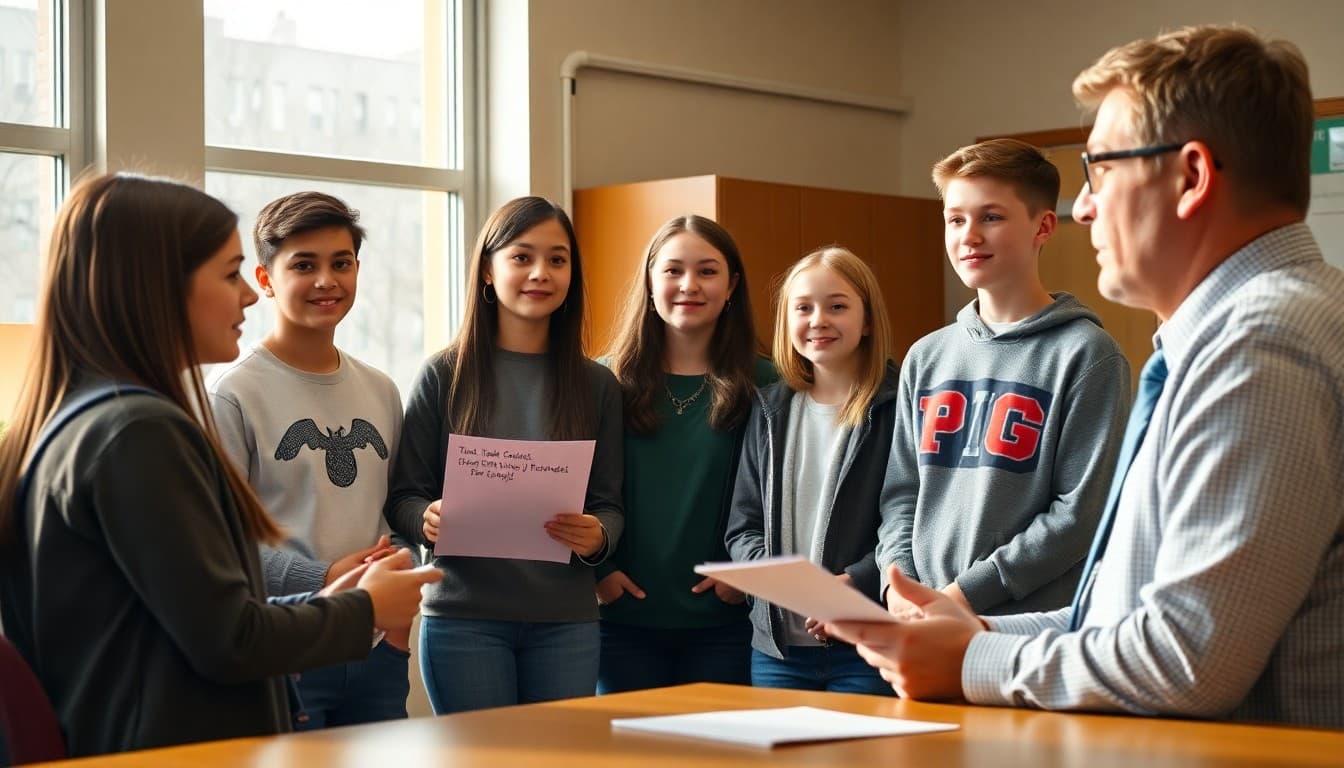
Student Government Newsletter: Communicating Elections, Events, and Leadership to Families
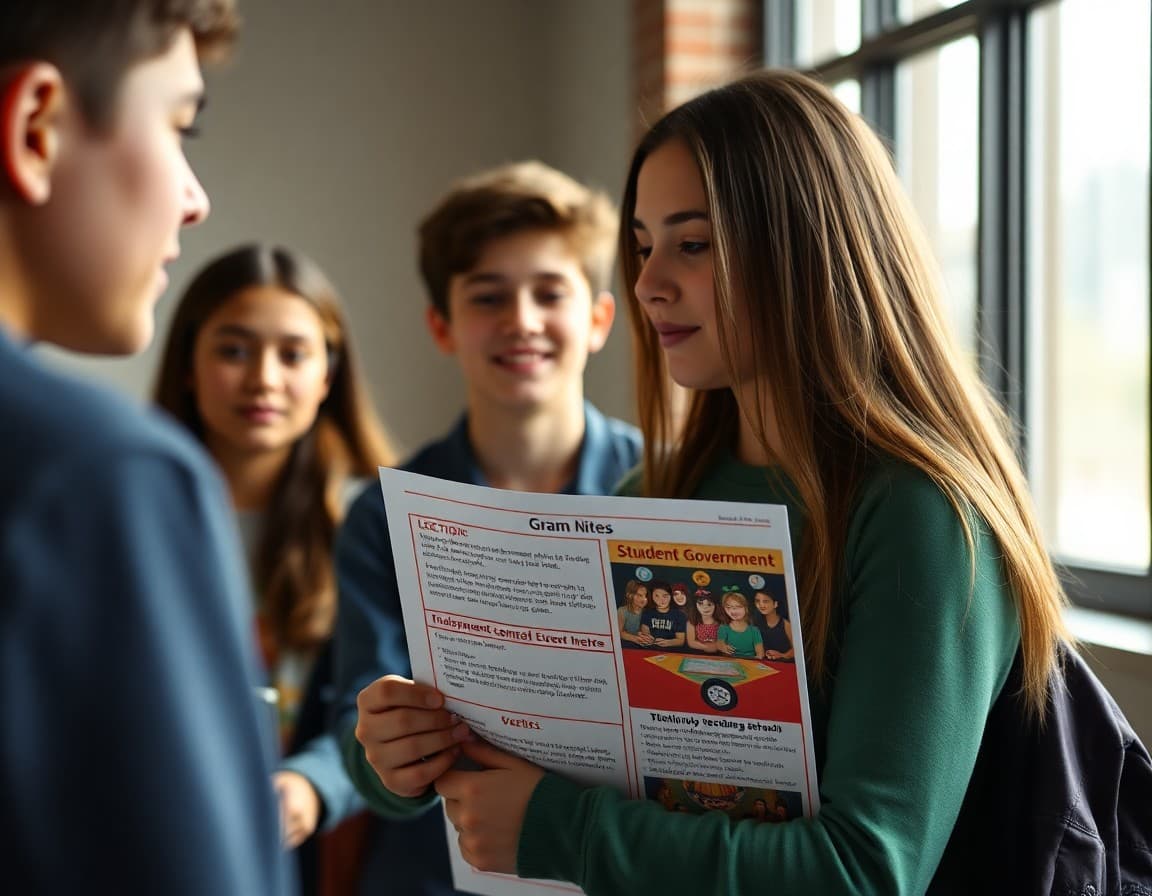
Middle school student government is one of the most visible leadership development programs in a school, and one of the most misunderstood by families who are not directly involved. Some families assume student council is primarily ceremonial. Others do not know how their student can get involved. A regular newsletter from the faculty advisor changes both of these misperceptions and builds the family support that helps student council initiatives actually work.
What Student Government Actually Does in Your School
No two student government programs work exactly the same way. Your first newsletter of the year should describe specifically what student council at your school does. Does it control a budget? If so, how much and for what purposes? Does it organize specific events? Does it have a formal channel for bringing student concerns to school administration? Does it work with the principal on policy feedback? The specific description of what the council does at your school is more useful to families than a generic description of what student government is supposed to do in theory. Families who understand the real scope of council authority help their students pursue the work that is actually within council's power rather than advocating for things outside its reach.
Election Season Communication
Student government elections are among the most exciting periods in the middle school year for students who are running and for classmates who follow the campaigns. A newsletter sent three weeks before elections does three things. It explains the positions available and their responsibilities so students can decide which roles match their interests and time commitments. It describes the election process: when are speeches, when is voting, who is eligible to run and vote. It encourages all students to participate, whether as candidates, campaign supporters, or informed voters. Elections are a genuine civic education opportunity, and families who receive this context are better positioned to engage their student in conversations about democratic participation.
Current Projects and How Families Can Help
Student council projects are more successful when the broader school community understands and supports them. If student council is running a food drive, a newsletter that explains the goal, the timeline, and how families can contribute turns a student project into a school-community effort. If student council is advocating for a change to school policy, families who understand the proposal can have informed conversations with their students about advocacy and the appropriate channels for school change. The newsletter connects the council's work to the family community that ultimately benefits from it.
Representing the Student Voice
A student government newsletter gains authenticity when it includes a message from the students themselves. Ask the student council president or a rotating officer to write a brief paragraph each month about what council is working on and why it matters to them. This student voice makes the newsletter feel like it actually comes from the student leadership rather than being written entirely by an adult advisor. Families who read their student's friend's words about a project feel the community connection that makes school culture meaningful. Edit lightly to fix errors but preserve the student's voice rather than rewriting into adult prose.
Community Service and School Improvement Highlights
When student council completes a project, whether a successful food drive, a student-led environmental initiative, or a feedback process that led to a real policy change, the newsletter is where you share that outcome with families. These reports of success build the credibility of student government as a meaningful institution in the school. Families who see evidence that student council actually accomplishes things are more likely to encourage their student to participate, run for office, or support council initiatives. The track record of the program, communicated consistently through the newsletter, becomes one of the program's strongest recruitment tools.
Connecting Student Government to Daystage for Family Reach
Student council newsletters often have a limited distribution because families who are not already engaged may not know to subscribe. Promoting the student government newsletter at back-to-school night, in the school-wide family newsletter, and through the advisory teacher newsletters reaches families who would benefit from the information but have not yet connected to the student council communication channel. Daystage makes it easy to share a newsletter sign-up link across multiple school communication touchpoints so families who want to follow student council activity can subscribe easily.
Get one newsletter idea every week.
Free. For teachers. No spam.
Frequently asked questions
What should a student government newsletter include?
A student government newsletter should cover upcoming elections and how students can run or vote, current student council initiatives and their status, upcoming school events organized or supported by student government, how students can bring ideas or concerns to student council, and any community service or school improvement projects the council is working on. Include a brief message from a student council officer when possible, which gives the newsletter a student voice that families appreciate.
How do you explain student government to families who are unfamiliar with how it works?
Describe what student government actually does at your specific school. Some student governments have real decision-making authority over budget items, school events, and policy feedback. Others are primarily advisory. Be honest about the scope of student council power and the ways it does affect school culture. Families who understand the actual role of student government can help their student calibrate their expectations and channel their energy into the parts of the role where they can make a genuine difference.
How can families support a student who is running for student government?
Help the student think through their campaign message: what specific change do they want to make and why should classmates vote for them? Practice their speech with them before they present to the class. Help them design a poster or prepare a speech if those are part of the election process. Most importantly, discuss what the role involves in terms of time and responsibility so the student can make an informed commitment. Winning an election and then not fulfilling the responsibilities is a poor experience for the student and the school. Preparation before the election is better than regret after it.
What are common student government projects in middle schools?
Common middle school student council projects include organizing spirit weeks and dances, running community service drives, advocating for specific school policy changes like cell phone policies or lunch options, fundraising for school or community causes, and creating events that celebrate school culture. The best projects are ones where students have genuine ownership and make real decisions rather than executing adult-designed plans. Tell families what the current project is and what outcome students are working toward.
How does Daystage support student government faculty advisors in communicating with families?
Daystage lets the student government faculty advisor send regular newsletters to families with election updates, event announcements, and project highlights. The event block feature is particularly useful for student government newsletters: election day reminders, event dates, and community service opportunities can all be presented with clear dates and action items that families and students can act on immediately.

Adi Ackerman
Author
Adi Ackerman is a former classroom teacher and curriculum writer with 8 years in K-8 schools. She writes about school communication, parent engagement, and what actually works in real classrooms.
More for Middle School
Class President Election Newsletter: What Middle School Families Need to Know
Middle School · 6 min read
Peer Mentoring Program Newsletter: Helping Families Understand Middle School Mentorship
Middle School · 6 min read
Service Club Newsletter: Communicating Community Impact to Middle School Families
Middle School · 6 min read
Ready to send your first newsletter?
3 newsletters free. No credit card. First one ready in under 5 minutes.
Get started free