Peer Mentoring Program Newsletter: Helping Families Understand Middle School Mentorship

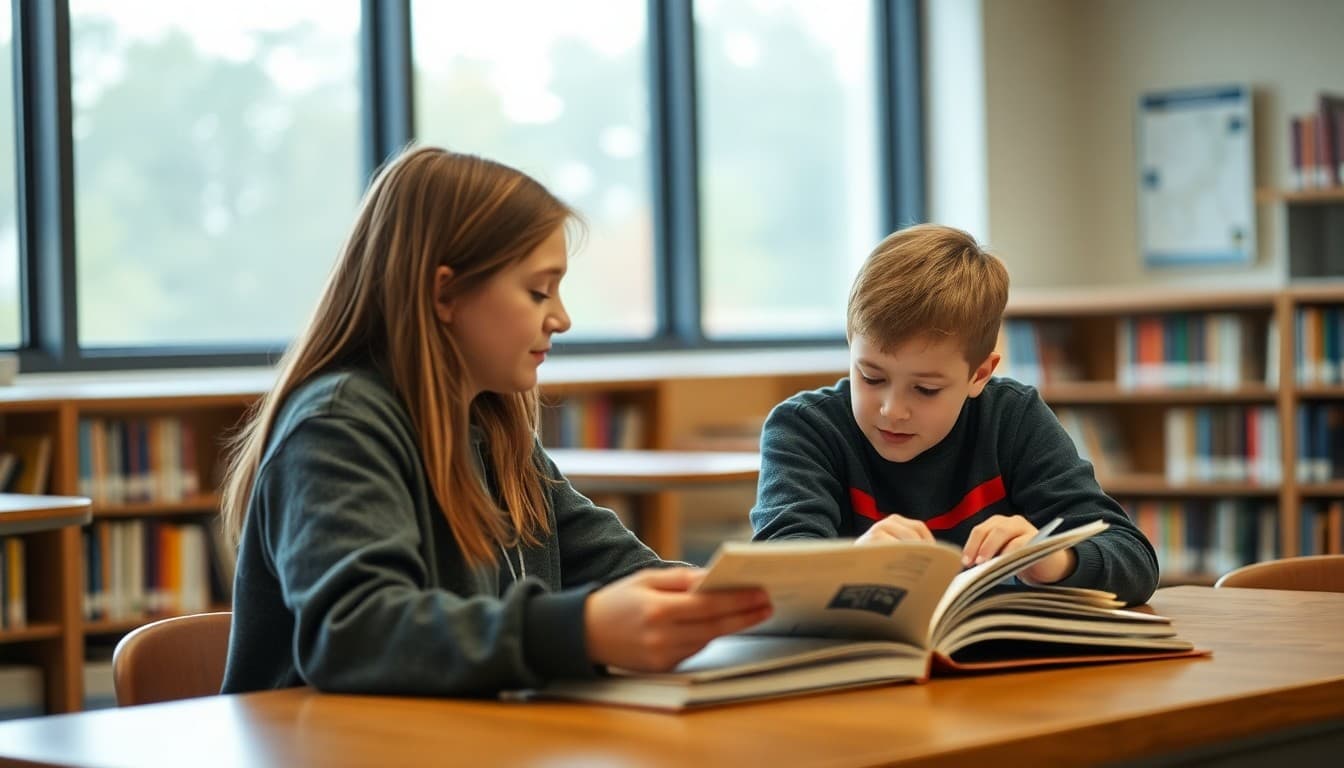
Peer mentoring programs harness something no adult program can replicate: the credibility of a slightly older peer who has recently navigated the same transition. A sixth grader who is struggling with the social complexity of middle school may dismiss a teacher's reassurance but genuinely absorb the same message from an eighth grader who went through it two years ago. Communicating the value and structure of a peer mentoring program to families of both mentors and mentees makes the program work better on both sides of the relationship.
The Program Structure and How It Works
Be specific about the mechanics of your program in the opening newsletter. Which grade levels serve as mentors and which are mentees? How are pairs matched, and who makes the matching decisions? How often do pairs meet and for how long? Where do they meet? What activities do mentor pairs do together: academic support, social conversation, organized activities, or a combination? Families who understand the structure can reinforce the relationship at home. A parent who asks their sixth grader “did you meet with your eighth-grade mentor this week?” is signaling that the relationship matters and has family support, which increases the student's engagement with it.
Mentor Training and What It Covers
Families of students who serve as mentors need to know that their child has received preparation for the role. Describe the training mentors complete before they begin: what they learn about active listening, how to handle a mentee who shares concerning information, what topics are appropriate for peer conversations, and when to involve an adult. Families who know their student has been trained take the commitment more seriously and feel more confident that the mentoring relationship will be appropriately supervised. Families who see the training as substantive are also more likely to discuss the role with their student at home, which reinforces the training.
Benefits for Mentors Specifically
The benefits of being a peer mentor are not always obvious to middle schoolers or their families. A newsletter that names specific skills the mentoring experience develops makes the time commitment feel worthwhile. Mentors practice explaining concepts in accessible language, which deepens their own understanding. They develop patience and perspective by supporting someone with less experience. They build a resume item that is genuinely differentiating for high school applications and activities. They also form a cross-grade friendship that often becomes one of their most meaningful school relationships. Naming these benefits specifically in the newsletter helps families frame the commitment positively rather than as a burden on a busy schedule.
Safeguards and Supervision
Every peer mentoring newsletter should include a clear description of the supervision and safeguard structure. Adult supervisors are present during all mentor-mentee meetings or are monitoring the space where meetings happen. Mentors have a clear process for escalating any concerning information a mentee shares. Both parties understand the boundaries of the relationship and the reporting structure for any concerns. Mentee information is kept confidential within the program. This transparency is not about suggesting the program is unsafe. It is about giving families the assurance that the program is well-designed. Families who know safeguards are in place are more comfortable with their student participating in both roles.
What to Do When the Mentoring Relationship Is Not Working
Not every mentor-mentee pairing is a successful match. Personality differences, schedule conflicts, or simply a lack of connection can make a pairing difficult. The newsletter should include a clear process for families who have concerns about their student's mentoring relationship. Name the program coordinator and provide their contact information. Explain that re-matching is possible without stigma if a pair is not working. A family who knows how to raise a concern constructively is more likely to do so early, when a solution is easy, than to wait until the problem has affected their student significantly.
Measuring What the Program Produces
A newsletter sent later in the year that shares what the program accomplished makes families feel the investment was worthwhile. Did younger students who participated report feeling more connected to the school? Did their attendance or grades improve compared to the prior year? Did mentors report developing specific skills? Even informal feedback shared in aggregate gives families evidence that the program has real impact rather than being a well-intentioned activity with no measurable outcome. Programs that can report impact data maintain family support through future years and program expansions.
Get one newsletter idea every week.
Free. For teachers. No spam.
Frequently asked questions
What should a peer mentoring program newsletter cover?
Explain the program structure: which students serve as mentors, which students are paired with mentors, how often mentor pairs meet, and what activities they do together. Describe the training mentors receive before they begin. Explain the goals of the program: building connection across grade levels, supporting academic and social transitions, developing leadership in older students, and giving younger students a trusted older peer. Include information about how families can reinforce the mentoring relationship at home and what to do if a student has concerns about their mentor or mentee relationship.
How do you explain the benefits of peer mentoring to families of younger students?
Research on peer mentoring consistently shows that access to an older, trusted peer helps younger students navigate the social and academic challenges of middle school more successfully. Younger students often take advice from older peers that they would reject from adults. A seventh or eighth grader who has been through the same hallways explains the cafeteria hierarchy, homework expectations, and social dynamics from a perspective no adult can fully replicate. Families who understand this are more likely to encourage their student to engage with the mentoring relationship rather than dismissing it as unnecessary.
How do you explain the benefits of peer mentoring to families of older students who are mentors?
Being a mentor develops specific leadership skills: communication, patience, empathy, and the ability to explain concepts to someone with less context. Research also shows that teaching something to someone else deepens the mentor's own understanding. For eighth graders who will lead high school teams, clubs, and projects, the mentoring experience is genuine preparation. Families of mentors who understand these benefits support their student's time commitment to the program rather than viewing it as a distraction from academics.
What safeguards should a peer mentoring newsletter describe?
Families of both mentors and mentees should know the supervision structure: adult supervision is present during all mentor-mentee meetings. Describe the training mentors receive on appropriate versus inappropriate conversations and how to escalate concerns. Explain the confidentiality boundaries: mentors should not share personal information about their mentee with other students. Include the reporting process for any concerns that come up in a mentoring relationship, including how to contact the program coordinator. Transparency about safeguards builds family trust in the program.
How does Daystage help peer mentoring program coordinators communicate with families?
Daystage lets program coordinators send separate newsletters to the families of mentors and mentees with role-appropriate content, while also sending a general program update newsletter to both groups. The ability to segment the subscriber list by role means families of mentors receive the mentor training schedule and mentor-specific tips while families of mentees receive information specific to their student's experience.

Adi Ackerman
Author
Adi Ackerman is a former classroom teacher and curriculum writer with 8 years in K-8 schools. She writes about school communication, parent engagement, and what actually works in real classrooms.
More for Middle School
Student Government Newsletter: Communicating Elections, Events, and Leadership to Families
Middle School · 6 min read
Middle School Orientation Day Newsletter: What Families Need Before the First Day
Middle School · 6 min read
Advisory Period Newsletters: Keeping Families Informed About This Unique Class
Middle School · 6 min read
Ready to send your first newsletter?
3 newsletters free. No credit card. First one ready in under 5 minutes.
Get started free