
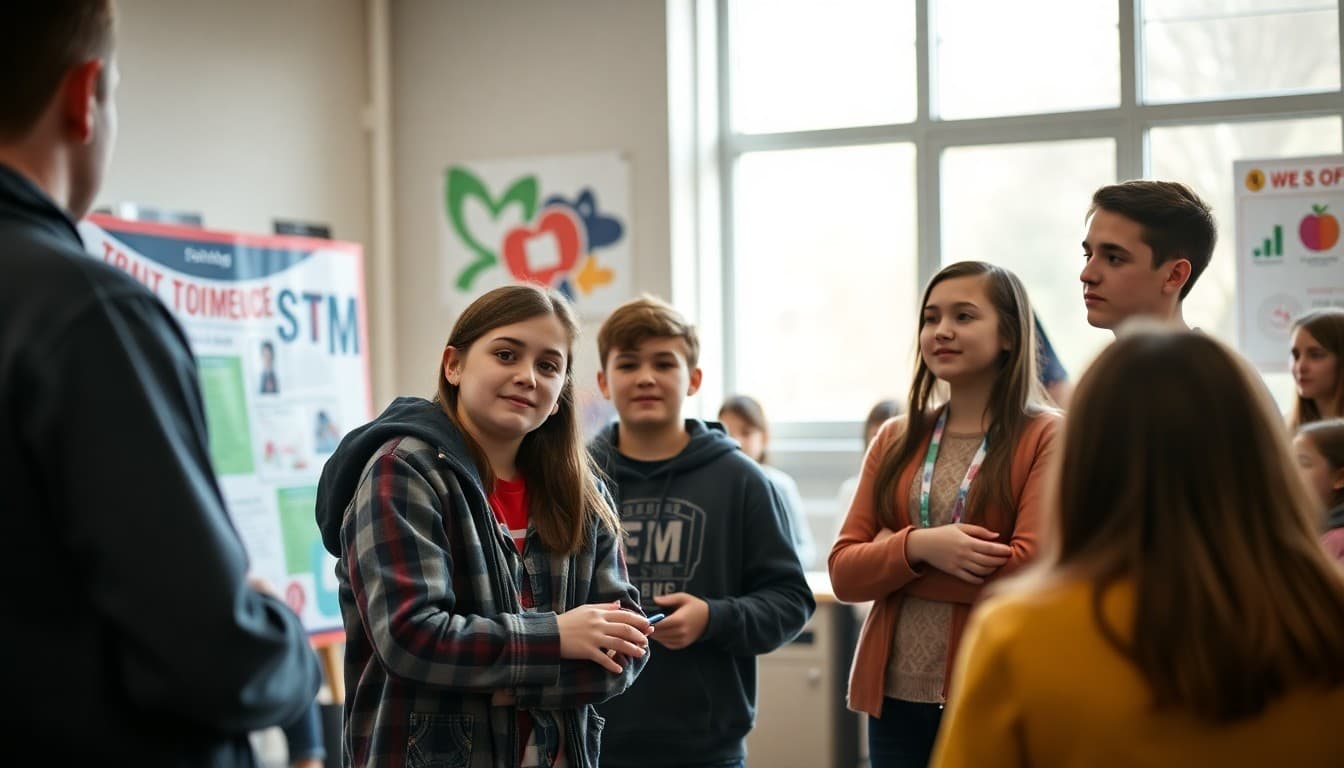
STEM Competition Newsletter: Preparing Families for the Event

STEM competitions ask more of students than regular class projects and produce more significant outcomes when they go well. A student who participates in a regional science fair, a robotics tournament, or a math olympiad gets experience with preparation under real stakes, presenting to an authentic audience, and competing against peers from outside their school. These experiences are formative regardless of where the student places. A newsletter that explains the event, prepares families for the timeline and logistics, and frames the experience appropriately makes the whole process smoother for students, families, and teachers alike.
What This Competition Involves
The specific format of the competition determines what preparation looks like and what competition day involves. Your newsletter should describe the competition format clearly: whether it is team-based or individual, whether it involves a presentation to judges, a written component, a performance under timed conditions, or some combination. Name the specific competition and provide a link to the official website so families can read more. Describe what a successful outcome looks like, which for most STEM competitions at the middle school level is completing the work with integrity, presenting it clearly, and learning from the experience regardless of placement.
The Preparation Timeline
STEM competition preparation typically involves milestones that correspond to different phases of the project: initial design, prototype development, documentation, presentation preparation, and practice rounds. Sharing a timeline in the newsletter helps families understand when different types of support will be most useful and when to expect their student to need more time and energy for the project. If there are after-school preparation sessions, the schedule should be in the newsletter with clear information about transportation expectations. Families who know what the preparation calendar looks like can plan their logistics accordingly rather than being surprised by late pickup requests or last-minute supply needs.
What Judges Are Looking For
Students often prepare their project without a clear understanding of how it will be evaluated. Sharing the judging criteria with families helps students prepare more effectively. Most STEM competitions evaluate the quality of the original problem statement, the design process and evidence of iteration, the quality of the solution, the clarity of documentation, and the ability to explain and defend the work in conversation with judges. Students who can articulate why they made each design decision and what they tried before arriving at their current approach impress judges much more than students who can only describe what their project does. Practicing explaining the why is the most important competition preparation that families can support at home.
Supporting Your Student Through the Outcome
Competition outcomes range from winning to not placing, and students have genuine emotional responses to both. Families who have a prepared response to either outcome serve their student better than those who are caught off guard. If the student places or wins, celebrate the work that earned that outcome. If the student does not place, focus on what they accomplished, what they learned, and what they would do differently. Avoid framing not placing as failure when it is the experience that most students who go on to become engineers, scientists, and innovators went through multiple times before their work was recognized. The students who compete repeatedly and improve are the ones who eventually succeed at the highest levels.
Get one newsletter idea every week.
Free. For teachers. No spam.
Frequently asked questions
What types of STEM competitions are middle school students eligible for?
Middle schoolers can participate in FIRST LEGO League, VEX IQ Robotics, Science Olympiad, Mathcounts, National History Day, regional science fairs with STEM categories, Math Olympiad, and many state and district-level competitions. The specific competition this newsletter covers should be named and described in terms of what the format involves and what preparation looks like.
How is STEM competition preparation different from regular class work?
Competitions typically require significantly more independent work than class projects, including designing an original solution, documenting the process thoroughly, preparing a presentation for judges, and practicing under conditions that approximate the competition environment. Students often work in teams and must coordinate outside of class time. The preparation period can span weeks or months for major competitions.
How should families support competition prep without taking over?
The most valuable support is logistics: transportation to practice sessions, a quiet space for documentation work, meals on late preparation evenings. For the project itself, ask questions rather than suggesting solutions. Ask what challenge they are trying to solve, why they chose their approach, and what they have already tried. Avoid suggesting specific technical solutions that would make the project theirs rather than the student's.
What happens on competition day and how should families prepare?
Competition day logistics vary. Most competitions involve arriving early for check-in, a period where students set up their materials or project, competition rounds or judging sessions, and an awards ceremony. Students should arrive fed, rested, and with all materials ready. Families who attend should plan to be present for the full event including the awards, as students notice who is there.
How does Daystage help schools keep competition families informed?
Daystage lets teachers and coaches send detailed competition newsletters with schedules, logistics, and preparation milestones in a well-organized format. Sending regular updates through Daystage keeps families engaged in the preparation process and ensures no one misses critical competition-day information.

Adi Ackerman
Author
Adi Ackerman is a former classroom teacher and curriculum writer with 8 years in K-8 schools. She writes about school communication, parent engagement, and what actually works in real classrooms.
More for Middle School
Ready to send your first newsletter?
3 newsletters free. No credit card. First one ready in under 5 minutes.
Get started free