
Robotics Unit Newsletter: What Families Need to Know
Robotics units are among the most kinetic and collaborative learning experiences in middle school. Students who have struggled with traditional instruction come alive when they are building something physical and programming it to move. The combination of engineering, coding, math, and teamwork in a single project addresses learning styles and interests that rarely overlap in traditional curriculum. A newsletter that explains the unit to families sets the stage for the right kind of support and enthusiasm.
What Students Are Building and Why
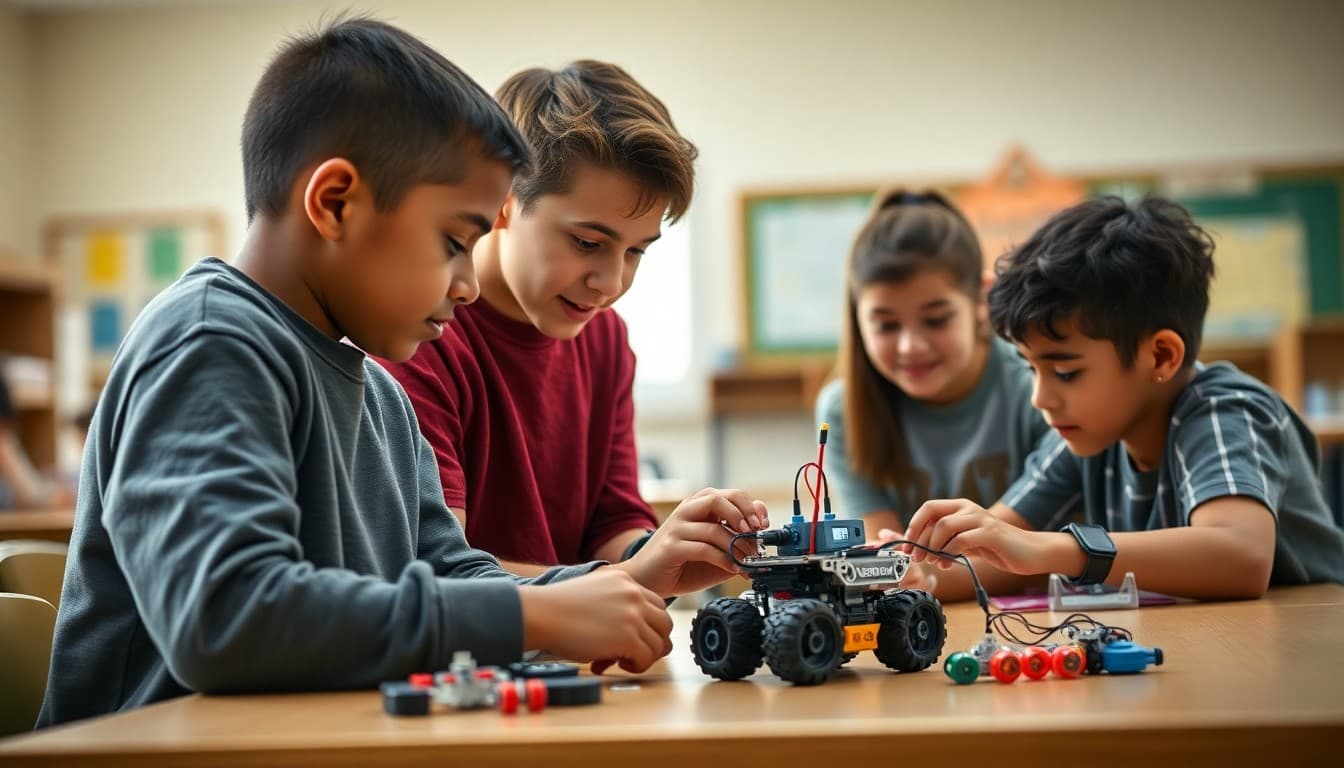
During this unit, student teams will design, build, and program a robot to complete a series of challenges. The specific challenges require the robot to navigate, pick up objects, respond to sensors, or perform other tasks depending on the unit design. Students will make decisions about robot construction, test those decisions against real performance, and iterate on their design multiple times before arriving at a solution they are satisfied with. This is not a "build from instructions" kit project. Students make real design choices that affect real outcomes, and they experience the consequences of those choices directly and immediately through how their robot performs.
The Engineering Design Process in Practice
The engineering design process is one of the most valuable frameworks students can learn and robotics is one of the best contexts in which to learn it. The process moves through define, research, brainstorm, prototype, test, evaluate, and redesign. Students in a robotics unit go through this cycle multiple times in a single class period. They build something, they test it, something unexpected happens, they figure out why, they adjust, and they test again. The iteration speed of robotics, compared to a written report or a slow build project, means students experience the full design cycle many more times in a robotics unit than in almost any other project format. The lesson they carry from robotics is that failure is not the end of a process. It is information that makes the next attempt better.
Teamwork Under Pressure
Robotics is inherently a team activity, and teams under the pressure of a working deadline reveal interpersonal dynamics quickly. Some student groups function beautifully. Others encounter friction around roles, decision-making, and credit. The unit is designed to teach collaboration skills explicitly alongside engineering skills. Students will debrief regularly about how their team is functioning, what they would do differently, and how they are handling disagreement about design choices. If your student comes home frustrated about team dynamics, that is worth a conversation at home, but the first recommendation is to bring those concerns to the teacher rather than working around the team conflict independently.
If There Is a Competition
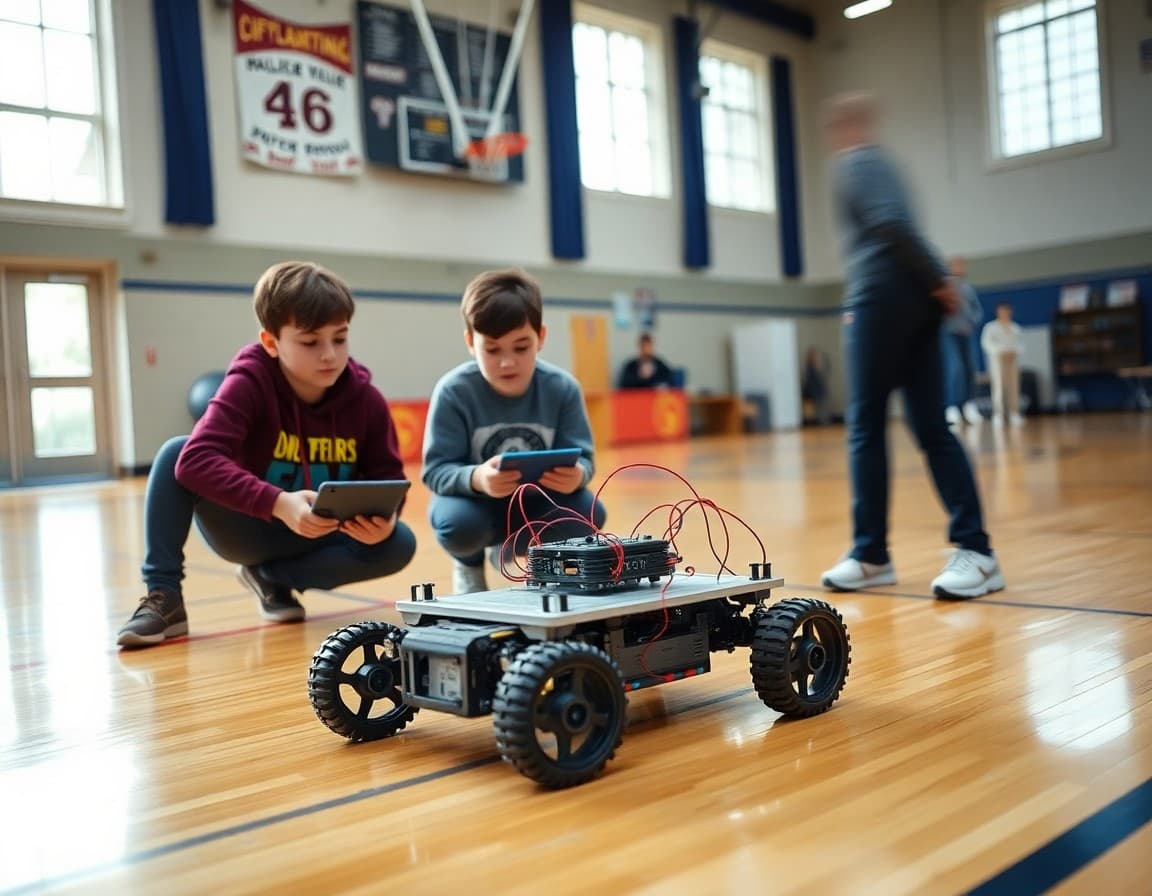
If this unit includes preparation for a robotics competition, the schedule, expectations, and what families can do to support that preparation deserve specific mention in the newsletter. Competitions typically require additional preparation sessions, often after school or on weekends. They may require teams to present their project to judges as well as demonstrate their robot's performance. The competition environment is exciting and often intense, and students who have practiced under some version of that pressure perform significantly better than those who only practiced in low-stakes classroom environments. Family attendance at competitions matters to students even when they say it does not.
What Comes After Robotics
Many students discover in a robotics unit that engineering is a genuine interest they did not know they had. For those students, the robotics unit is not just a middle school assignment. It is a formative experience that may shape their high school course choices, extracurricular involvement, and eventual career direction. Students who want to continue with robotics beyond the school unit should know that many community robotics teams, summer camps, and online resources are available to extend that interest. Share the specific programs and resources in your area in the newsletter so families with an interested student have somewhere to go.
Get one newsletter idea every week.
Free. For teachers. No spam.
Frequently asked questions
What is the goal of a middle school robotics unit?
The goal is to develop engineering design thinking, programming fundamentals, teamwork, and iterative problem-solving through building and programming a physical robot to complete specific tasks. Students experience the full design cycle: define the problem, design a solution, build it, test it, identify what failed, and redesign. This process is how engineers work and it is deeply engaging for students who prefer hands-on learning.
What robotics platform does the unit use?
Middle school robotics units commonly use platforms like LEGO Mindstorms or SPIKE Prime, VEX IQ, Arduino-based kits, or robotics platforms from programs like FIRST LEGO League. The specific platform determines the programming environment and the physical building system. The newsletter should name the platform and describe what it can do at an accessible level.
Do students compete in robotics competitions?
Some schools participate in competitions like FIRST LEGO League, VEX IQ, or other programs. Others keep robotics to in-class challenges. If the unit includes competition preparation, the newsletter should include competition dates, what the competition involves, whether families can attend, and any preparation schedule that affects after-school time.
How can families support a student who wants to pursue robotics further?
Many cities have robotics clubs, summer programs, and FIRST teams that accept middle schoolers. Online resources like YouTube tutorials for the specific platform students are using, robotics community forums, and library programs with robotics kits extend learning beyond the school unit. Some students discover in a robotics unit that engineering is a genuine interest worth pursuing further.
How does Daystage help teachers keep families informed about STEM units?
Daystage lets teachers send clear, organized newsletters with photos of student work, links to competition information, and schedule details for preparation activities. Families who receive regular Daystage updates during a robotics unit stay connected to what their student is experiencing.

Adi Ackerman
Author
Adi Ackerman is a former classroom teacher and curriculum writer with 8 years in K-8 schools. She writes about school communication, parent engagement, and what actually works in real classrooms.
More for Middle School
Ready to send your first newsletter?
3 newsletters free. No credit card. First one ready in under 5 minutes.
Get started free