

Podcast Creation Project Newsletter: Bringing Families Into the Studio
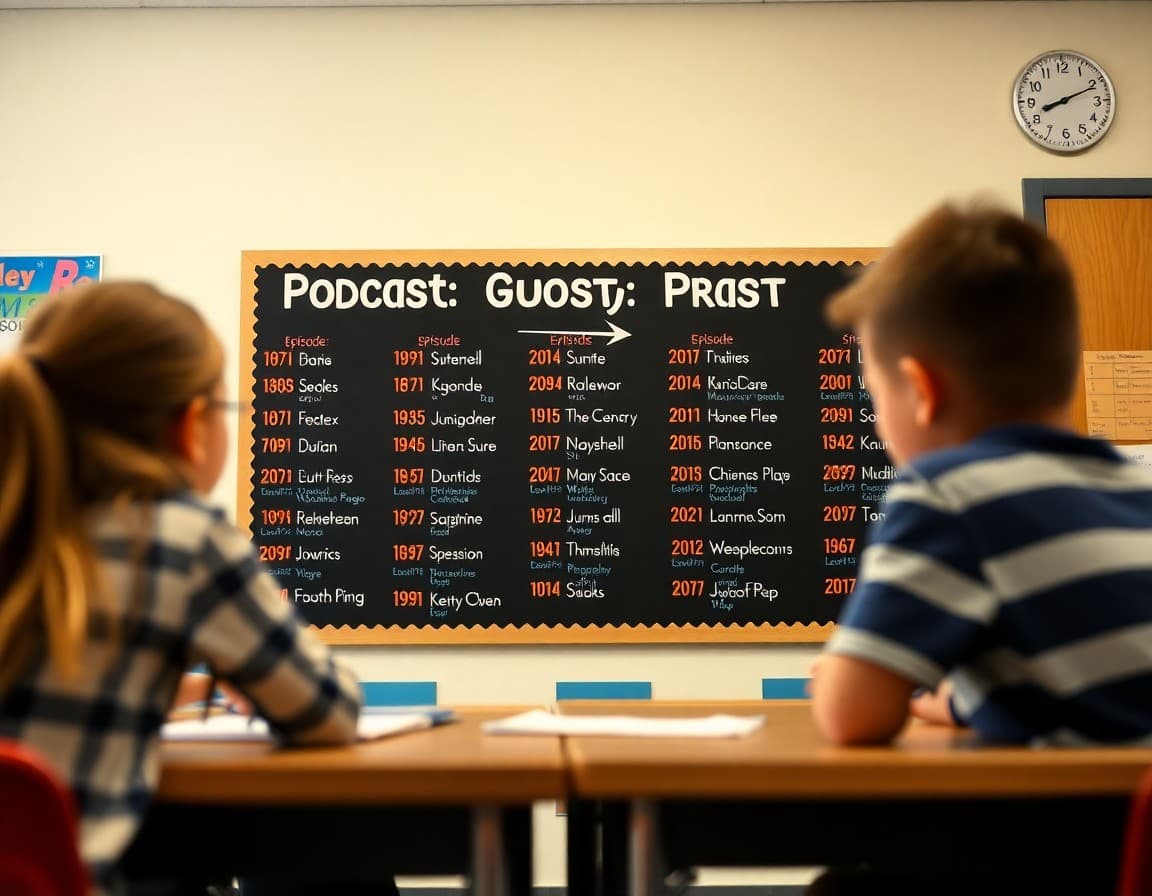
Podcast projects are one of the most engaging media assignments middle school teachers can run. Students who have never connected with traditional essay writing often find their voice when they have a microphone and an audience in mind. The assignment develops research skills, script writing, voice and delivery, and basic audio production, all while producing something students genuinely want to share. A newsletter that explains the project to families, tells them what to expect, and eventually connects them to the finished episodes turns the project into a real publication experience.
What the Project Involves
Students in this project will research a topic, write a script or detailed outline, practice delivery, record their episode, edit the audio, and prepare a title and episode description. Depending on the assignment structure, students may work individually or in pairs or small groups. The recording happens at school during class periods using classroom equipment. Editing is typically done at school as well, though some students will choose to do additional refinement at home. The finished product is a two to five minute audio episode that demonstrates both content knowledge and communication skills. Most students are surprised by how much work goes into even a short podcast episode, which is itself a valuable lesson about the professional media they consume.
The Skills Behind the Microphone
Podcast production is not just a fun project. It addresses a specific set of communication skills that matter beyond middle school. Students have to take a complex topic and explain it clearly enough that a listener who is not an expert can follow it. They have to speak at an appropriate pace, articulate clearly enough to be understood through audio without visual cues, and hold a listener's attention through voice quality and pacing alone. Students who prepare thoroughly for their recording generally produce significantly better episodes than those who do not, which teaches the connection between preparation and performance in a visceral way. The immediate feedback of listening back to a draft recording and hearing what worked and what did not is one of the most effective learning experiences in the unit.
At-Home Recording Support
Some students will choose to record supplementary segments at home, particularly interview sections where they are speaking with a family member or community expert. If your student needs to record at home, a quiet room with soft furnishings, such as a bedroom with curtains and carpet, produces better audio than a hard-surfaced kitchen or bathroom. The phone voice memo app works fine for supplementary recordings that will be edited together with school recordings later. Students should not use earbuds as a microphone because the audio quality is very low. A laptop or phone held at face level about eight inches from the mouth, or a built-in microphone, works better.
Listening to the Finished Episodes
Once episodes are complete, families will receive a private link to listen. This is not a public podcast. The link is shared only with class families and will not be indexed by podcast platforms or search engines. When you listen, engage with it the way you would engage with any creative work your child produced: comment on specific moments, ask them what part they enjoyed most, ask if anything surprised them about the recording process. Students who receive genuine audience engagement for their podcast are more motivated in the next project than students whose family did not have time to listen. The audience experience matters to the student, even if the family's response is just "I listened to the whole thing and I liked the part about..."
What Families Might Hear
Student podcast episodes range widely in polish. Some students produce surprisingly professional-sounding episodes after editing. Others have background noise, stumbles, or audio that cuts in and out. All of these are appropriate for a first podcast project. The expectation is not perfection but evidence of the skills the assignment targeted: clear communication of accurate content, appropriate script structure, and a presentable finished product the student is willing to share. If you listen and notice something that concerns you, such as content you feel is inappropriate or inaccurate information, contact the teacher directly rather than bringing it up with other families. The newsletter will include the teacher's contact information for exactly this purpose.
Get one newsletter idea every week.
Free. For teachers. No spam.
Frequently asked questions
What learning goals does a podcast creation project address?
Podcast projects develop research and script writing, public speaking and voice clarity, interview and listening skills, audio production basics, and digital publication awareness. When students produce an actual podcast episode, they own the content in a way that a traditional essay rarely achieves. Many students who struggle with written expression find their voice through audio formats.
What equipment is needed for a middle school podcast project?
Most school podcast projects use equipment the school already owns: a laptop with a built-in or external USB microphone and free audio editing software like GarageBand or Audacity. Some teachers use tablet-based recording apps. Professional-quality equipment is not necessary. Clear audio with minimal background noise is achievable with even basic equipment when students learn the fundamentals of mic placement and recording environment.
How should families support podcast homework?
Students working on podcast projects may need a quiet space at home for recording segments. They may also need help brainstorming their topic, thinking through their interview questions if they are interviewing someone, or listening back to a draft recording and giving feedback. The most valuable family support is expressing genuine interest in the topic and listening to the finished episode.
How do schools share student podcast episodes with families?
Most teachers share student podcasts through a private link, a class-only podcast feed, the school website behind a parent login, or a file download link. Sharing publicly without family consent is not appropriate for student work. Your newsletter should include the specific link or access method for your class's podcast so families can listen easily.
How can Daystage help teachers share podcast projects with families?
Daystage lets teachers send a newsletter with embedded audio links or button links directly to student podcast episodes, making it easy for families to find and listen. Including the project context and listening instructions in a Daystage newsletter gives the podcasts the audience they deserve.

Adi Ackerman
Author
Adi Ackerman is a former classroom teacher and curriculum writer with 8 years in K-8 schools. She writes about school communication, parent engagement, and what actually works in real classrooms.
More for Middle School
Ready to send your first newsletter?
3 newsletters free. No credit card. First one ready in under 5 minutes.
Get started free