
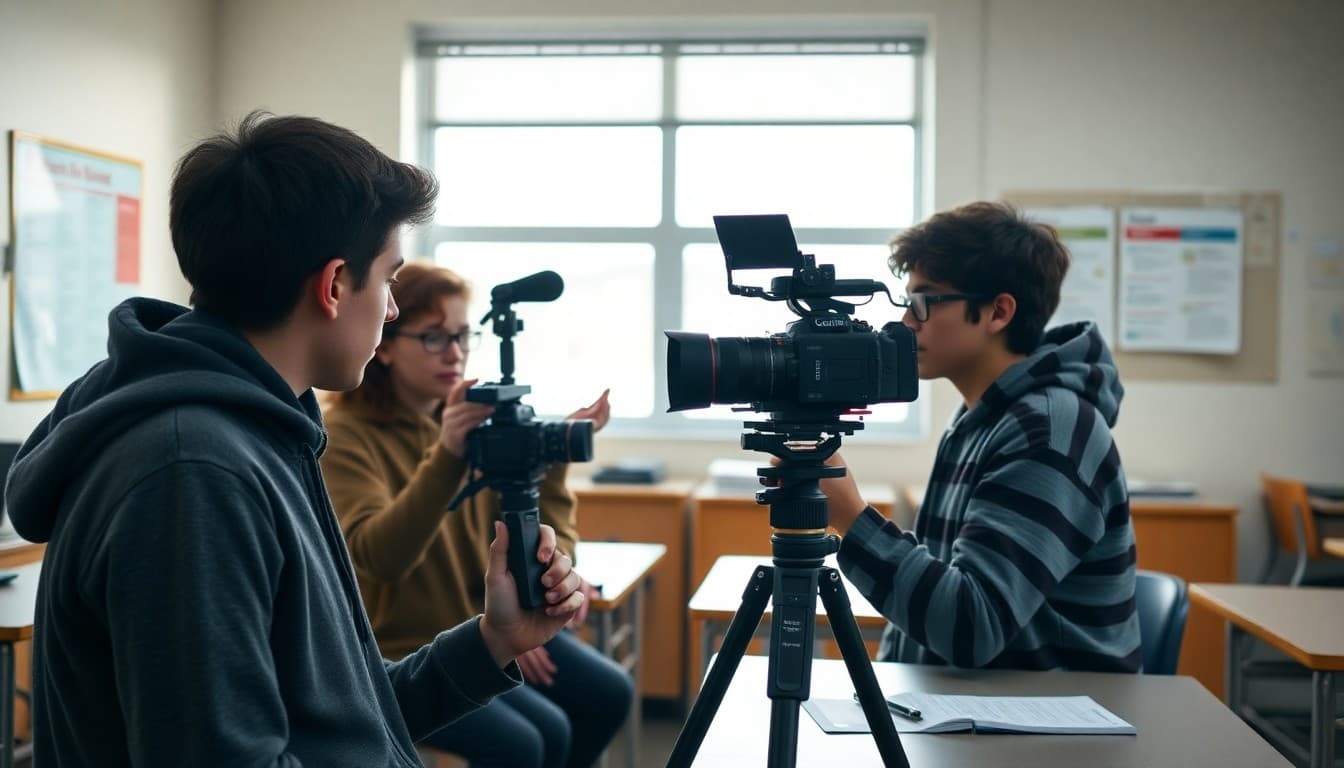
Teacher Newsletter for Video Production Class: What High School Families Need to Know
Why This Course Deserves Strong Parent Communication
Families who understand what their student is doing in video production class support the work more effectively. A newsletter that explains the academic substance and real-world relevance of the course transforms family perception from "that elective" to a serious course with concrete outcomes.
What Students Are Working On
Cover the current project phase, what students need to produce, what tools they are using, and what the assessment criteria look like. Parents who know what the work involves can ask better questions and provide more relevant support than those who only know their student has a project due.
The Skills Behind the Work
Every hands-on course in high school develops transferable skills that families may not see if they only look at the final product. Identify the specific competencies your course builds and connect them to college programs, career fields, and real-world contexts that resonate with high school families.
Equipment, Materials, and Policies
Practical information families need: what equipment students use, how it should be handled, what students need to bring or have access to at home, and what happens when equipment is damaged or lost. Policies communicated clearly in a newsletter create shared expectations rather than confusion when something goes wrong.
Showcase and Portfolio Opportunities
Many creative and technical courses offer opportunities for students to present their work publicly: showcases, exhibitions, competitions, or portfolio submissions. Communicate these opportunities in your newsletter with enough lead time for families to attend or for students to prepare their best work for submission.
Connecting This Course to Future Pathways
Help families see the direct line between the skills developed in your course and the college majors, career fields, and professional environments where those skills matter. Students who understand why their coursework is relevant engage more seriously, and parents who understand it support the work more enthusiastically.
Building Communication That Works for a Creative Course
Creative and technical courses have natural communication moments: project launches, milestone deadlines, and showcase events. Build your newsletter calendar around these moments and use a simple tool that makes sending quick enough that the communication habit survives your busiest production weeks.
Get one newsletter idea every week.
Free. For teachers. No spam.
Frequently asked questions
What should a video production class newsletter cover?
A video production newsletter should explain current projects, equipment policies and care requirements, editing lab access and hours, how projects are assessed, the real-world skills students are developing, and any showcase or screening events where family members can see student work.
What skills does high school video production develop?
Video production teaches storytelling, visual composition, audio engineering, script writing, project management, collaboration under deadline pressure, and technical software skills in professional editing platforms. These skills transfer directly to college programs in media, communications, marketing, and the growing creator economy.
How can parents support a student in video production class?
Parents can support video production students by providing transportation to filming locations when projects require off-campus work, asking their student to show them recent work and explain the production choices, and taking the course seriously as a rigorous technical and creative discipline that requires real effort and produces portfolio-worthy results.
What equipment do high school video production students use?
High school video production courses typically use school-owned cameras, lighting equipment, audio recorders, and editing computers running professional software like Adobe Premiere or Final Cut Pro. Equipment care policies matter because damaged gear affects the entire class. A newsletter that explains equipment responsibility sets the right expectations from the start of the course.
What tool helps high school teachers send newsletters about video production?
Daystage is built for school communication. High school teachers use it to create formatted newsletters about video production, then send them directly to parent and student email lists without extra design work or app management.

Adi Ackerman
Author
Adi Ackerman is a former classroom teacher and curriculum writer with 8 years in K-8 schools. She writes about school communication, parent engagement, and what actually works in real classrooms.
More for High School
High School Student Spotlight Newsletter: How to Feature Students Effectively
High School · 6 min read
Teacher Newsletter for Documentary Film Units: What High School Families Need to Know
High School · 6 min read
Teacher Newsletter for Film Club: What Students and Families Should Know
High School · 6 min read
Ready to send your first newsletter?
3 newsletters free. No credit card. First one ready in under 5 minutes.
Get started free