

School Newspaper Newsletter: Celebrating Student Journalism
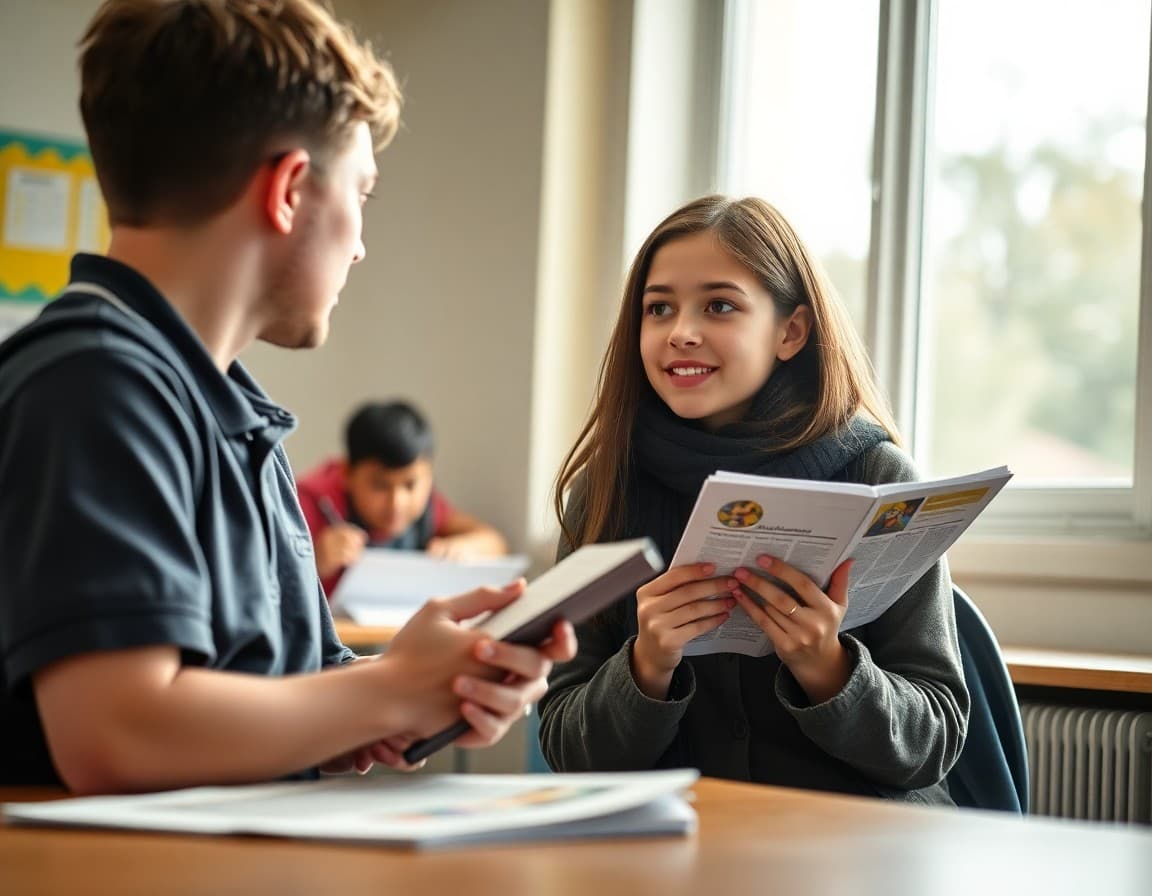
A student newspaper is one of the oldest and most meaningful journalism education programs in schools. When students report on real events for real readers, the stakes of accuracy, clarity, and fairness become concrete rather than abstract. A newsletter that celebrates a new publication cycle, shares where to read the newspaper, and invites families into the journalism program gives the student work an audience it deserves and the program the recognition that keeps it funded and staffed.
What the Student Newspaper Is
The school newspaper is a student-produced publication that covers news, features, opinions, and culture relevant to the school community. It is edited and written primarily by student journalists under the guidance of an advisor. Unlike the yearbook, the newspaper operates on a regular publication cycle throughout the year, which means students go through the full journalism production process repeatedly and develop skill through iteration. The publication is the final product, but the learning happens in the process: pitching stories, conducting interviews, verifying facts, writing to a word count, taking editorial direction, and meeting deadlines.
Editorial Independence and Student Voice
One of the most important features of a strong student newspaper is genuine editorial independence. A newspaper that only publishes stories that the administration approves of is public relations, not journalism. A strong student newspaper with a supportive advisor publishes student perspectives on issues that matter to the student body, including perspectives that might be critical of school policies or decisions. This requires an advisor who understands the educational value of student voice and an administration that respects the distinction between appropriate oversight and censorship. Families who see a student newspaper engaging with genuine school issues are seeing a program operating at its best.
How to Read the Current Issue
The newsletter should include the direct link to the current issue and explain the publication schedule so families know when to expect new issues. If the newspaper has a website, share it. If it is distributed as a PDF, include the link. If physical copies are available at school, mention where. Reading the newspaper gives students an authentic audience and is the simplest form of support families can provide. A student who knows their parent read their article and can discuss it specifically is more motivated than a student who submits work into a void. Include the newspaper link prominently in this newsletter so families can find and read it in one click.
How Students Can Join the Newspaper
Every newsletter about the student newspaper should include information about how interested students can join the program. Include the process for joining, whether that is signing up for a journalism elective, attending an interest meeting, or submitting a writing sample. Include any prerequisites or grade requirements. Many potential journalists do not try out because they do not know the process or are not sure they are good enough. A clear, welcoming invitation in the newsletter, especially for students who are good writers but have not considered journalism specifically, can significantly grow the program. The best student newspapers have diverse voices from across the school rather than only students who identified as writers from the beginning of middle school.
Get one newsletter idea every week.
Free. For teachers. No spam.
Frequently asked questions
What does a middle school newspaper program teach?
Journalism programs teach news writing structure and style, interview techniques, research and fact verification, editorial judgment, photo journalism basics, layout and design, meeting deadlines, and professional communication with sources. Students learn to write for a real audience rather than a teacher, which produces a fundamentally different relationship with writing than academic essays.
How does the school newspaper publication process work?
Typical newspaper production cycles run two to four weeks from pitch meeting to publication. Writers propose story ideas, get assignments, conduct interviews and research, write drafts, receive editorial feedback, revise, and submit final copy. The editor reviews for accuracy, clarity, and style. Layout students place content and photos. The advisor approves before publication. This process mirrors professional journalism and teaches every step.
What kinds of stories does a middle school newspaper cover?
Student newspapers cover school news like policy changes, new programs, and administrative decisions; student features profiling interesting classmates or staff; opinions and editorials on school or community issues; arts and entertainment reviews; sports recaps; and occasionally local news that affects the school community. The best student newspapers develop a genuine editorial voice rather than just reprinting school announcements.
How can families read the school newspaper?
Most middle school newspapers are published online as a PDF or on a website platform like Canva, Google Sites, or a dedicated journalism platform. Some schools still print physical copies. The newsletter should include the specific link or distribution method and publication schedule so families know where to find each new issue.
How does Daystage complement a school newspaper program?
Daystage is a newsletter platform used by teachers and administrators to communicate with families, while the student newspaper is a student journalism publication. They serve different audiences and purposes. Schools can use Daystage to announce new newspaper issues and link to them, amplifying student journalism to the broader family community.

Adi Ackerman
Author
Adi Ackerman is a former classroom teacher and curriculum writer with 8 years in K-8 schools. She writes about school communication, parent engagement, and what actually works in real classrooms.
More for Middle School
Ready to send your first newsletter?
3 newsletters free. No credit card. First one ready in under 5 minutes.
Get started free