
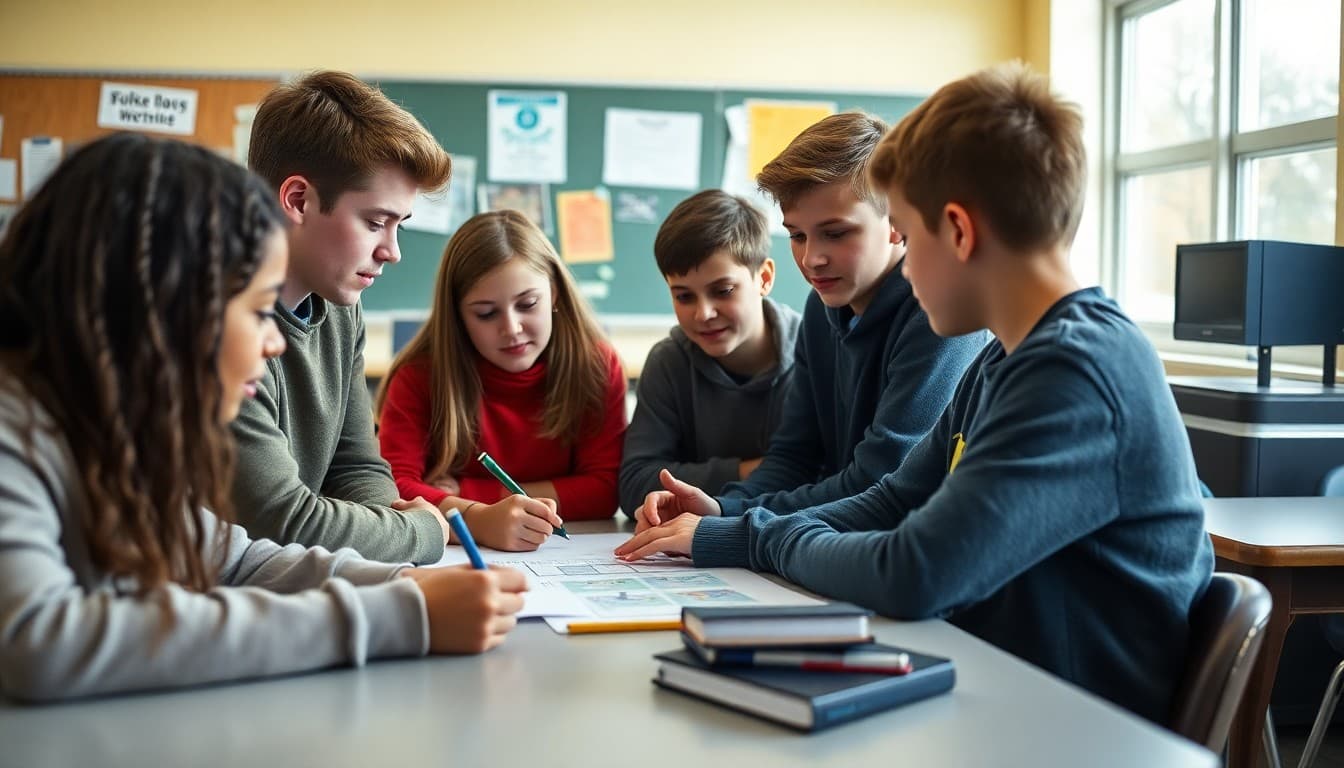
7th Grade Social Skills Newsletter: Relationship Building at School
Seventh grade social life is where the identity work of adolescence becomes visible. Students are figuring out who they are, who they want to be friends with, and what kind of person they want to be seen as. That process involves experimentation, mistakes, and real emotional pain. The social skills curriculum in your classroom directly addresses this territory. A newsletter that explains what you are doing and how families can support it gives parents a constructive role in a process they often feel locked out of.
Describe the Developmental Reality
Open your newsletter with an honest description of what social development in 7th grade actually looks like. Students at this age are more sensitive to peer evaluation than at any other developmental stage. They are experimenting with different social identities. They are capable of real empathy and real cruelty, sometimes in the same hour. Families who understand this context respond more thoughtfully to what their child brings home.
Name What Skills You Are Teaching
Be specific. This month your advisory curriculum covers conflict repair: how to apologize in a way that actually addresses the harm, not just the discomfort. Or this month you are working on feedback: how to tell someone their behavior affected you without making it about their character. When families know the skill by name, they can ask about it at home and reinforce it in real situations.
Give Parents a Coaching Script
Here is language families can use directly:
"When your child comes home upset about a social situation, try this before jumping to a solution: 'That sounds hard. What happened from your perspective?' Then: 'What do you think was going on for them?' Then: 'What do you want to happen next?' That sequence takes less than five minutes and produces a student who is thinking through the situation rather than ruminating in it. Save your advice for when they ask."
Normalize the Messiness
Many families contact teachers expecting a resolution to every social difficulty. Your newsletter can help reframe the expectation: the goal of 7th grade social development is not for students to have no conflicts. It is for students to navigate conflict better than they did in 6th grade. Students who never experience social difficulty have less practice with the skills they will need for the rest of their lives.
Explain Your Advisory Program
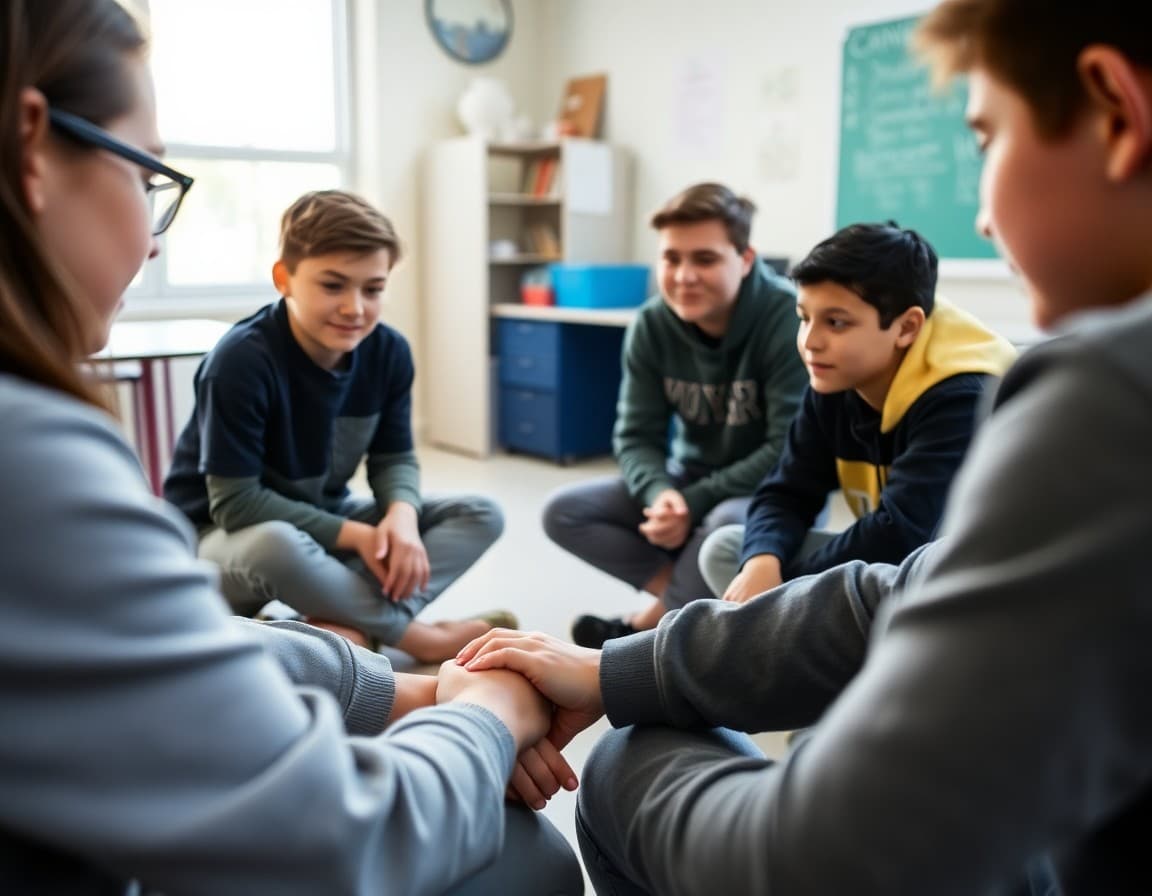
If your school has advisory or homeroom periods dedicated to social-emotional learning, describe what students actually do in those sessions. Families who know their child spends 25 minutes twice a week in structured community practice are more invested in those sessions than families who see advisory as wasted academic time. Connect the social curriculum to real outcomes students and families care about.
Talk About Social Media's Role
In 7th grade, most social conflicts have an online dimension. A falling-out that starts in the classroom continues in a group chat. An exclusion that happens at lunch is reinforced by a social media post. Your newsletter can acknowledge this reality without panicking families. The social skills students are learning in class, perspective-taking, repair, and clear communication, apply online as well as in person.
Celebrate Specific Moments of Growth
End your newsletter with a genuine story from the classroom. A moment when a student took the harder road and repaired a relationship. A conversation where a student showed real empathy. A class that stayed present and honest through a difficult discussion. These stories are not abstract. They are evidence that the skills are being built, and that is what families need to hear.
Invite an Ongoing Conversation
Social skills newsletters should invite families into a dialogue, not just deliver information. Close with a direct invitation: if you are seeing patterns at home that concern you, or if your child has shared something that made you want to talk to the school, please reach out. Daystage makes it easy to include a contact link right in the newsletter so that invitation does not get buried.
Get one newsletter idea every week.
Free. For teachers. No spam.
Frequently asked questions
What social skills are most important for 7th graders to develop?
Conflict repair, perspective-taking across different social groups, managing rejection without retaliation, giving and receiving feedback, and navigating peer pressure in real time are the most critical social skills of 7th grade. These are more complex than the basic turn-taking and sharing skills of earlier grades and require consistent practice in authentic situations.
How can parents support their 7th grader's social development without taking over?
Be a thought partner rather than a problem-solver. When a social situation comes up, ask questions before offering advice. 'What happened?' then 'What do you think was going on for the other person?' then 'What do you want to do?' That sequence builds the perspective-taking and self-direction skills 7th graders are developing.
What is the difference between normal 7th grade social drama and something the school should know about?
Normal social dynamics involve conflict that resolves within a few days, shifting friend groups, and the occasional hurt feelings from perceived exclusion. Something worth reporting to the school involves repeated targeting of one specific student, threats, humiliation that is public and intentional, or behavior that extends across multiple platforms and contexts over time.
How do I write a social skills newsletter that does not embarrass students?
Write about patterns, not individuals. 'We have been learning about how to give feedback that is specific rather than personal' covers the skill without anyone being singled out. Students in the class know what the context is. Families outside the situation do not need more specifics than the skill level.
What tool can I use to send social skills and advisory newsletters to 7th grade families?
Daystage is a good option because it supports longer-form newsletters with warmth and structure. You can include conversation starters, skill descriptions, and class highlights in one polished format that feels more like a letter than a memo.

Adi Ackerman
Author
Adi Ackerman is a former classroom teacher and curriculum writer with 8 years in K-8 schools. She writes about school communication, parent engagement, and what actually works in real classrooms.
More for Middle School
Ready to send your first newsletter?
3 newsletters free. No credit card. First one ready in under 5 minutes.
Get started free