7th Grade Classroom Community Newsletter: Building Belonging
Seventh grade social dynamics are genuinely harder than what students experienced in 6th grade. The identity work of early adolescence becomes more visible, more intentional, and more fraught. Students test where they belong, who likes them, and what kind of person they are becoming. What happens in your classroom, the norms you protect, the culture you cultivate, shapes how that process goes. Families who understand what you are doing and why tend to support it actively rather than inadvertently undermining it.
Open With the Reality of 7th Grade Social Life
Name it directly in the opening of your newsletter. Seventh grade is when students become more interested in peer opinion than adult approval. Social hierarchies form and harden. A student who felt confident in 6th grade may feel uncertain in 7th. That is not a sign that something is wrong. It is a predictable part of development, and your classroom is designed to navigate it intentionally.
Share What Community Looks Like in Your Room
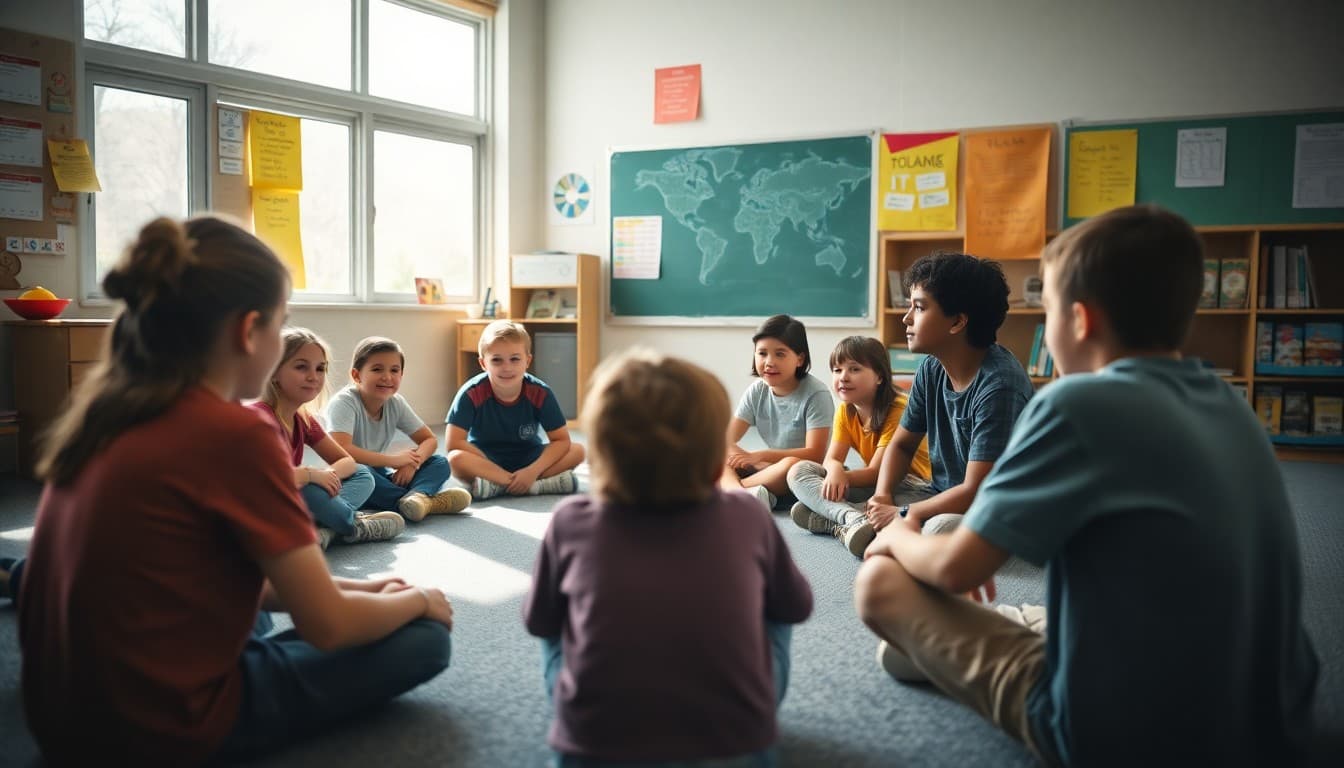
Tell families what specific structures and practices you use to build community. Advisory meetings, morning check-ins, collaborative protocols that require equal participation, restorative conversation circles, or structured community-building activities. When families can picture what their child's school day actually looks like, they feel more connected to the experience.
Describe Your Class Norms or Agreements
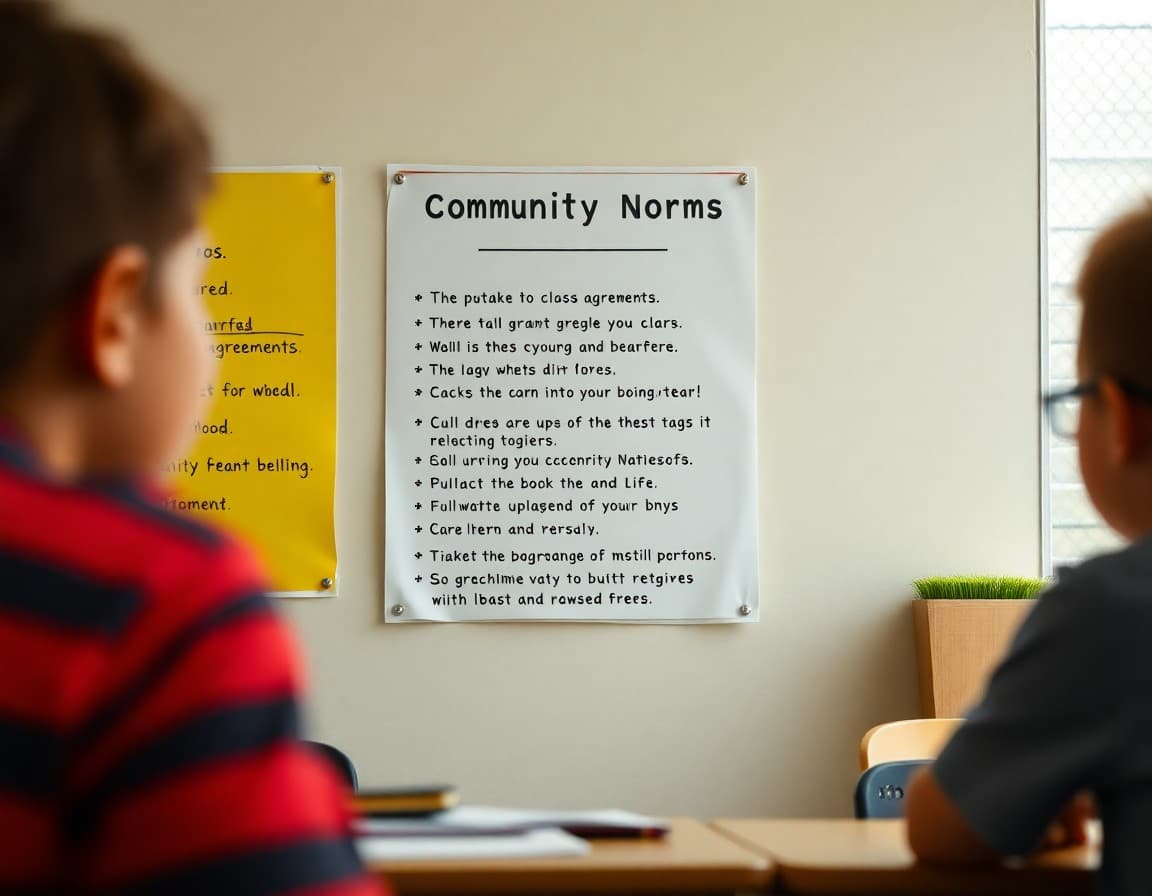
If your class developed agreements together, share them. Something like:
"Our class agreements this year: We listen to understand, not just to respond. We speak up for ourselves and make space for others. We assume good intent and ask before we conclude. We own our mistakes and repair them."
Families who know these agreements can reference them in conversations with their child. That shared language makes home-school alignment real rather than theoretical.
Acknowledge What Has Been Hard
If there have been community challenges, your newsletter can address them in general terms. "We have been working through some tensions around group work this month, specifically around making sure everyone feels heard during discussions. We are making progress." Acknowledging difficulty honestly builds parent trust more than pretending everything is fine.
Give Families Specific Conversation Starters
"How was school" does not produce useful answers in 7th grade. Give parents three specific questions from your community curriculum: "What is one thing you did this week that took courage?" "Is there anyone in your class you think gets left out? What could you do about it?" "When was a moment this week when you made space for someone else?" Those questions are connected to what students are learning and generate real conversation.
Celebrate Specific Community Wins
Name real moments where the class demonstrated the community you are building together. Not names of individual students, but moments: a class that spent 15 minutes at the end of a hard day talking through a conflict instead of avoiding it. A group that made sure every voice was included in a project. A student who stood up to say something kind about someone who was being excluded. These stories matter.
Connect Community to Academic Performance
Research is clear that students learn better in classrooms where they feel safe and connected. Your newsletter can make this connection explicit: the time spent building community is not taken away from academic learning. It is what makes academic learning happen. Students who feel they belong in a classroom participate more, ask more questions, and take more intellectual risks.
Invite Families to Strengthen the Connection
Close with one practical invitation. Could a family member come in to share how their profession connects to a community theme? Is there a family tradition the class could learn about for an upcoming cultural project? Small invitations keep families engaged with the community you are building rather than feeling like external observers.
Get one newsletter idea every week.
Free. For teachers. No spam.
Frequently asked questions
Why does 7th grade classroom community need explicit attention?
Seventh grade is socially complex in ways that 6th grade is not. Students are more self-conscious, more likely to test social hierarchies, and more influenced by peer opinion than by adult opinion. Classroom community work at this age is not soft content. It is the foundation that makes academic risk-taking possible. Students do not participate or ask questions in classes where they feel unsafe socially.
How can a newsletter reinforce classroom community values at home?
Share the specific values or norms your class has established and give families language around them. When a parent hears their child describe a classroom situation using the vocabulary from class, they can engage with it specifically. Community-focused newsletters give families conversation anchors they would not otherwise have.
What are common 7th grade community challenges worth addressing in a newsletter?
Exclusion during group work, clique dynamics at lunch and during transitions, identity-based teasing, and the way peer status affects who speaks up in class are common 7th grade patterns. Naming these patterns in a newsletter, at the class level rather than the individual level, signals that the school is aware and working on them.
How do I write about community challenges without violating student privacy?
Keep all descriptions at the pattern level. "We have been working on making sure all students feel invited into group discussions" communicates the reality without identifying anyone. Families recognize the pattern in their own child's experience without needing to know the specifics of another student's behavior.
What platform works well for community-focused middle school newsletters?
Daystage is a good fit because you can write a warm, story-driven newsletter with photos of class activities, student quotes with permission, and practical home connection tips. The format supports the kind of relational tone that community newsletters need.

Adi Ackerman
Author
Adi Ackerman is a former classroom teacher and curriculum writer with 8 years in K-8 schools. She writes about school communication, parent engagement, and what actually works in real classrooms.
More for Middle School
7th Grade Social Skills Newsletter: Relationship Building at School
Middle School · 6 min read
6th Grade Classroom Community Newsletter: Building Belonging
Middle School · 6 min read
8th Grade Behavior Newsletter to Parents: Communicating with Families of 8th Graders Honestly and Constructively
Middle School · 7 min read
Ready to send your first newsletter?
3 newsletters free. No credit card. First one ready in under 5 minutes.
Get started free