
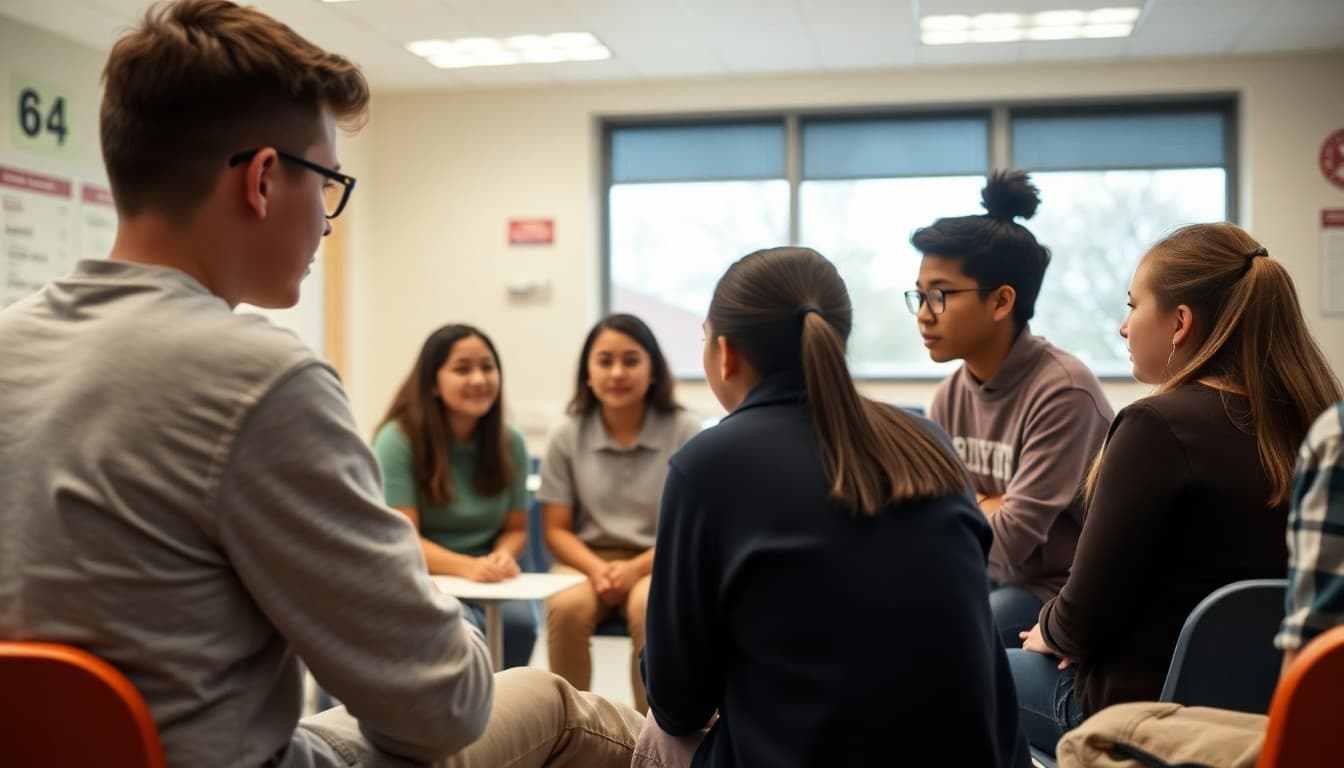
8th Grade Social Skills Newsletter: Relationship Building at School
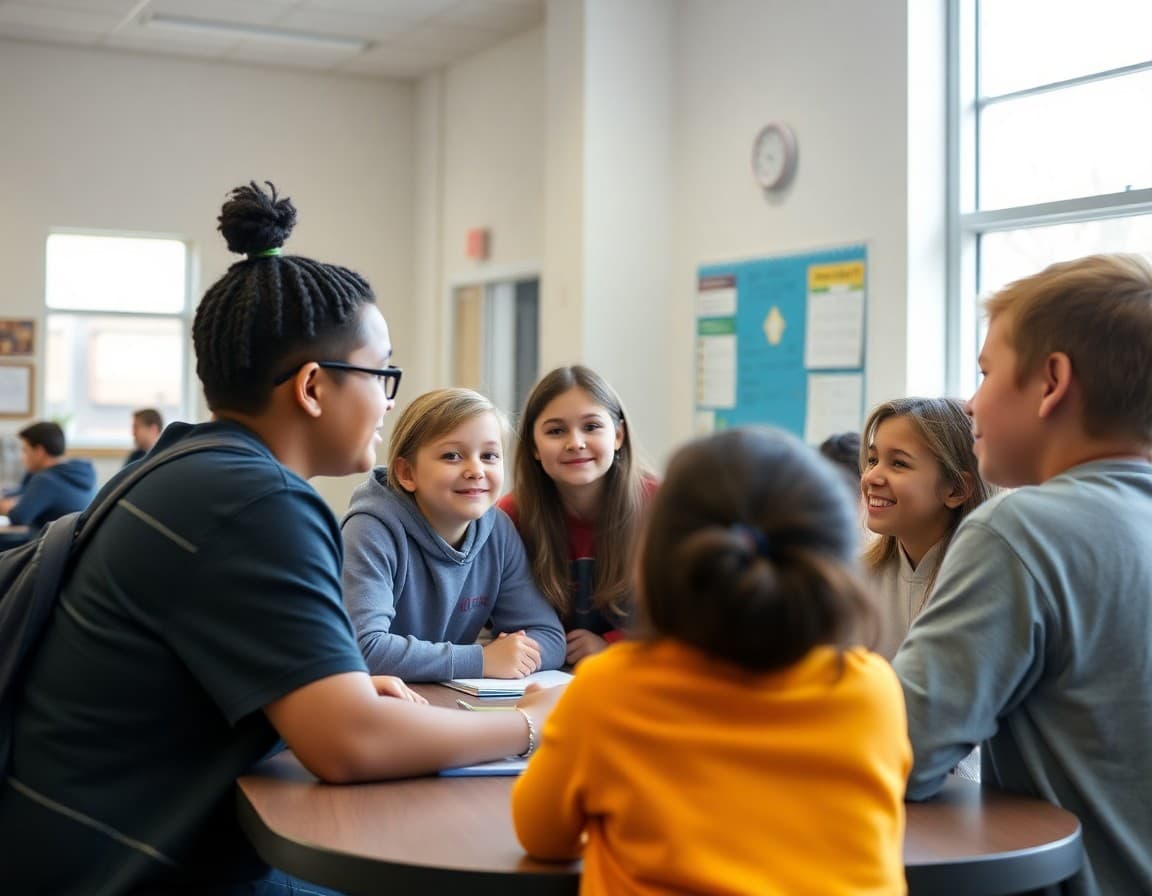
Eighth grade social development is shaped by a single underlying reality: everything is about to change. The social environment students have navigated for three years is closing. High school, with its larger population, new peer groups, and different social rules, is three months to a year away. How students handle the final middle school year, socially, is a preview of how they will handle the high school transition. A newsletter that helps families understand this and respond well is one of the most useful communications of the year.
Acknowledge the Transition Context
Open your newsletter by naming what is happening beneath the surface of 8th grade social life. The end of middle school produces a complicated mix: nostalgia, social competition for final impressions, excitement about what is next, and real anxiety about starting over. Students who have felt socially marginal may feel hope. Students who have felt socially secure may feel threatened. Both of those responses show up in classroom behavior and peer interactions every day.
Name What Skills You Are Teaching
Be specific about the social-emotional curriculum your advisory or homeroom covers. This month you may be working on professional communication, how to send an email to a teacher asking for help. Or self-advocacy, how to speak up in a group when you disagree without damaging the relationship. Or conflict de-escalation, how to step back from a heated situation before it becomes something bigger. Names the skill. Families can reinforce it.
Prepare Families for High School Social Readiness
Give families specific things to practice at home before high school. Introduce yourself to someone new this summer. Email a question to a teacher using professional language. Speak up in one group setting this month where you would normally stay quiet. Ask for something you need rather than waiting for someone to offer it. These specific, repeatable micro-skills are what determine whether a student feels capable or overwhelmed in a new school.
A Coaching Script for Conflict Situations
Here is language to include for parents:
"When your 8th grader reports a social conflict, try this sequence: First, listen without judgment for three full minutes. Then ask: 'What have you already tried?' Then: 'What do you think your options are?' Then: 'What would you want me to do, if anything?' By 8th grade, students need to practice navigating conflict with support rather than having adults navigate it for them. Reserve direct escalation to the school for situations involving threats, harassment, or repeated targeting that the student has already tried to address."
Talk About Social Identity and High School
Many 8th graders have a fixed sense of who they are socially: the athlete, the artist, the smart kid, the quiet one. High school is often where those identities get tested against a larger population. Your newsletter can help families encourage their child to hold their social identity lightly as they transition. The student who built their entire identity around being the top athlete in a small middle school may discover there are fifty equally talented athletes in their high school freshman class. That reorientation is healthy, but it is easier to navigate with preparation.
Address Senior-Year Social Drama
The final year of middle school often produces an uptick in social conflict as students jostle for status in a closing social order. Relationships that have been stable for two years can fracture. Old grievances surface. Your newsletter can acknowledge this pattern at the class level without identifying anyone: "We have been doing explicit work this month on managing conflict without escalating it." Families who recognize the pattern in their own child's experience are less alarmed and more prepared to coach.
Celebrate Social Growth
Name specific moments of genuine social development you have seen in your classroom this year. A student who handled a difficult conversation with real maturity. A class that came back together after a rough week. A group that made sure every person felt included in a project. These stories matter to families and students alike, and they remind everyone that the skills being built are real and observable.
Close With Forward-Looking Encouragement
End by connecting the social skills of 8th grade to the person each student is becoming. The ability to navigate complexity, repair relationships, advocate for yourself, and build new connections are the skills that determine how well any environment goes. Students who leave middle school with those skills are genuinely prepared for what is next. Daystage makes it easy to close your newsletter on a note that is personal, warm, and forward-looking without being generic.
Get one newsletter idea every week.
Free. For teachers. No spam.
Frequently asked questions
What social skills should 8th graders focus on in their final year of middle school?
Self-advocacy, professional communication, conflict de-escalation, leadership in group settings, and the ability to build relationships with unfamiliar peers are the most relevant 8th grade social skills. These are the exact skills students will need in the larger, more anonymous environment of high school.
How does the high school transition affect 8th grade social dynamics?
The impending transition loosens some middle school social patterns and tightens others. Some students become more open as they realize their current social group is about to change. Others entrench further in familiar relationships because change feels threatening. Both responses are normal. Your newsletter can help families understand which they are seeing and how to respond.
How can families help their 8th grader build high school social readiness?
Encourage students to practice introducing themselves to new people in low-stakes settings: a new activity, a family gathering, a summer program. Self-advocacy practice also matters: help your child learn to email a teacher to ask a question, speak up in a group, and ask for help without embarrassment. These micro-skills make high school significantly easier.
What is the right way for parents to respond when their 8th grader reports a significant conflict?
By 8th grade, parents should resist the impulse to contact other families or escalate to the school unless the conflict involves threats, harassment, or repeated targeting. Help your child think through their own options first. Reserve direct school contact for situations where the student has already tried to address the problem and it has not resolved.
What tool helps teachers send advisory and social development newsletters to 8th grade families?
Daystage supports warm, detailed newsletters that combine class updates with practical family guides. It works well for social skills newsletters because you can write with a personal voice and include specific stories and conversation starters that feel like a letter, not a form.

Adi Ackerman
Author
Adi Ackerman is a former classroom teacher and curriculum writer with 8 years in K-8 schools. She writes about school communication, parent engagement, and what actually works in real classrooms.
More for Middle School
Ready to send your first newsletter?
3 newsletters free. No credit card. First one ready in under 5 minutes.
Get started free