
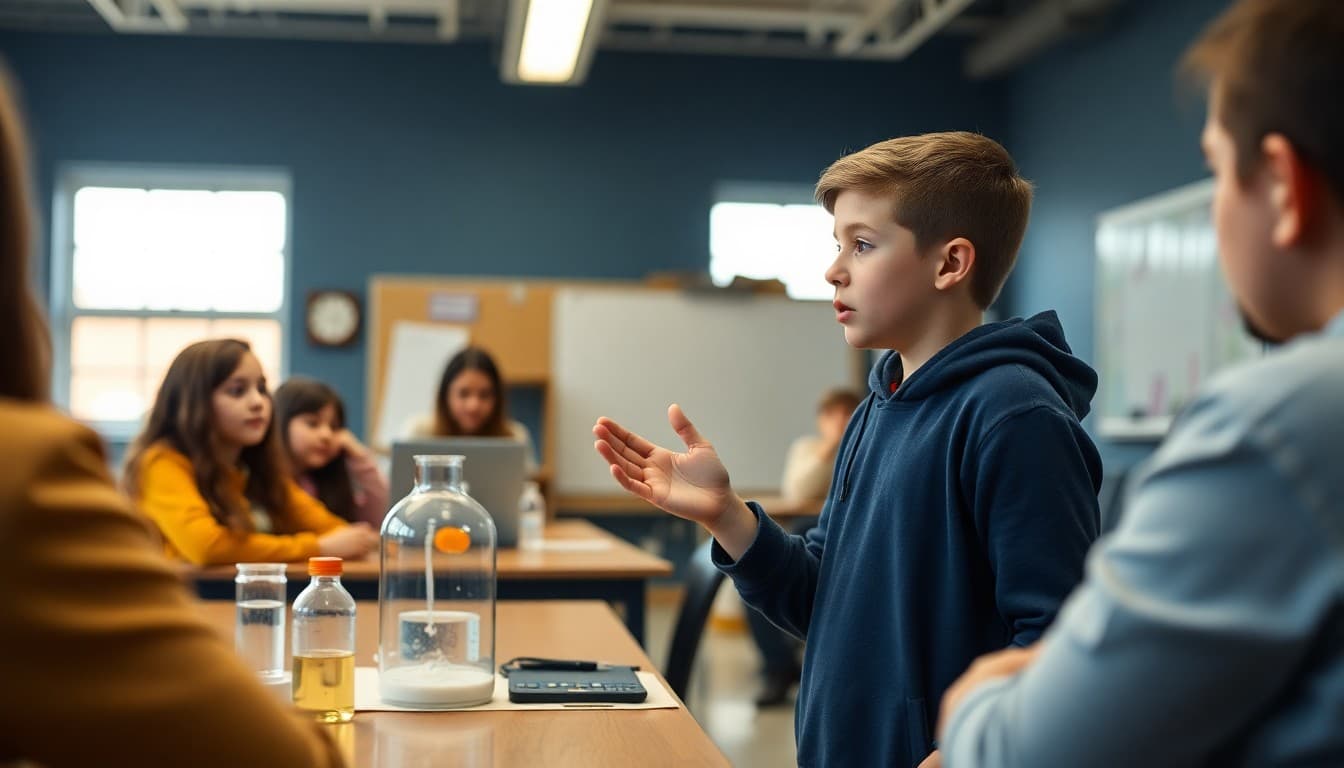
7th Grade Science Fair Newsletter for Families
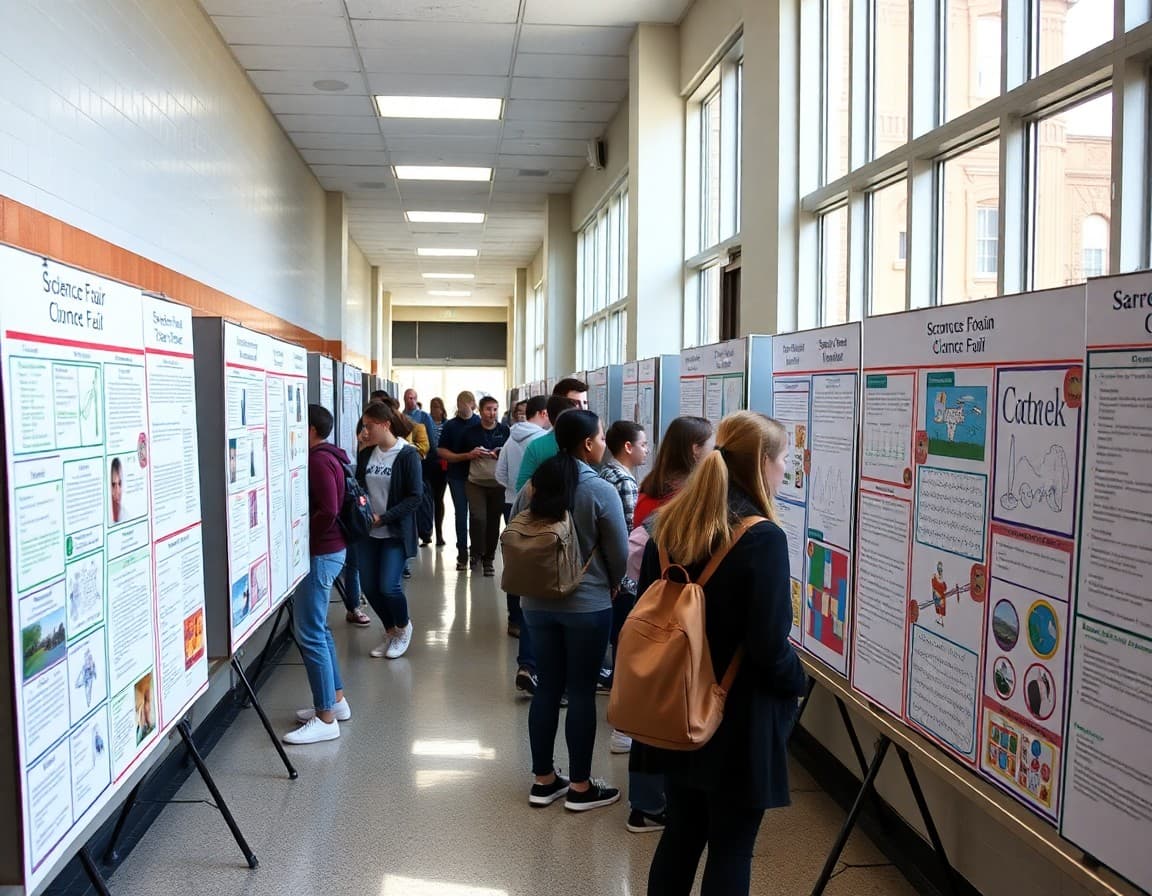
The 7th grade science fair raises the bar from 6th grade in real ways. Students are expected to understand variables, design controlled experiments, and explain their results in scientific terms. Families who know what that shift looks like can support their child without accidentally steering them back toward a less rigorous project style.
Lead With the Timeline
Put every major deadline in the first section of your newsletter. Topic approval, proposal submission, experiment completion, data analysis, board preparation, and judging day should all have specific dates. For a fair in April, most of these milestones should fall in February and March. A family who has all the dates at the start of the project is far less likely to produce a panic-assembled board the night before the fair.
Explain the Expectations for 7th Grade
Let families know what is expected at this level that may not have been required in 6th grade. A written research component that cites sources. Multiple trials documented in a lab notebook. Error analysis explaining why results may vary. A clear discussion section that connects data to the original hypothesis. These expectations are worth spelling out explicitly rather than assuming families know.
Define the Judging Criteria
If you have a rubric, share it or summarize it. Most fairs score on scientific process, knowledge of the topic, student defense of the project during judging, and presentation quality. Tell families which category carries the most weight. A student who knows their experiment can often earn more points from a strong interview than from a visually impressive board.
A Sample Parent Support Guide
This section works well in your newsletter:
"Helpful support from home looks like: asking your child to explain their experiment to you in plain language, driving them to collect materials, helping set up the board on the night before the fair. What crosses the line: suggesting the hypothesis, analyzing the data for them, writing any section of the written report. Judges at this fair will ask follow-up questions. Students who cannot explain their own project are at an immediate disadvantage."
Address the Safety Review Process
By 7th grade, some students are drawn to experiments involving heat, chemicals, or electrical components. Your newsletter should cover your school's safety review requirements for potentially hazardous projects, what requires pre-approval, and what is not permitted regardless of interest. Families who know these limits early can help their child choose a topic that is both engaging and feasible.
Encourage Topic Choice in Genuine Interest Areas
The best 7th grade science fair projects come from students who are actually curious about the question. Your newsletter can invite families to have a conversation with their child about what they genuinely wonder about. Does water temperature affect how quickly sugar dissolves? Does music tempo affect running speed? Does phone use before bed change how quickly students fall asleep? Curiosity-driven projects produce better research and better presentations.
Cover Judging Day Logistics
Families who want to attend need to know the visiting schedule. Tell them when judging ends, when families are invited to view projects, how long students need to be present, and whether there is an awards ceremony. Siblings, grandparents, and family friends often want to attend. Clear logistics reduce the day-of chaos.
Close With What This Experience Builds
End by connecting the science fair to bigger skills. Research design, data analysis, public speaking, and the ability to defend an argument with evidence are all skills that extend well beyond science class. Families who see the long-term value of the experience will support the project with more patience and investment. Daystage makes it easy to include a motivating closing section that ties the assignment to your classroom's broader goals.
Get one newsletter idea every week.
Free. For teachers. No spam.
Frequently asked questions
How is 7th grade science fair different from 6th grade?
By 7th grade, students are expected to design more complex experiments, run more data trials, and write analysis that goes beyond observation. The hypothesis should show understanding of underlying scientific concepts, not just a guess. Judges at this level expect students to explain variables, control conditions, and discuss sources of error in their own words.
What should a 7th grade science fair newsletter communicate to parents?
Cover the timeline with specific deadlines, the judging criteria and how points are weighted, what materials the school provides versus what students supply, and the difference between appropriate parent support and doing the work. A brief note about how the fair connects to the year's science curriculum gives families useful context.
How can parents help with a 7th grade science fair project without taking over?
Good parent support looks like driving to the hardware store, asking questions about the hypothesis, helping proofread the written report, and helping set up the display board. Taking over looks like writing the analysis, running the experiment when the student is stuck, or picking a topic because it sounds impressive. The line is whether the student can explain every part of their project.
What do science fair judges look for in 7th grade projects?
Judges prioritize student understanding over visual appeal. They want students to explain the scientific method they followed, describe what happened during the experiment, and interpret their data. A simple experiment that the student understands deeply scores higher than a complex project the student cannot explain.
What tool makes science fair parent communication easier?
Daystage lets you send a science fair newsletter with the timeline, judging rubric, and volunteer sign-up links all in one place. Families can revisit the page throughout the project instead of searching for old emails.

Adi Ackerman
Author
Adi Ackerman is a former classroom teacher and curriculum writer with 8 years in K-8 schools. She writes about school communication, parent engagement, and what actually works in real classrooms.
More for Middle School
Ready to send your first newsletter?
3 newsletters free. No credit card. First one ready in under 5 minutes.
Get started free