

6th Grade Science Fair Newsletter for Families
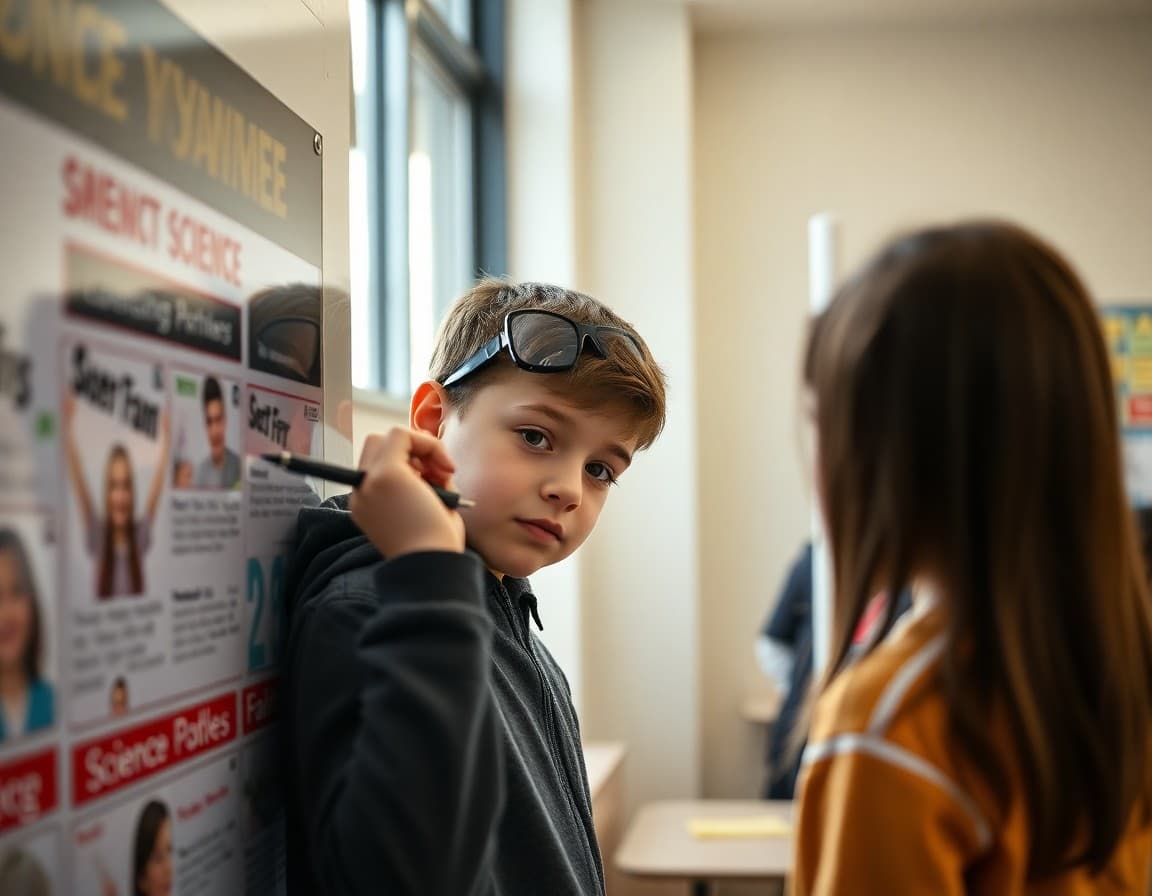
Science fair season in 6th grade is one of those times when parent communication can make or break the experience. Students are doing real independent work for the first time, and families want to help without overstepping. A clear, well-timed newsletter bridges that gap and reduces the flood of individual questions in your inbox.
Start With the Timeline
Every science fair newsletter should lead with dates. List each milestone in plain terms: when topics are due, when proposals need approval, when data collection wraps up, and when the display board is submitted. A simple table works better than a paragraph here. Families can pin it on the fridge and reference it without re-reading the whole newsletter.
Explain What the Project Actually Requires
Many parents went to school before inquiry-based science was the norm. They may picture a volcano or a poster with copied text. Clarify that your 6th graders are expected to run a real experiment, collect original data, and draw their own conclusions. Spell out the difference between a demonstration and an experiment so you only have to correct it once.
Set Clear Boundaries for Parent Help
This is the section families actually need. Tell them what is fine: driving to the store for materials, asking their kid to explain the hypothesis, proofreading the board for spelling errors. Then tell them what crosses the line: choosing the topic, running the experiment, or writing the analysis. Judges can tell when an adult wrote the conclusion, and it puts the student in an awkward spot.
A Sample Project Update Section
Here is how the project update section of a science fair newsletter might read:
"This week students finalized their research questions and submitted their proposals for approval. Next week they begin the experiment phase. Each student should run at least three trials and record data in their lab notebook. If your child is struggling to find materials, please reach out before Friday so we can help source alternatives."
Short, specific, and actionable. That format works for every project phase.
Cover Judging Day Logistics
Parents want to know when they can attend, where to park, and whether siblings are welcome. Add a short logistics block: doors open time, where student boards will be displayed, and when families can view projects after judging. If you need volunteers to help with setup or crowd flow, this is the right place to include a sign-up link.
Address Common Student Struggles Early
Sixth graders routinely hit three walls: they wait too long to start, they do not collect enough data points to see a pattern, and they struggle to write a conclusion that actually connects back to their hypothesis. Flag these pitfalls in the newsletter so parents can watch for them at home. A parent who knows to ask "How many trials did you run?" catches problems before they become last-minute panic.
Include a Short FAQ
Pull the five questions you know you will get asked repeatedly and answer them in the newsletter. What happens if a student is sick on judging day? Can projects use living organisms? Is there a word count requirement for the written report? Answering these upfront saves you from writing the same email a dozen times over.
Keep Subsequent Updates Short
Your first newsletter can be detailed. Follow-up messages should be brief: one paragraph with the current milestone, one reminder of the next deadline, and any logistics updates. Families read short updates. They skim long ones. Daystage makes it easy to send quick project updates as separate emails linked back to the full info page, so parents who need more context can find it without cluttering your main message.
Get one newsletter idea every week.
Free. For teachers. No spam.
Frequently asked questions
When should I send the science fair newsletter to 6th grade families?
Send the first newsletter four to six weeks before the fair so families have time to plan. Follow up with a reminder two weeks out covering project requirements, and send a final note three days before the fair with judging day logistics. Three touchpoints is usually enough to keep everyone informed without overwhelming inboxes.
What information should a 6th grade science fair newsletter include?
Cover the key deadlines first: topic selection, proposal approval, data collection, and board submission. Add the judging schedule, any materials the school provides, and what parents should or should not do to help. A short FAQ section at the bottom tends to cut down on repeat questions from families.
How can I explain the scientific method to parents in plain language?
Keep it to five steps: question, hypothesis, experiment, data, conclusion. Use one concrete example your class is already familiar with, like testing which brand of paper towel absorbs the most water. Parents who understand the process can coach their kids without taking over the project.
What common mistakes should 6th graders avoid on science fair projects?
The most frequent issues are picking a topic too late, not running enough trials for reliable data, and copying conclusions from the internet instead of writing their own. Remind students in the newsletter that judges ask follow-up questions and expect students to explain every part of their board in their own words.
Is there a tool that makes sending science fair newsletters easier?
Daystage lets you build a science fair newsletter with sections for deadlines, judging day info, and a volunteer sign-up all in one place. You can send it by email, share a public link, or post it to your class page so families can find it any time.

Adi Ackerman
Author
Adi Ackerman is a former classroom teacher and curriculum writer with 8 years in K-8 schools. She writes about school communication, parent engagement, and what actually works in real classrooms.
More for Middle School
Ready to send your first newsletter?
3 newsletters free. No credit card. First one ready in under 5 minutes.
Get started free