
Middle School Dance Newsletter: How to Communicate Logistics, Dress Code, and Conduct Expectations to Families

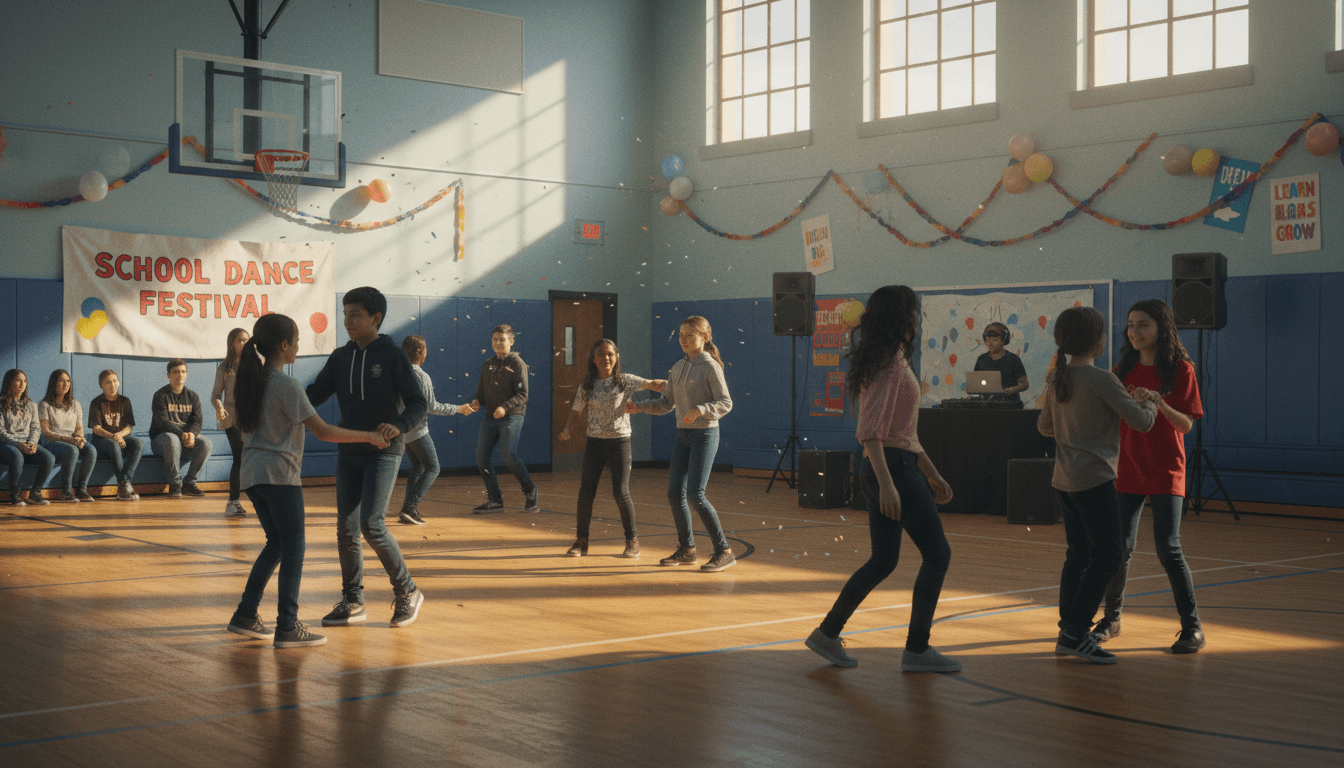
Middle school dances are among the most anticipated events of the school year. They are also among the most logistically complex to communicate. Families need to know when and where the event is, what students should wear, what is expected of students while they are there, how pickup works, and who is supervising. A newsletter that covers all of this clearly and early prevents most of the confusion and concern that otherwise shows up on the day of the event.
The tone of the dance newsletter matters too. This is a celebration and a social event. The communication should reflect that while still being specific about expectations. A newsletter that leads with excitement and follows with clear expectations lands better than one that reads like a rules memo.
Event Logistics Families Need First
Lead with the practical details. Date, day of week, start time, end time, and location. If the dance is in the school gymnasium, say so. If it is in a community space or a rented venue, include the address. Note what the event is for: a fall social, a winter formal, an end-of-year celebration. A brief sentence on the theme or format helps families understand what kind of event they are supporting.
Include ticket or registration information. Are tickets purchased in advance only, or can students pay at the door? Is there a cost? Is the dance open to all students in the grade or only to students in good standing? If attendance eligibility is tied to academic performance or behavior, state the criteria. These details prevent families from learning about eligibility requirements for the first time at the door.
Dress Code: Be Specific and Positive
Dress code is the topic families most want to understand clearly before a dance. Be specific about what appropriate attire looks like before listing what is not permitted. "Students are encouraged to dress up in a way that is comfortable and appropriate for a school social event. Dress clothes, semi-formal attire, and nice casual clothing are all welcome" sets a positive tone. Follow with the specific restrictions: no midriff-baring tops, shorts and skirts no shorter than mid-thigh, no transparent clothing, heels are permitted up to a specified height.
Include a brief note about what students should not wear, phrased matter-of-factly. Staff at the door will be checking attire and may ask students to call home for a change of clothing if an outfit does not meet the dress code. State this consequence plainly so families and students know what to expect. The student who shows up in an outfit that does not meet the dress code is the one most embarrassed by the situation. Clear advance communication helps everyone avoid it.
Entry, Check-In, and Building Security
Describe the entry process. Where do students enter the building? Do they need a ticket at the door or is attendance tracked another way? What time does check-in open and what time does entry close? Note that once the event is underway, the building is secured for student safety and students who leave early will not be permitted to re-enter.
Let families know what students need to bring and what they should leave at home. A small amount of cash for concessions is often appropriate. Large bags, food from outside, and personal entertainment devices typically are not. State this specifically to prevent the conversation at the door about whether an item should be permitted.
Behavior and Conduct Expectations
Middle school dances require clear conduct expectations because the social dynamics of this age group can escalate quickly in unsupervised or loosely supervised settings. State the expectations directly without being condescending. Students are expected to treat staff and classmates with respect. Students who engage in fighting, use profane or threatening language, or behave in a way that creates an unsafe environment for others will be removed from the event and parents will be contacted.
Address dancing expectations specifically. Students who have attended middle school dances before know that some dancing styles are not appropriate for a school event. Stating the expectation in advance, in the newsletter that goes home to families, gives both students and parents the same information before the event rather than relying on in-the-moment redirections. Staff will redirect students whose behavior does not meet expectations, and students who continue after redirection will be asked to leave.
Supervision and Staffing
Families feel better about dropping their student at an event when they know adults are present and the event is well organized. Include a brief description of supervision arrangements. The event will be supervised by school staff and parent volunteers. The gymnasium and all other open areas of the building will be staffed throughout the event. Students will not have access to unsupervised areas of the building.
If you are looking for chaperone volunteers, the dance newsletter is a good place to include that ask. A brief note about what chaperoning involves, how many volunteers are needed, and how to sign up gives families a way to be involved that many appreciate.
Pickup Procedures and End-of-Event Logistics
Specify where pickup happens and when. If the dance ends at 8:00 p.m., let families know that students will be dismissed to the front entrance beginning at 8:00 and that pickup is expected no later than 8:15. If students are not picked up within a specified window, note the procedure for what happens next. If students plan to be picked up by someone other than a parent or guardian, state whether there is a process for noting that in advance.
Let families know that you will contact them if any significant behavior concern arises during the event. This assurance matters more to families than most schools realize. Parents who trust that the school will communicate if something goes wrong are significantly more comfortable with their student attending unsupervised social events.
Sending the Newsletter at the Right Time
Send the dance newsletter at least one week before the event, ideally ten days to two weeks. This gives families enough time to arrange scheduling, help their student find appropriate attire, and ask any questions before the event. A reminder sent two to three days before the event with just the key logistics is a helpful addition for families who are juggling a lot. Short, specific, and timely is the standard for event communication that actually gets read.
Get one newsletter idea every week.
Free. For teachers. No spam.
Frequently asked questions
What logistics should a middle school dance newsletter always include?
Every dance newsletter should include the date, start and end time, location, cost if any, who is eligible to attend, how tickets or registration work, and the process for pickup at the end of the event. Add details about what students need to bring or not bring, whether guests from other schools are permitted, and what the procedure is for students who need to leave early. Families who receive complete logistical information in advance make fewer day-of calls to the main office.
How do I communicate the dress code without it sounding like a list of rules?
Frame dress code as helping students feel confident and comfortable rather than as a list of restrictions. Describe what appropriate attire looks like before describing what is not permitted. If your school has a general dress code, note that dance attire should meet those same standards. Give specific examples for common confusion points: heels above a certain height, exposed midriffs, or shorts above a certain length. The more specific the positive description of appropriate attire, the fewer borderline situations you deal with at the door. A clear, specific dress code communicated in advance prevents the awkward conversation at check-in.
Should the dance newsletter address dancing behavior expectations?
Yes, and it is better to address this proactively than reactively. Middle school dances occasionally involve dancing styles that staff consider inappropriate. State clearly and without embarrassment that dancing at the event is expected to be appropriate for a school setting, that staff will redirect students whose dancing does not meet that standard, and that students who repeatedly disregard staff guidance may be asked to leave. Families who read this in advance are less likely to be surprised if their student is redirected, and students who know the expectation in advance have less reason to test it.
What supervision information should I share with families?
Families want to know that the event is well supervised. State how many staff members and chaperones will be present, what areas of the venue will be supervised, whether students can move freely between the dance floor and other areas, and whether the building will be secured once the event starts. If students leave before the event ends, describe the sign-out procedure. Families who trust that their student is well supervised are less anxious about the event and less likely to want to stay on-site.
How does Daystage help middle schools send event newsletters like dance announcements?
Daystage is designed for exactly this kind of event communication. Schools can build a dance newsletter with a clear layout that puts logistics, dress code, and expectations in scannable sections so families can find the information they need quickly. Sending the newsletter through Daystage also ensures it arrives looking like an official school communication rather than a plain-text email, which matters for events where school expectations are being stated clearly.

Adi Ackerman
Author
Adi Ackerman is a former classroom teacher and curriculum writer with 8 years in K-8 schools. She writes about school communication, parent engagement, and what actually works in real classrooms.
More for Middle School
Middle School Awards Newsletter: What to Tell Families About Recognition Ceremonies and Award Criteria
Middle School · 5 min read
Middle School 8th Grade Trip Newsletter: Communicating Logistics, Costs, and Educational Purpose to Families
Middle School · 7 min read
Middle School Social Media Newsletter: Communicating School Policy and Parent Guidance to Families
Middle School · 6 min read
Ready to send your first newsletter?
3 newsletters free. No credit card. First one ready in under 5 minutes.
Get started free