
Middle School 8th Grade Trip Newsletter: Communicating Logistics, Costs, and Educational Purpose to Families
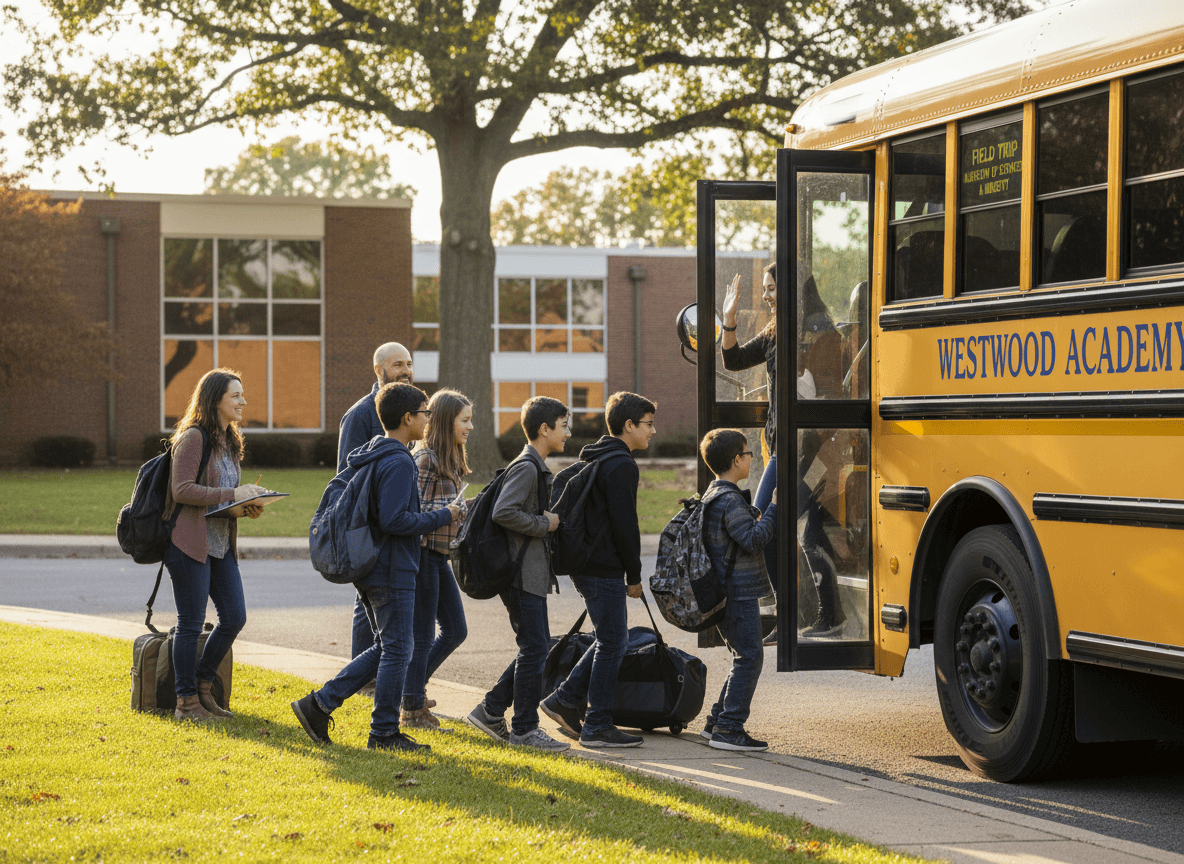
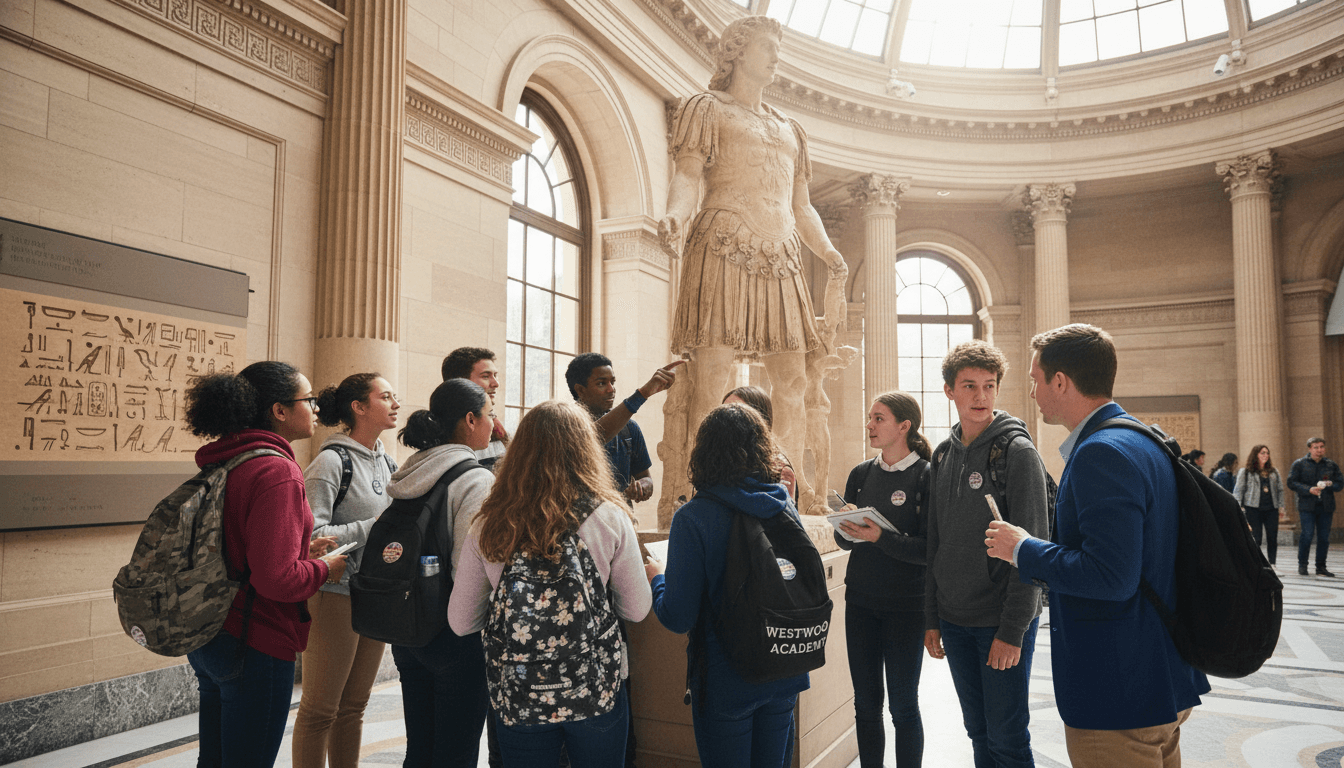
The 8th grade trip is one of the most memorable events in a middle schooler's school career. It is often the first overnight trip students take without their parents, the first time they travel as part of a school group, and frequently the culminating experience of three years in middle school. For all of those reasons, families approach it with a mix of excitement, anxiety, and practical questions that need clear answers.
A well-structured trip newsletter does not just announce the event. It answers the questions families have before they think to ask them, builds confidence that the trip is well organized and educationally purposeful, and gives families the specific information they need to prepare their student and themselves.
Announcing the Trip Early and Clearly
The first trip newsletter should go out well in advance of the departure date, ideally eight to twelve weeks before the trip. This newsletter serves a different purpose than the logistics updates that follow. Its job is to introduce the trip, explain where students are going and why, describe the general format, and give families a sense of the cost and the timeline for upcoming decisions.
Include the destination, the dates, the type of trip (day trip, overnight, multi-day), the number of students and staff attending, and the approximate cost. Do not bury the cost. Families need to know what financial commitment is involved from the very first communication so they can plan. Discovering the cost late in the process, after a student has already become excited about the trip, creates far more friction than disclosing it upfront.
The Educational Purpose of the Trip
Every 8th grade trip should have a clear educational purpose, and the newsletter is where you make that purpose explicit. Connect the trip directly to the curriculum. If students are visiting a historical site, describe the units and topics that the visit extends and deepens. If the trip involves a science or nature focus, explain what skills or concepts students will apply in the field that they have been developing in class.
Be specific. "This trip connects to our spring civics unit, our study of the civil rights movement, and our project-based learning unit on American government" is a meaningful statement. "The trip is educational" is not. Families who understand the academic value of the trip are more supportive of the cost, more enthusiastic in conversations with their student about the experience, and less likely to ask whether the trip is really necessary.
Also acknowledge the developmental purpose. For 8th graders, a multi-day trip with peers and without parents is a significant step toward independence. The group problem-solving, the shared experience, and the memories built on a trip like this are genuine parts of growing up that school can facilitate. Naming that purpose is not soft. It is honest about what middle school is for.
Detailed Logistics for Families
The logistics newsletter, typically sent four to six weeks before departure, is the most information-dense communication of the planning cycle. It should cover departure and return times, meeting location on departure day, transportation method, the itinerary broken down by day, accommodation details for overnight trips, meal arrangements, and what spending money is appropriate or permitted.
For overnight trips, families need to know where students will sleep, how sleeping arrangements are structured, who supervises students during overnight hours, and what the procedure is if a student becomes homesick or needs to return home early. These are questions parents are often reluctant to ask directly, so answering them in the newsletter is both practical and reassuring.
Permission Forms and Deadlines
List every form families need to submit, the deadline for each, and exactly how to submit them. If the school uses an online form system, include the link. If paper forms are required, specify whether they should be returned to the homeroom teacher, the main office, or a specific administrator. Note what happens if forms are not submitted by the deadline. If a student cannot attend without a completed form, families need to know that clearly rather than discovering it at the last minute.
Medical forms for overnight trips typically require more detail than a standard day-trip permission slip. If any student takes prescription medication, describe the policy for managing medications on the trip, who holds the medication, how it is administered, and what documentation is required. Families who manage chronic conditions for their student need this information early.
Cost, Payment, and Financial Assistance
Be transparent about the full cost and the payment schedule. If the cost is due in installments, list the payment dates and the amount due at each. If there is a non-refundable deposit, state that clearly. Include information about your school's financial assistance process in every trip newsletter, not just the first one. A family's financial situation may change between August and the March payment deadline, and a reminder that support is available is never redundant.
If fundraising opportunities are available that can offset the cost, describe them. Student-led fundraisers for class trips are common in middle school and give students a sense of ownership over the experience. If families want to contribute directly to a scholarship fund for students who need assistance, include a way to do that too.
Supervision, Safety, and Emergency Procedures
Families need to know who is responsible for their student at every point during the trip. List the supervising staff and chaperones by name or by role. Include the staff-to-student ratio. Describe how students will move through the itinerary: in assigned groups, with designated chaperones, with a specific protocol for any unstructured time.
For overnight trips, describe the evening supervision structure. Where do students sleep relative to staff? What check-in process happens at night? Are students permitted to move between rooms after lights-out? How are behavioral concerns handled, and what is the procedure for a student who needs to return home before the trip ends? Include a contact number for families to use during the trip for non-emergency questions and a separate emergency contact for urgent situations.
What Students Should Pack
A packing list saves a significant amount of confusion and prevents students from arriving with inappropriate or missing items. Be specific: the number of days worth of clothing, appropriate footwear for the activities planned, whether students need a backpack for day activities, what toiletries to bring, whether electronics are permitted and under what conditions, and what students should not bring.
If the trip involves physical activity, note the appropriate clothing and footwear for those activities. If the weather at the destination is likely to be significantly different from home, give families enough notice to prepare. A student who arrives in the wrong clothing for the conditions is uncomfortable and distracted, and it is entirely preventable with a specific packing list sent in advance.
The Final Pre-Departure Newsletter
Send a short, focused reminder one to two weeks before the trip that covers only the most time-sensitive details: final departure time and meeting point, reminder about outstanding forms or payments, final packing checklist, and the contact number families can use while students are away. This newsletter does not need to be long. Its job is to confirm that everything is in order and to give families a clear point of contact for any last-minute concerns. A trip that is well communicated from announcement to departure creates confidence that the experience itself will be equally well organized.
Get one newsletter idea every week.
Free. For teachers. No spam.
Frequently asked questions
How far in advance should families receive the 8th grade trip newsletter?
For an overnight or multi-day trip, the first newsletter should go out at least eight to twelve weeks before the departure date. This gives families time to arrange the financial commitment, submit permission forms, ask medical or logistical questions, and plan around work or family schedules. A follow-up newsletter four to six weeks before departure with updated logistics is standard. A final reminder one to two weeks before the trip covers last-minute details and what students should pack. Three newsletters spaced across the planning period is a practical minimum for a trip of significant complexity.
What should I say to families who cannot afford the trip cost?
Address financial assistance directly and without making families feel they need to ask. Include a sentence or two in the initial newsletter noting that the school has a process for families who need support with the cost and providing a discreet way to request that assistance. A direct email to the principal or counselor is often the most comfortable path. Schools that make this information visible upfront see better participation and fewer families who quietly withdraw their student without explanation. The goal is for every 8th grader to be able to attend, and the newsletter should reflect that.
What medical and safety information do families need to provide for the trip?
The newsletter should explain the medical and health forms required, the deadline for submitting them, and what happens with any prescription medications a student needs during the trip. Families should know who the trained staff or medical personnel on the trip are, what the procedure is if a student becomes ill or injured, and which hospital or urgent care facility will be used in the event of a medical situation. For overnight trips, include emergency contact requirements and confirm that the school's standard health forms are sufficient or whether additional forms are needed.
How do I explain the educational purpose of the trip to skeptical families?
Connect the trip directly to what students have been studying. If an 8th grade history class is visiting Washington D.C., describe the specific curriculum connections: the monuments and memorials tie to the civil rights and civics units, the National Mall connects to the government structure unit, and the Smithsonian collections extend learning that cannot happen in a classroom. When the educational purpose is made concrete and specific, families who were skeptical about the cost or the time away from school often come around. Vague claims that the trip is 'educational' carry far less weight than a specific list of connections to classroom content.
How does Daystage help schools manage 8th grade trip communication with families?
Daystage gives schools a reliable, professional newsletter format for each stage of trip communication: the initial announcement, the logistics update, and the final pre-departure reminder. Sending each update through Daystage means families receive a consistent, well-organized document rather than a series of informal emails that are easy to lose or ignore. Schools can also use Daystage to send targeted messages to the 8th grade cohort only, which keeps trip communication clean and separate from school-wide newsletters.

Adi Ackerman
Author
Adi Ackerman is a former classroom teacher and curriculum writer with 8 years in K-8 schools. She writes about school communication, parent engagement, and what actually works in real classrooms.
More for Middle School
Middle School Awards Newsletter: What to Tell Families About Recognition Ceremonies and Award Criteria
Middle School · 5 min read
Middle School Dance Newsletter: How to Communicate Logistics, Dress Code, and Conduct Expectations to Families
Middle School · 5 min read
Eighth Grade Back to School Newsletter: Setting Expectations for 8th Grade Families
Middle School · 7 min read
Ready to send your first newsletter?
3 newsletters free. No credit card. First one ready in under 5 minutes.
Get started free