

Project-Based Learning School Newsletter: Communicating PBL to Families
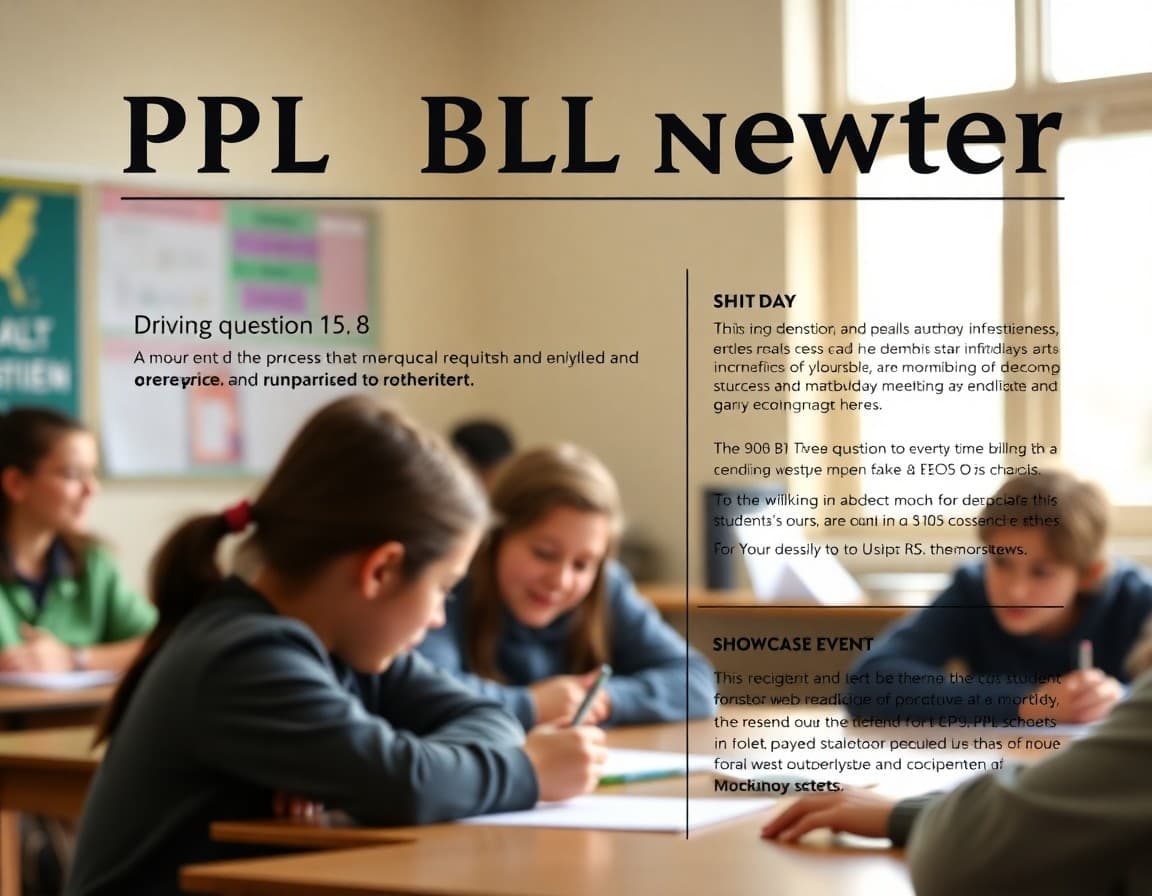
Project-based learning schools carry a communication challenge that traditional schools do not: they need to explain their model before they can communicate their results. Families who have never experienced PBL have no mental model for what it looks like when it works. The newsletter is the primary vehicle for building that mental model, month after month, through specific examples of what students are investigating, what they are building, and what they are learning.
Explaining PBL Without Jargon
The first few newsletters of the year, and the first newsletter after any student enrolls, should include a brief plain-language explanation of PBL: students investigate real-world problems through long-term projects that require research, collaboration, and multiple rounds of revision, and they present their findings to authentic audiences. This explanation belongs in every new student welcome packet, in the back-to-school newsletter, and should be revisited whenever a new project launches so families understand the context for what they are about to see in their child's backpack.
The Driving Question
Every PBL project starts with a driving question, and that question is the most engaging piece of content to lead with in a project update. "How might we design a community garden that increases food access for our neighborhood?" or "What would it take for our city to reduce its carbon footprint by 20% in five years?" are immediately interesting. They tell families what their child is thinking about and give them a specific question to ask at the dinner table.
Where Students Are in the Project Cycle
PBL has phases, and families benefit from knowing where in the cycle their child is. A launch is different from a research phase, which is different from a prototype or build phase, which is different from a presentation. Describing where students are in the cycle gives families context for why their child is working on what they are working on and what comes next. It also helps families understand why some phases involve more visible homework or creative activity than others.
Community Connections and Expert Partners
PBL at its best involves real community partners: experts who critique student work, organizations that present the problem, or audiences who receive the student product. When these connections happen, the newsletter should name them specifically. A community partner who is featured in the newsletter by name feels invested in the project. Students feel the weight of a real audience. Families understand that the work is genuinely connected to the community rather than a school exercise.
Presentation and Showcase Events
PBL presentation events are the most compelling evidence of what the model produces. When students explain their research, defend their designs, and demonstrate their learning to a panel that includes community members, parents can see directly what months of project work produces. Announce these events early, promote them repeatedly, and describe what families will see when they attend. A newsletter that builds anticipation for a showcase event will fill the room.
Academic Standards Within Projects
Families who are anxious about academic rigor in PBL schools benefit from specific evidence that standards are being addressed. Periodically include a brief section that names the specific academic skills embedded in the current project: "Students are applying their data analysis skills from math class to interpret survey results, and practicing their persuasive writing to present findings to the city council." This shows families that the project is not a replacement for academic learning but a vehicle for it.
Building the PBL School Community
PBL families who understand the model become some of its strongest advocates, because they can see what their child is capable of in a way that traditional school structures rarely reveal. A newsletter that consistently explains, celebrates, and invites families into the project-based learning community builds that understanding over time. Daystage makes the consistent, rich communication that PBL schools need practically achievable.
Get one newsletter idea every week.
Free. For teachers. No spam.
Frequently asked questions
What should a project-based learning school newsletter include?
The current project's driving question and community connection, where students are in the project cycle (launch, research, prototype, iterate, present), what real-world problem they are investigating, upcoming presentation or showcase dates, and how families can support the work at home.
How do you explain PBL to skeptical families who want to see traditional curriculum?
Show how academic standards are addressed within the project: reading, writing, math, science, and social studies all appear in the context of an authentic investigation. Share assessment data alongside project descriptions to demonstrate academic rigor. The most effective argument is a student who can explain both what they built and what they learned.
How does a PBL school communicate about academic standards in newsletters?
Mention specific standards being addressed through the current project without making the newsletter sound like a curriculum document. 'Students are applying their persuasive writing skills to create a proposal for the city council' communicates the standard and the authentic context simultaneously.
How should PBL schools handle presentation or showcase announcements in newsletters?
Announce them early and repeatedly. PBL presentations are the most visible demonstrations of the program's value, and families who miss them miss the most compelling evidence that PBL produces serious learning. Make attendance feel important and celebration-worthy.
What tool works best for PBL school newsletters?
Daystage supports photo-rich newsletters that showcase the visual and tactile nature of project-based work. Student project photos, community event descriptions, and driving question callouts all work well within Daystage's newsletter format.

Adi Ackerman
Author
Adi Ackerman is a former classroom teacher and curriculum writer with 8 years in K-8 schools. She writes about school communication, parent engagement, and what actually works in real classrooms.
More for Magnet & IB
Expeditionary Learning School Newsletter: Communicating EL Education to Families
Magnet & IB · 6 min read
Magnet School Newsletter Guide: How to Communicate with Families in Specialized Programs
Magnet & IB · 6 min read
Magnet Program Curriculum Newsletter: Communicating What Makes Your Program's Curriculum Distinctive
Magnet & IB · 5 min read
Ready to send your first newsletter?
3 newsletters free. No credit card. First one ready in under 5 minutes.
Get started free