
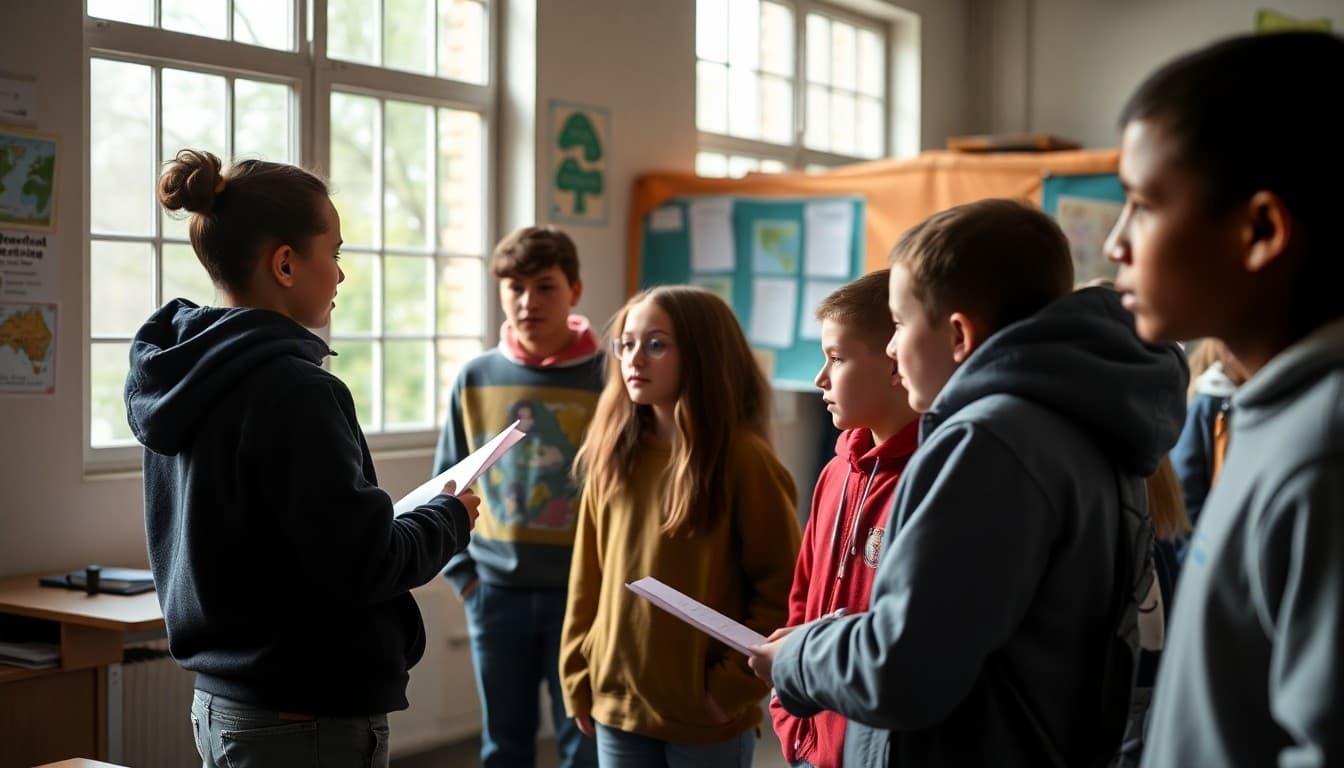
Expeditionary Learning School Newsletter: Communicating EL Education to Families
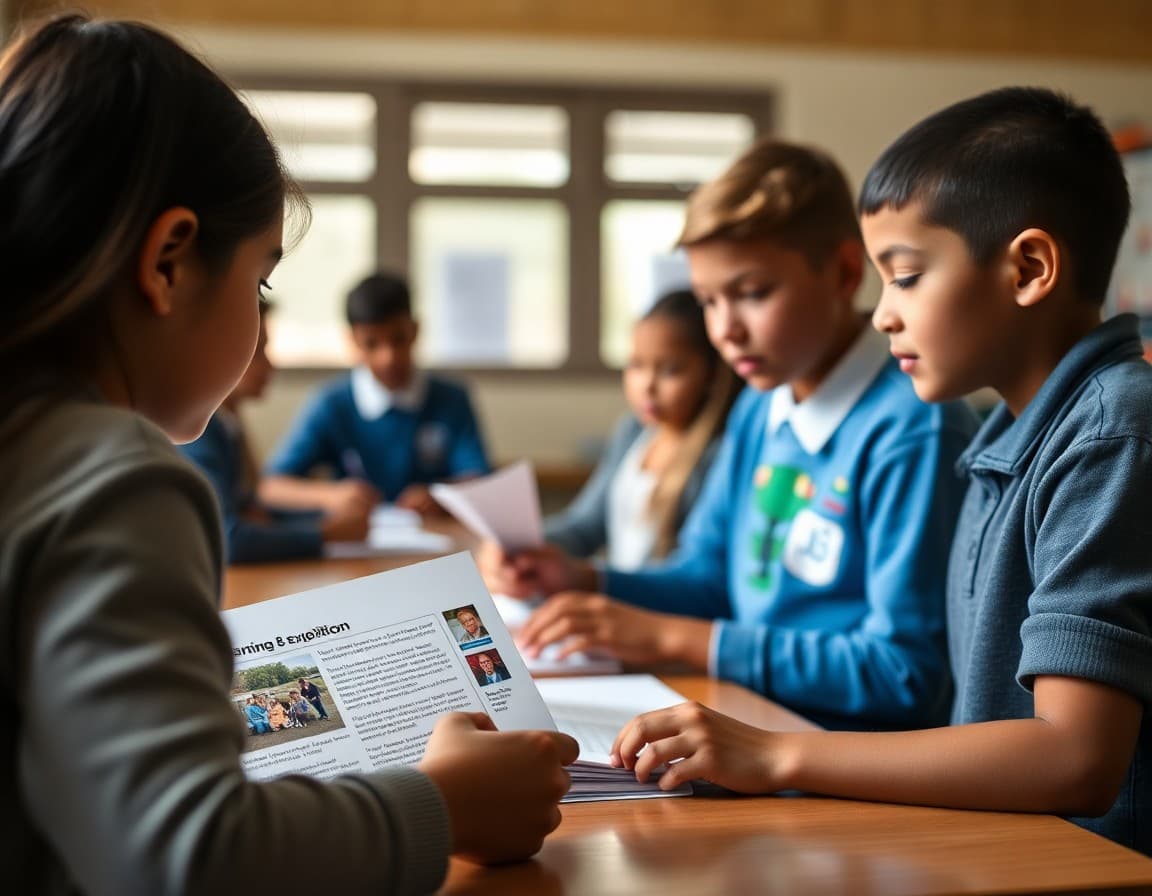
Expeditionary Learning schools operate on a fundamentally different educational model than most families experienced in their own schooling. The newsletter is one of the most important tools for closing that experience gap: helping families understand what an expedition is, why students spend weeks on a single project, what expert critique means, and how character development is woven into every academic endeavor. A newsletter that explains the model clearly, and that shows its impact through specific student stories, turns skeptical families into advocates.
What Is an Expedition?
The first time families encounter the expedition model, most are unfamiliar with it. A brief, jargon-free explanation belongs in every early-year newsletter and should reappear at the start of each new expedition: "An expedition is a multi-week investigation of a real-world question. This quarter, students are investigating what makes a local ecosystem thrive and what threatens it, and they will produce a guide for third graders at our partner elementary school." That description tells families the question, the investigation, and the authentic audience in three sentences.
The Current Learning Expedition
Each newsletter issue should include a brief update on the current expedition: where students are in the investigation, what they are reading and researching, what expert connections have been made, and what the final product will be. This section is most useful when it is specific: not "students are researching environmental topics" but "students interviewed three local watershed scientists last week and are analyzing their data to identify patterns in water quality across three local tributaries."
Fieldwork and Expert Connections
EL expeditions typically involve fieldwork, which may mean visiting a site, hosting an expert, or participating in a community investigation. When these experiences happen, the newsletter is the right place to describe them specifically. A photo of students in the field, a quote from the expert guest, or a student reflection on what they learned from a community investigation makes the newsletter compelling and communicates the real-world relevance of EL education in a way that abstract descriptions cannot.
Beautiful Work and the Revision Process
EL's commitment to "beautiful work" is one of its most distinctive features and one that is most often misunderstood by families unfamiliar with the model. The newsletter should periodically explain what this means: that students revise work multiple times based on specific critique, that quality standards are high by design, and that a project goes through many drafts before it is ready for a public audience. Including a before-and-after example of a student piece, with permission, makes this abstract commitment concrete and powerful.
Crew and Character
Crew is central to EL community life, and families benefit from understanding what it is and why it matters. The newsletter can describe what crew focuses on in a given month: goal-setting, supporting a classmate who is struggling, practicing a specific Habit of Scholarship. Naming the current character focus or crew activity makes these invisible aspects of the school day visible to families and creates conversation opportunities at home.
Learning Expedition Products and Showcases
Every EL expedition culminates in a product that goes to a real audience. When a product is complete, the newsletter should celebrate it: what students made, who the audience was, and how the community received it. If there was a public showcase, share the student and community response. These celebration moments are some of the most powerful content in any EL school newsletter because they show families the culminating impact of the work students put in over weeks of investigation.
Building the EL Family Community
EL schools thrive when families understand and support the model. A newsletter that consistently explains, celebrates, and invites families into the expedition community builds that understanding over time. Daystage makes it practical to produce these content-rich newsletters consistently, with the photo and text layouts that EL schools need to do the model justice.
Get one newsletter idea every week.
Free. For teachers. No spam.
Frequently asked questions
What makes an EL Education school newsletter different from a traditional school newsletter?
EL newsletters need to explain the expedition model, which is unfamiliar to many families, showcase student work in authentic contexts, describe expert connections and fieldwork, and communicate how character and crew play into the school community alongside academics.
How do you explain the expedition model to new families in a newsletter?
Describe the current learning expedition in terms of the guiding question, the real-world problem students are investigating, and how academic skills connect to that investigation. Avoid jargon like 'case study' and 'protocol' without explanation. New families need the conceptual framework before the vocabulary.
How should EL schools communicate about student work quality in newsletters?
Describe what 'beautiful work' means in EL terms: multiple drafts, expert critique, high standards. Share a specific example of how a student revised a project based on critique. This builds family understanding of why the bar is high and why revision is celebrated.
What is the crew model and how do you explain it in a newsletter?
Crew is EL's term for an advisory group where students build community, check in on character and progress, and support each other. Explain this simply in newsletters: 'Crew is a small group where students have a consistent adult advocate and build the habits of scholarship and character we value.'
What tool works best for EL Education school newsletters?
Daystage handles the rich, photo-forward newsletter format that EL schools need to showcase student work and expedition highlights. Its consistent structure helps families know where to find expedition updates, crew news, and school calendar information.

Adi Ackerman
Author
Adi Ackerman is a former classroom teacher and curriculum writer with 8 years in K-8 schools. She writes about school communication, parent engagement, and what actually works in real classrooms.
More for Magnet & IB
Project-Based Learning School Newsletter: Communicating PBL to Families
Magnet & IB · 6 min read
Magnet School Newsletter Guide: How to Communicate with Families in Specialized Programs
Magnet & IB · 6 min read
Magnet Program Curriculum Newsletter: Communicating What Makes Your Program's Curriculum Distinctive
Magnet & IB · 5 min read
Ready to send your first newsletter?
3 newsletters free. No credit card. First one ready in under 5 minutes.
Get started free