
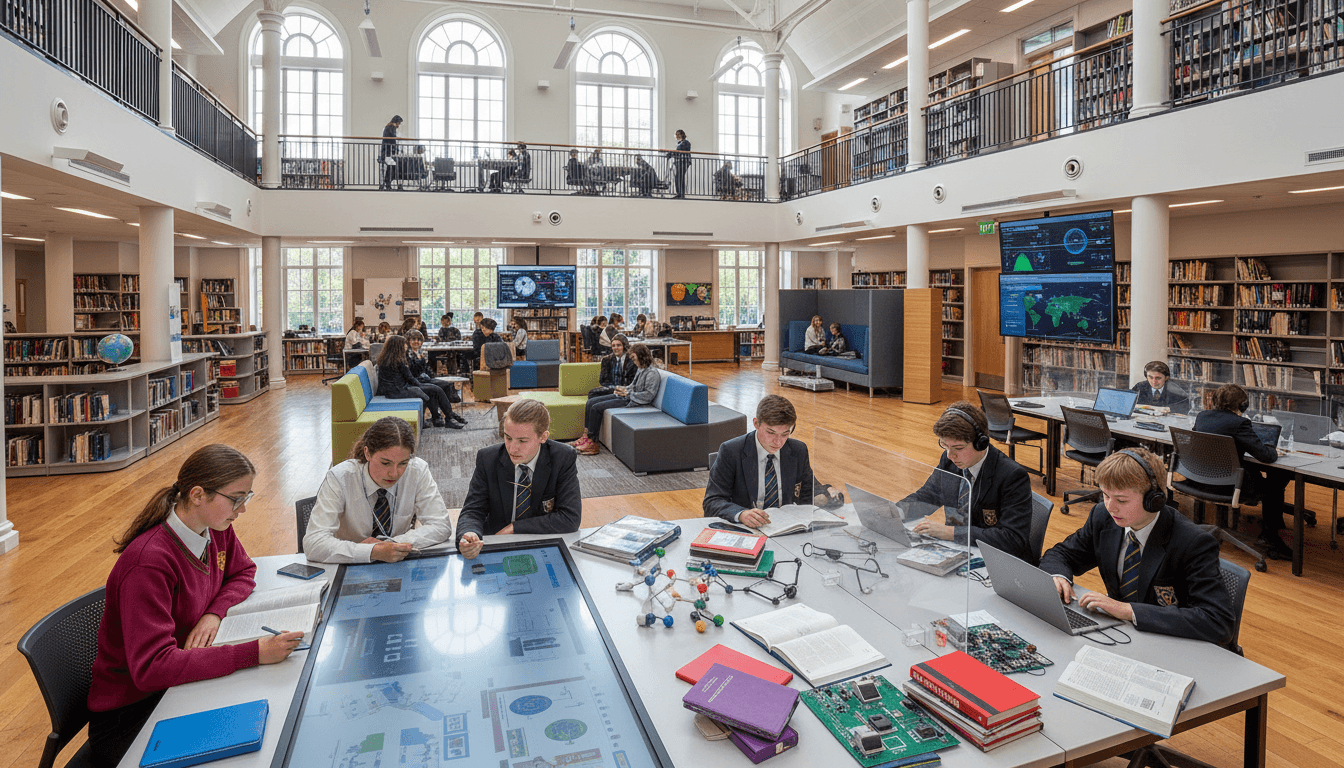
Magnet School Newsletter Guide: How to Communicate with Families in Specialized Programs
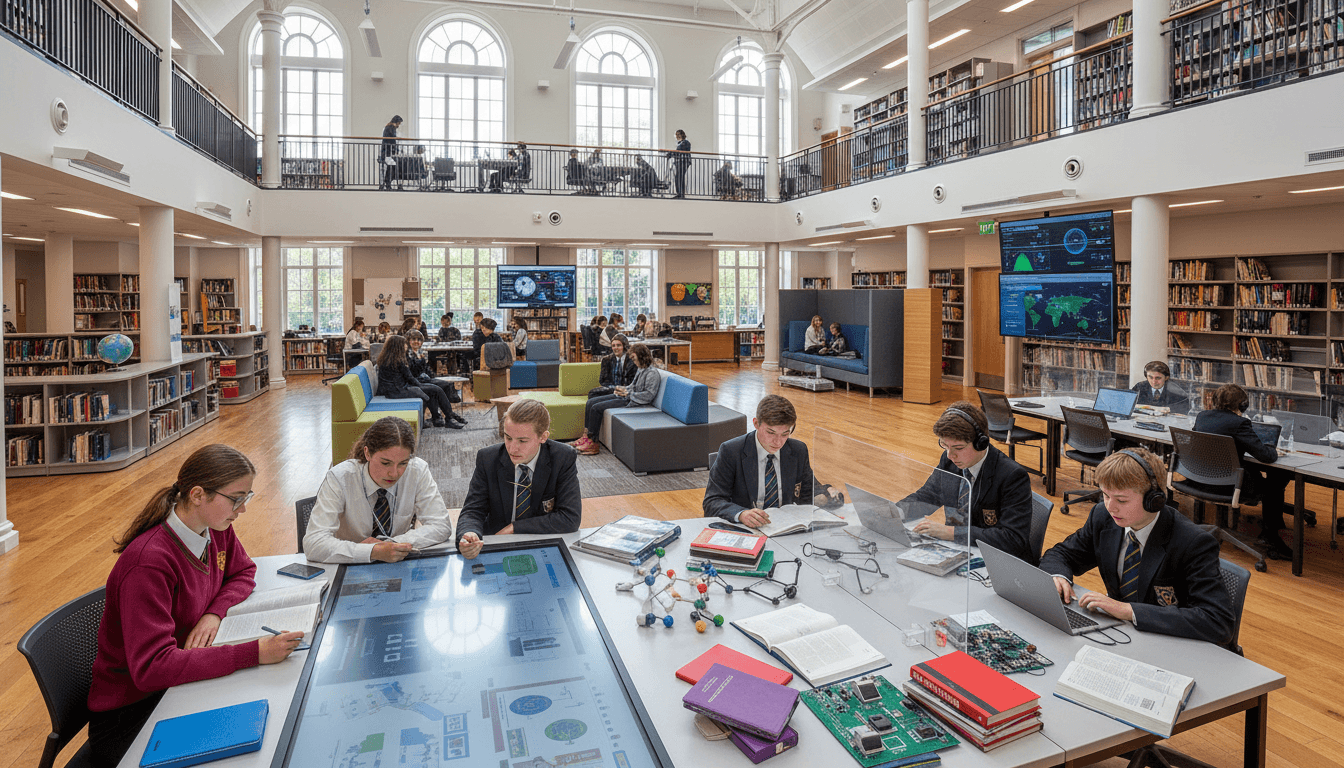
Magnet schools operate in a uniquely competitive and intentional communication environment. Unlike neighborhood schools where families are assigned, magnet families made an active choice to be there. They researched the program, completed an application, navigated a lottery or selection process, and in many cases arranged transportation across district boundaries. They arrived with high expectations and a strong interest in the program that attracted them.
The newsletter is how you justify that choice and sustain that investment week after week. It is also how you attract the next cohort of families who are considering the program and watching to see whether it delivers what it promises.
Leading with program identity
Every magnet school newsletter should lead with something that reflects the school's program identity: a STEM accomplishment, a student creative achievement, a dual language milestone, an IB assessment result, or a specialized program event. Readers who came for the program need to see it clearly in every communication.
A newsletter that leads with cafeteria menu updates and parking lot reminders wastes the opening on content that could be in a general school communication. Reserve the prime position for program content that reminds families why they chose this school.
Communicating program rigor honestly
Magnet programs are academically demanding, and families need honest communication about what that means for their students. A newsletter that only showcases successes without acknowledging the difficulty of the program does families a disservice. "This is a rigorous program and students who struggle deserve support, not shame" is a message that builds trust with families who are watching their child work hard.
Include academic expectations clearly: what homework volume is typical, what the participation and engagement requirements are, and what support is available when students are struggling. Families who understand these expectations have realistic preparations.
Keeping prospective families in the communication loop
Many magnet programs have public-facing newsletters or maintain a prospective families list separate from enrolled families. This communication channel is critical for recruitment and enrollment. A newsletter that describes what current students are doing gives prospective families a window into the lived experience of the program that no brochure can replicate.
Connecting with the broader magnet network
Magnet schools often belong to district-wide magnet networks, national magnet school organizations, or specialized program consortia. The newsletter is the right place to communicate participation in these broader networks: conference attendance, network competitions, shared resources, and opportunities that come through program affiliations. This network identity adds value to the program beyond the individual school.
Parent engagement expectations in the newsletter
Many magnet programs have explicit parent engagement requirements: volunteer hours, committee participation, or event attendance. The newsletter is where these expectations live in family consciousness. Regular, friendly reminders of engagement requirements and specific opportunities to fulfill them prevent the last-minute scramble that stresses families and coordinators alike.
Get one newsletter idea every week.
Free. For teachers. No spam.
Frequently asked questions
What makes magnet school newsletters different from regular school newsletters?
Magnet school newsletters serve families who chose the school specifically for its program focus. These families are typically more invested in program details, curriculum rigor, and admissions pipeline than families at a neighborhood school. The newsletter needs to reinforce why the program is worth the choice, not just communicate logistics.
How often should a magnet school send a newsletter?
Weekly newsletters work best for active magnet programs with regular parent engagement expectations. Monthly newsletters are appropriate for programs where communication is primarily informational rather than action-oriented. Whatever cadence you choose, consistency matters more than frequency.
What content should appear in every magnet school newsletter?
Program highlights specific to the magnet theme, upcoming events and deadlines, academic expectations or requirements for the current period, application or enrollment information if relevant to the season, and any program-specific news that differs from the general school. Magnet families expect content that reflects why they chose this program specifically.
How do you balance program-specific content with general school communication in a magnet newsletter?
Lead with program-specific content and keep general school information brief or link to separate communications. Families who chose a magnet program specifically came for the program, not the general school. Make sure the magnet content justifies the read even if they skip the general school updates.
How does Daystage help magnet schools manage newsletter communication?
Daystage is designed for school newsletter communication and works well for magnet programs that need to maintain separate subscriber lists for current families, prospective families, and alumni. Coordinators use it to send consistently formatted newsletters without requiring design or email marketing experience.

Adi Ackerman
Author
Adi Ackerman is a former classroom teacher and curriculum writer with 8 years in K-8 schools. She writes about school communication, parent engagement, and what actually works in real classrooms.
More for Magnet & IB
Magnet School Accreditation Newsletter: Communicating Program Quality and Recognition to Families
Magnet & IB · 5 min read
Magnet School Open House Newsletter: Attracting Prospective Families and Building Your Program Community
Magnet & IB · 5 min read
IB Career Programme Newsletter: Communicating Work-Based Learning and the CP Framework
Magnet & IB · 5 min read
Ready to send your first newsletter?
3 newsletters free. No credit card. First one ready in under 5 minutes.
Get started free