
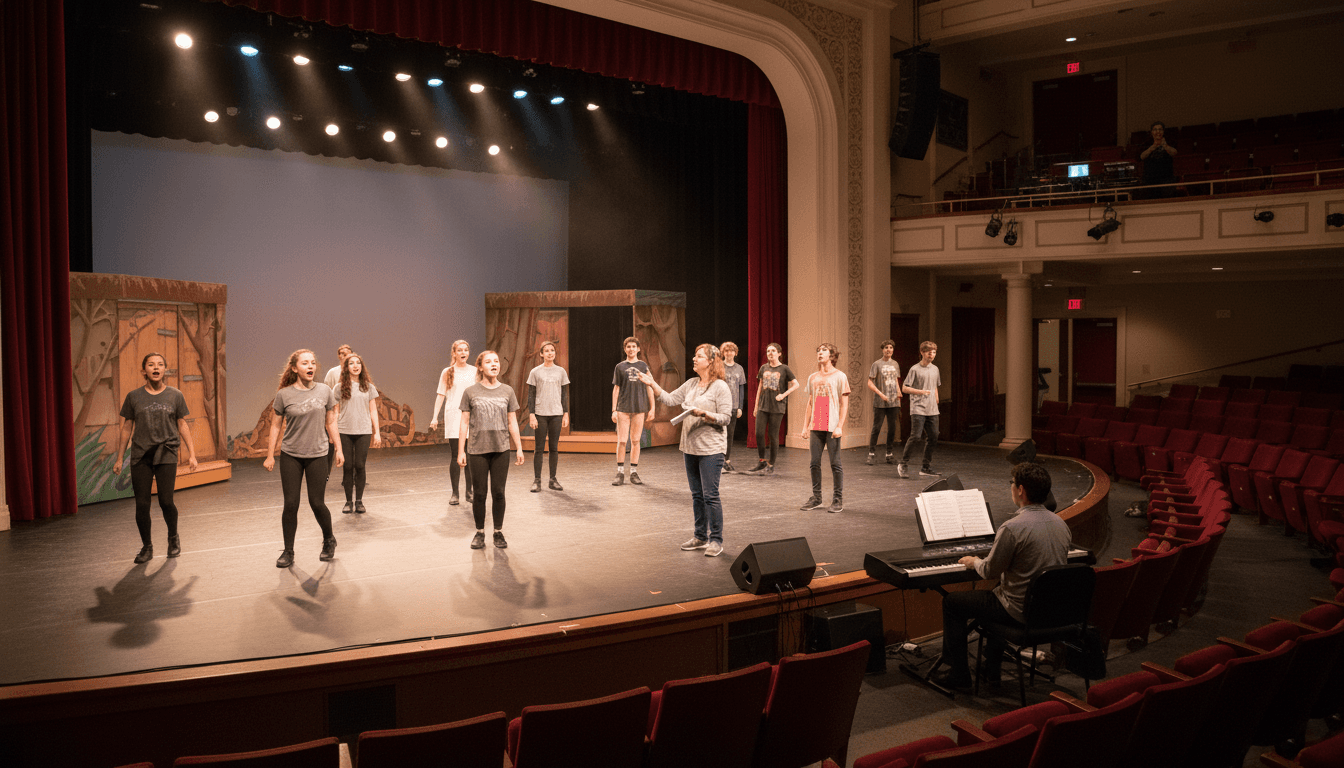
Performing Arts Magnet School Newsletter: Stage and Studio Updates
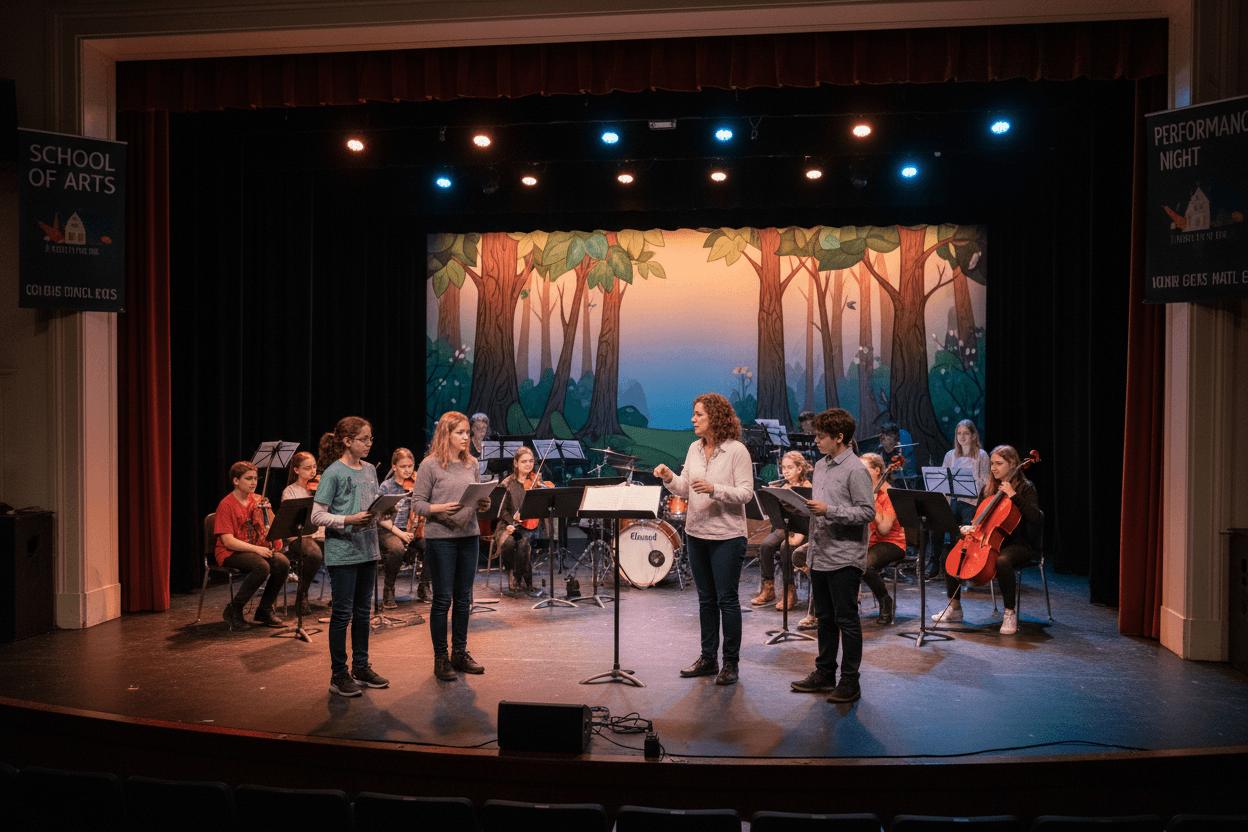
Performing arts magnet schools operate on a rhythm that no other school type matches: audition season, rehearsal season, production season, and the brief recovery period before it starts again. The newsletter has to keep pace with that rhythm while also handling academic communication, scheduling logistics, and the particular emotional texture of an arts-focused community.
Families who chose a performing arts magnet school are invested in their student's artistic development in a way that demands specific, detailed, and frequent communication. The newsletter that rises to that expectation is the one families read the moment it arrives.
Build your calendar section and keep it current
The most-used section of any performing arts magnet newsletter is the calendar. Audition windows, callback dates, cast list releases, rehearsal schedules, tech weeks, dress rehearsals, performance nights, and post-production events generate more family questions than any other communication category. Put them all in one place, formatted clearly, and update that section every issue.
List upcoming dates with full details: date, time, location, and which productions or programmes are affected. "Rehearsal" is not enough. "Thursday, May 14, 3:30-6:00 PM, Theater Studio B, Spring Musical cast only (no choir or dance)" is what families actually need to plan their week.
Cover auditions with process transparency
Audition communication is one of the highest-anxiety touchpoints in a performing arts school year. Families and students want to understand what auditions assess, who evaluates them, what criteria are used, and what the timeline looks like from audition to casting. The newsletter should provide this information before the audition window, not after.
When internal audition results are announced, the newsletter should briefly acknowledge the milestone and congratulate the full group regardless of individual outcomes. Casting specifics belong in direct communication with students, not in the newsletter. But a newsletter that ignores a major audition cycle entirely leaves a communication vacuum that speculation fills.
Highlight masterclass and guest artist opportunities
Guest artists, masterclasses, professional residencies, and industry exposure opportunities are core to the value proposition of a performing arts magnet. Every time a working professional visits the school, leads a workshop, or gives students feedback on their technique, the newsletter should cover it.
Name the artist, describe their professional background briefly, and explain what students worked on during the visit. This coverage reinforces for families why they chose this school: because their student has access to real professional mentorship that a neighborhood school cannot offer. It also creates a record of the school's artistic programming that prospective families can see.
Feature all disciplines with equal attention
Performing arts magnet schools typically run multiple programmes: theater, dance, music, technical production, sometimes film or vocal. The newsletter should rotate coverage across all disciplines rather than defaulting to whichever programme has the highest-profile upcoming production.
A dance student's family reading about the spring musical for four consecutive newsletters without any mention of the dance showcase does not feel seen by the school. Structural rotation in the newsletter ensures every programme community receives recognition and information throughout the year.
Production week logistics need their own section
Tech week and production week are logistically intense periods that require significant family coordination. Students may need to be at school at unusual hours, travel to external venues, manage costume responsibilities, or participate in extended evening rehearsals that affect homework and sleep.
Give production week its own newsletter section that starts appearing three weeks before the production. Include rehearsal hours, costuming requirements, meal arrangements if the school provides them, ticket sale details, and any volunteer opportunities for families. Families who receive this information with enough lead time can plan. Families who receive it the week before cannot.
Celebrate ensemble contributions alongside lead roles
A performing arts newsletter that only features lead performers trains the school community to value visibility over craft. The student running the lighting board, the ensemble dancer who holds the stage during a scene change, the orchestra musician whose consistency anchors a difficult production: these contributions deserve newsletter coverage.
Building a student spotlight rotation that covers technical production, stage management, ensemble performance, and administrative arts roles creates a newsletter culture that reflects genuine ensemble values. It also reduces the tension around casting that performing arts schools navigate every production cycle.
Post-production wrap-up and reflection
The newsletter after a major production is one of the most important ones a performing arts school sends. Families attended. Students worked for months. The community came together around something real and specific. The newsletter should honor that with genuine reflection: what the production achieved, what students learned, what moments stood out, and what the experience meant for the programme.
This is not a press release. It is a community document that captures something that happened and will not happen again in exactly the same way. Write it with that weight. Families who feel that the school understood the significance of a production are the families who come back next year and bring others.
Get one newsletter idea every week.
Free. For teachers. No spam.
Frequently asked questions
What is the most time-sensitive content in a performing arts magnet newsletter?
Audition windows, callback notifications, and cast list announcements. These dates drive enormous family planning around work schedules, rehearsal pickups, costume preparation, and ticket purchases. Build a calendar section that lives at the top of every newsletter and lists all upcoming audition and performance dates for the next 30 days.
How do performing arts newsletters handle students who did not get a role they wanted?
The newsletter is not the place to address individual casting decisions, but it should model the ensemble culture that makes a performing arts school worth attending. Feature ensemble work, corps contributions, and production roles that are not lead performances. When the newsletter consistently values all contributions, families internalize that the school does too.
How detailed should rehearsal schedule communication be in a newsletter?
Detailed enough that families can plan their week reliably. Include rehearsal dates, call times, location changes, and any mandatory production weeks or tech runs that require different hours than normal rehearsals. A family who is surprised by a mandatory Saturday tech rehearsal that was not communicated clearly will be a frustrated family.
Should performing arts magnet newsletters cover conservatory-style training alongside academic content?
Yes, and with specificity. Families chose a performing arts magnet because they want conservatory training for their student. A newsletter that only covers academic news misses the core value proposition of the school. Cover guest artist masterclasses, technique workshops, audition preparation classes, and industry exposure opportunities with the same prominence as academic achievements.
How does Daystage help performing arts magnet schools manage high-volume performance season communication?
Daystage handles the volume spike during performance season when coordinators are sending audition updates, rehearsal schedule changes, ticket sale announcements, and post-show wrap-ups simultaneously. The consistent format keeps communication organized even when content is coming from multiple departments, including music, dance, theater, and production.

Adi Ackerman
Author
Adi Ackerman is a former classroom teacher and curriculum writer with 8 years in K-8 schools. She writes about school communication, parent engagement, and what actually works in real classrooms.
More for Magnet & IB
Ready to send your first newsletter?
3 newsletters free. No credit card. First one ready in under 5 minutes.
Get started free