
Magnet School Showcase Newsletter: Celebrating Student Projects
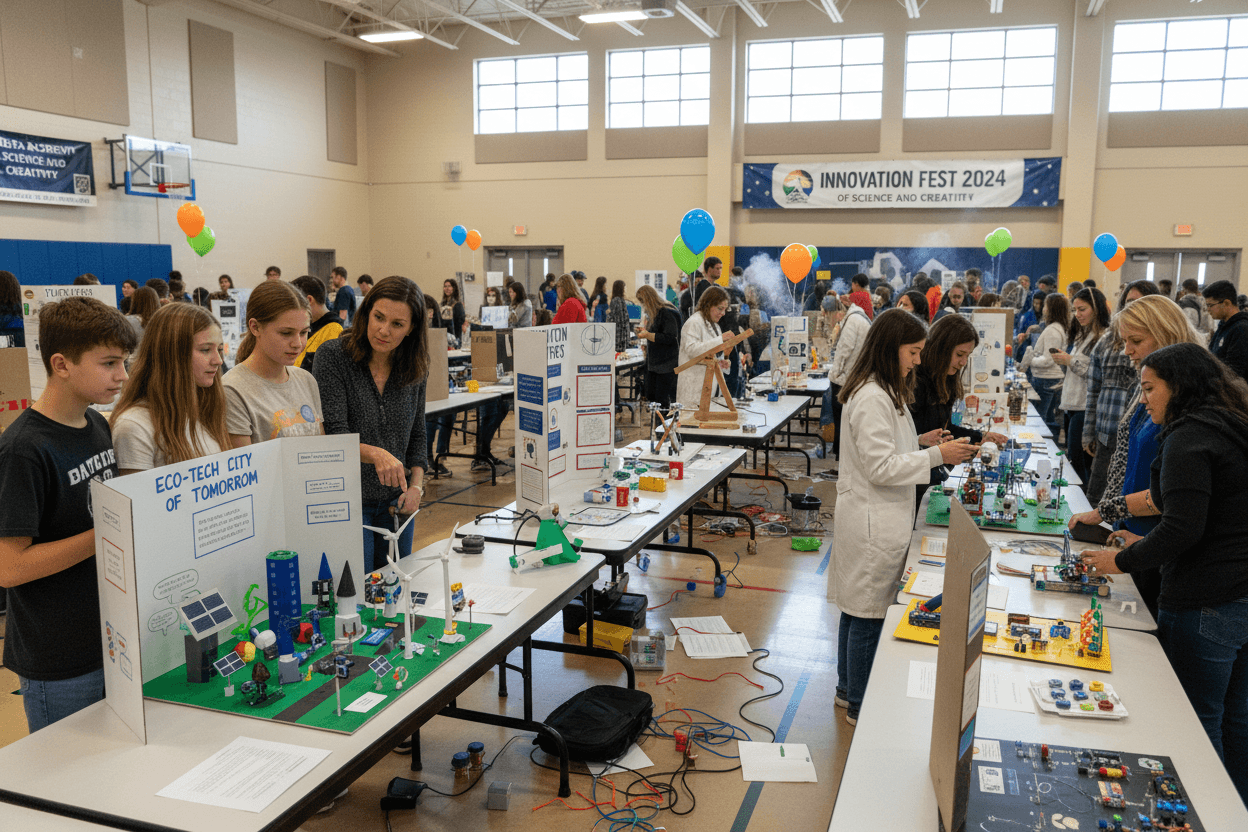
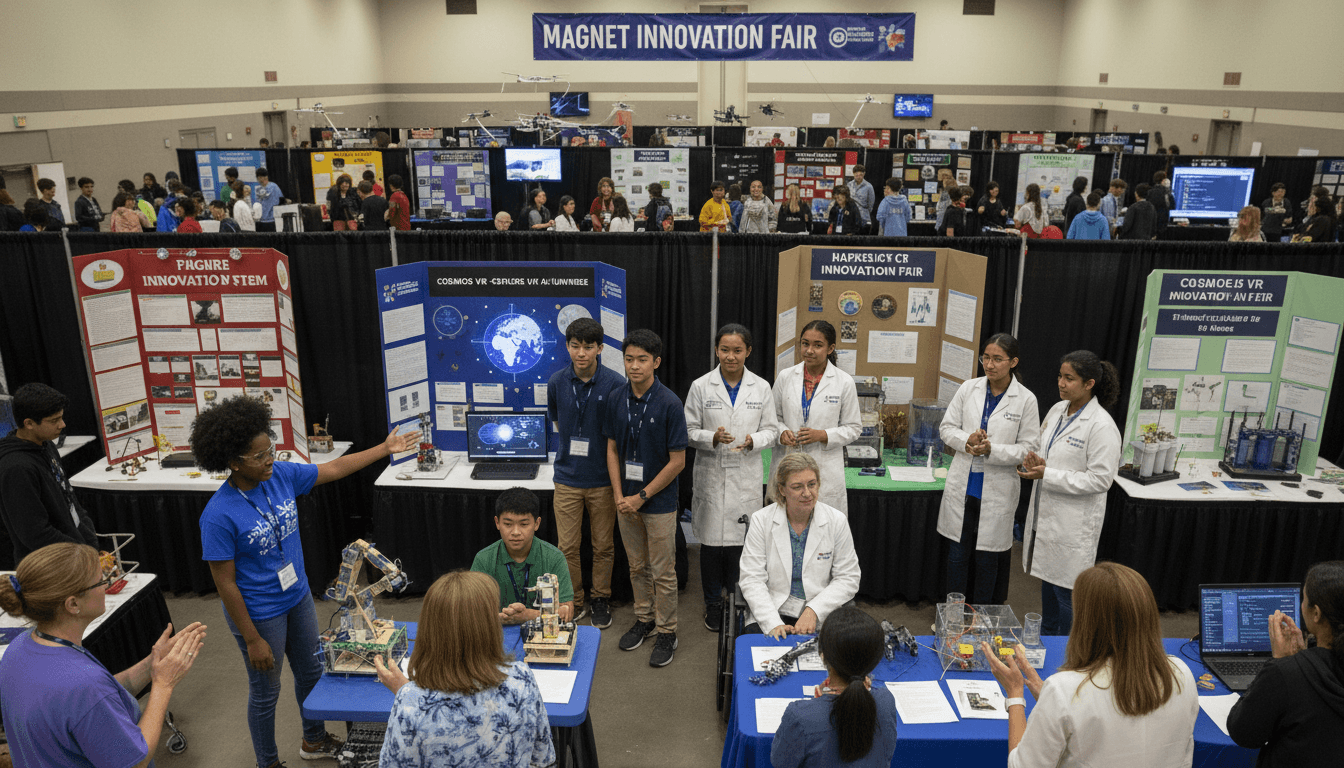
A magnet school showcase is the most visible expression of what makes the program different from a traditional school. It is the moment when the specialized curriculum produces something tangible: a working prototype, a research presentation, a performance, a design solution to a real problem. The newsletter covering a showcase is both a celebration of current students and the most effective recruitment tool the program has. Prospective families who read a well-written showcase newsletter understand what students actually do in the program in a way that a program brochure cannot convey.
This guide covers how to structure a magnet school showcase newsletter, how to write about student projects in a way that communicates the program's unique value, and how to use the newsletter to build community pride and attract the next cohort of students.
Open with what the showcase demonstrates about the program
Before describing individual projects, open the newsletter by connecting the showcase to the program's mission and what it reveals about how students learn. "Every May, our biotechnology magnet holds a capstone showcase where students present independent research projects to a panel of working scientists and engineers from the community. This year's showcase featured 34 projects from students in grades 9 through 12, covering topics from antibiotic resistance in school cafeteria surfaces to water quality monitoring in local watersheds. These projects are the result of eight months of work using real lab equipment and genuine scientific methodology." This framing tells prospective families what kind of education the program delivers before they read a single project description.
Describe projects by leading with the question or problem
The most compelling project descriptions focus on the challenge the student was addressing, not just the product they created. "Junior Maya Reyes spent six months investigating whether plastic-eating bacteria could be isolated from soil samples near local recycling facilities. Her research identified two bacterial strains with elevated plastic-degrading enzyme activity, a finding that earned her a semifinalist designation at the regional science fair." This description tells a prospective family what kind of work the program produces: real questions, real methods, real results. A description that says "Maya completed a microbiology project" conveys nothing.
Include student voice in the coverage
A showcase newsletter that is entirely in the coordinator's voice misses the most persuasive element: what students themselves say about their learning. Include one or two direct student quotes that describe their experience of the project process, not just the outcome. "'I didn't expect the hardest part to be the data analysis,' said ninth-grader Jordan Kim. 'I spent three weeks trying to figure out why my results weren't consistent, and then I realized I had a measurement error in my initial protocol. Starting over was frustrating, but it was also when I actually learned how science works.'" That quote tells a prospective family more about the program's learning culture than any marketing language could.
Explain the community experts who participated
Magnet school showcases that involve community professionals as judges, mentors, or audience members have a built-in story that distinguishes the program from a traditional school. Name the professionals who participated and what their involvement meant for students. "This year's showcase panel included Dr. Aisha Okafor, a research scientist at NovaBio; Marcus Webb, a senior engineer at Greenfield Infrastructure; and three graduate students from the university's environmental science department. Students received written feedback from each panelist, feedback that several students described as the most useful critique of their work they had ever received." Community expert involvement is a differentiator worth naming explicitly.
Celebrate the learning process, not just the outcome
Showcase newsletters that only highlight the top projects or winners create a false impression of what the learning experience is like for most students. A newsletter that includes projects that encountered obstacles, required pivots, or produced inconclusive results alongside the award-winning work gives a more honest picture of what genuine inquiry looks like. "Three teams whose original hypotheses were not supported by their data presented their work as a case study in research design, analyzing what their results revealed about the limits of their methodology. This kind of scientific thinking, treating a negative result as information rather than failure, is exactly what the program aims to develop."
Connect the showcase to the upcoming application or open house
A showcase newsletter is the highest-value recruitment touchpoint a magnet program has. Use it to connect prospective families to the next step in the admissions process. "Families interested in learning more about the biotechnology magnet are invited to our Spring Open House on June 5 from 4:00 to 6:00 PM. Students will demonstrate their lab work, and current families are available to answer questions from prospective applicants. Applications for next year's cohort open July 1 at district.edu/biotech-magnet." The showcase creates interest; the open house converts it.
Recognize the teachers who made the work possible
A student showcase does not happen without teachers who designed the curriculum, guided the research process, and coached students through months of iterative work. The newsletter should name the teachers whose instruction produced the showcase. "This year's showcase projects were developed under the guidance of Ms. Chen (biology), Mr. Oduya (chemistry), and Dr. Park (research methods). Their work designing the independent research curriculum, now in its third year, is what makes projects at this level possible for high school students." Recognition of teachers in a public newsletter also signals to prospective faculty that the program values the expertise of its staff.
Use Daystage to build the newsletter habit that makes showcases land
A showcase newsletter delivered through a channel families already trust and open reaches a wider audience than a one-off email or a PDF posted to the school website. Daystage monthly newsletters give magnet programs a consistent, professional format that families read regularly. When the showcase issue arrives in the same channel as the monthly program update, it benefits from months of established readership. Coordinators who use Daystage throughout the year find that their showcase newsletters are among their most forwarded communications, which turns current families into the program's most effective recruiters.
Get one newsletter idea every week.
Free. For teachers. No spam.
Frequently asked questions
What should a magnet school showcase newsletter include?
Cover the showcase event details (date, location, format, and how to attend or view student work), descriptions of three to five featured student projects that illustrate the program's unique learning approach, quotes from students about their learning process, context for how the projects connect to the magnet program's curriculum and mission, and an invitation for prospective families to attend or schedule a follow-up program visit. The newsletter should give current families something to celebrate and give prospective families a concrete picture of what students actually do in the program.
How do you write about student projects in a way that attracts prospective families?
Describe the problem the student was trying to solve or the question they were investigating, not just what they made. 'A group of seventh-graders in the environmental science magnet designed a composting system for the school cafeteria after analyzing the school's landfill data and comparing composting programs at three similar districts.' That description tells a prospective family what kind of thinking and initiative the program develops. 'Students completed a composting project' tells them nothing.
How do you balance celebrating individual students with maintaining a fair and inclusive newsletter?
Feature a range of project types, grade levels, and students across each newsletter rather than focusing on the same high-profile students repeatedly. Use a rotating feature approach where different classes or cohorts are highlighted in each issue. Describe the learning process and collaboration alongside individual recognition. 'The eighth-grade engineering cohort designed 14 different bridge models in teams of three' is more inclusive than a singular focus on the top-scoring team.
How do you handle student privacy when sharing project work and student photos?
Follow your district's media release policy for photos and student identification. Many districts require annual media release forms before publishing student photos in external communications. When in doubt, use first names only, avoid combining names with identifiable photos, and describe the project without attributing it to a specific student. Always give students and families the option to opt out of being featured in newsletter content.
How does Daystage help magnet school coordinators produce showcase newsletters?
Daystage gives magnet school coordinators a professional newsletter format that makes student project work look as impressive as it deserves to. When showcase newsletters arrive through a consistent, polished channel, current families feel pride in the program and prospective families form a strong first impression. Coordinators who use Daystage for monthly newsletters find that their showcase issues become some of the most shared and forwarded communications the program sends.

Adi Ackerman
Author
Adi Ackerman is a former classroom teacher and curriculum writer with 8 years in K-8 schools. She writes about school communication, parent engagement, and what actually works in real classrooms.
More for Magnet & IB
Ready to send your first newsletter?
3 newsletters free. No credit card. First one ready in under 5 minutes.
Get started free