

IB University Recognition Newsletter: College Credit and Admissions
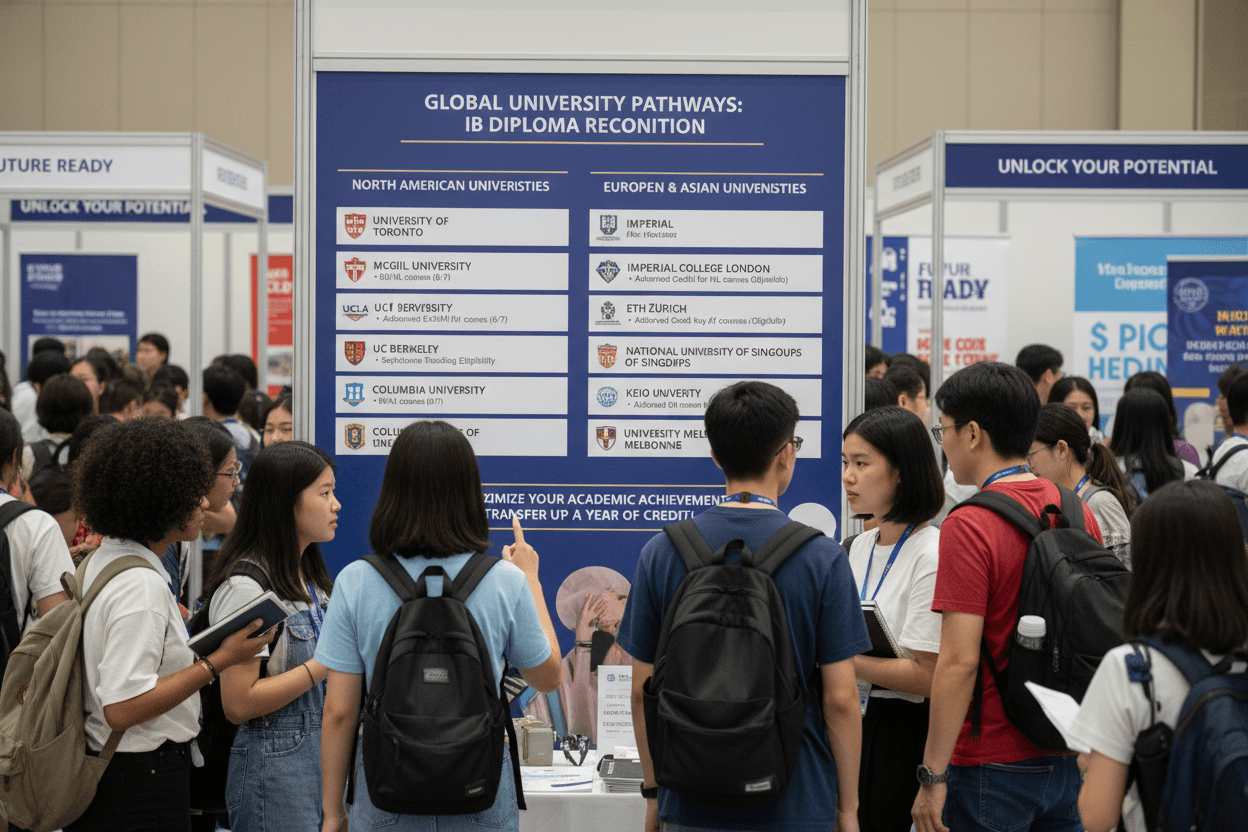
University recognition is one of the primary reasons families choose IB programmes. The diploma signals academic rigor to admissions committees worldwide, the credit opportunities can save students significant tuition costs, and the skills the programme develops translate well to university-level work. Communicating these advantages accurately and practically is one of the most valuable services an IB coordinator's newsletter can provide.
The risk is overpromising. University recognition policies vary by institution, change annually, and depend on specific scores rather than just diploma completion. Families who receive vague assurances about IB credit and then discover the reality in a university admissions office feel misled. The newsletter that tells the specific truth does more for the programme's reputation than one that defaults to cheerful generalities.
Start the conversation in Year 1, not Year 2
IB university recognition communication is most valuable before students have made irreversible decisions. Higher Level subject choices are locked in early in the Diploma Programme. Families who understand that HL scores at 5 or above often unlock credit at many universities can factor that into subject selection conversations with their students. Families who learn about credit opportunities after registration cannot.
Build a university recognition section into the Year 1 DP newsletter from the first semester. Frame it as context for long-term planning rather than as pressure. Families who understand the potential credit value of HL choices make more informed decisions and enter Year 2 with realistic expectations about what their student's diploma score could open.
Explain the recognition landscape accurately
IB recognition spans more than 5,000 universities in 75 countries, and the IB Organization publishes recognition statements from institutions worldwide. The newsletter should help families understand what recognition actually means in practice: some institutions grant credit, some grant advanced standing, some grant exemptions from specific requirements, and some grant all of the above depending on the subject and score.
Create a simple framework families can use: universities with automatic credit policies for HL scores at 5 and above, institutions with score-dependent credit for specific subjects, and institutions where the diploma is recognized for admissions purposes but credit is granted case-by-case. Families who understand the landscape are better equipped to research the specific policies at the universities their students are considering.
Cover specific university policies your students target most
Every IB school has a set of universities that its graduates target at disproportionate rates. The newsletter should regularly feature the credit recognition policies of those institutions specifically. If a large portion of your graduates attend state flagship universities or specific private institutions, explain those schools' IB policies by subject and score threshold.
This specificity turns the newsletter from a general advocacy document into a practical planning tool. A family who reads that the state university grants 3 credit hours for each IB HL subject score of 5, 6, or 7 can calculate what that means for their student's first-year course load. That calculation has real financial implications that motivate families to take the newsletter seriously.
Address the diploma versus certificate distinction
Students who complete IB courses but do not sit for the full diploma, or who sit exams but do not meet diploma requirements, receive IB course certificates rather than a diploma. University recognition policies for certificates are often different from diploma recognition policies.
The newsletter should address this distinction honestly. Families of students who are pursuing IB courses without the full diploma pathway need accurate information about what credit recognition their student can realistically expect. Assuming diploma-level recognition for certificate holders can lead to disappointment when universities apply their actual policies.
IB and the Common Application
For families navigating the US college application process, the newsletter should address how IB courses appear on the Common Application, how to report predicted grades and actual results, and when to submit official IB transcripts. This process is not intuitive for families who have not navigated it before.
Coordinators who walk families through the Common App reporting section in a newsletter dedicated to the topic prevent a wave of individual questions during the September application window. Include the IB's guidance on reporting coursework, how to list HL versus SL subjects, and how predicted grades submitted by the school relate to the scores students report themselves.
International university recognition
For schools with internationally mobile student populations, the newsletter should cover IB recognition outside the US. UK universities' UCAS point conversion for the IB diploma, Canadian universities' treatment of IB scores for provincial transfer credit, and Australian and European institutions' IB-specific admissions policies are all relevant to families considering international study.
Even if only a small portion of your graduates pursue international study, covering international recognition regularly signals that the IB diploma's value is genuinely global. This reinforces the programme's identity as an internationally recognized credential rather than an American academic enrichment program.
Build a university recognition resource families can return to
University recognition information is too complex and too important to exist only in individual newsletter issues that scroll off in an inbox. Include a standing link in every university recognition newsletter to the school's IB university recognition resource page, where families can find cumulative information, links to specific university policies, and coordinator contact information for individual guidance.
Coordinators who maintain this resource page and keep it current year over year create a reference that pays dividends beyond the newsletter itself. Prospective families who research the programme, current families who have questions mid-year, and alumni who are applying to graduate school all benefit from a centralized, accurate resource that the newsletter drives families to return to.
Get one newsletter idea every week.
Free. For teachers. No spam.
Frequently asked questions
How do IB university recognition policies differ between schools?
Recognition policies vary significantly. Some universities grant credit for IB Higher Level subjects at score 5 or above. Others require a 6 or 7. Some grant credit by subject, others grant blanket credit toward general education requirements. A newsletter explaining university recognition should always tell families to verify current policies directly with each university's admissions office, because policies change annually.
When should IB coordinators start communicating about university recognition in the newsletter?
Start in Year 1 DP, not Year 2. Families who understand the credit opportunity when their student is selecting Higher Level subjects can factor that into subject choices. A family that first learns about IB credit after exam registration has already made choices that cannot be reversed.
How do you write about IB admissions advantages without overstating them?
Use actual data rather than general claims. 'Universities in 75 countries formally recognize the IB Diploma' is verifiable. 'Admissions officers prefer IB students' is not. Share IB World School data when it supports specific claims and be honest about what is well-documented versus anecdotal. Overstating advantages backfires when families encounter the reality of selective admissions.
Should the newsletter address the IB diploma versus IB course recognition difference?
Yes, and clearly. Universities that recognize the full IB Diploma often have separate, sometimes less generous policies for individual IB course certificates. Families whose students are taking IB courses but not pursuing the full diploma need accurate information about what credit recognition their student can expect.
How does Daystage help IB coordinators communicate university guidance to families?
Daystage allows coordinators to segment newsletters by year group, so university recognition communication goes to Year 1 and Year 2 families at the appropriate depth without sending DP admissions content to MYP families who are not yet at that stage. Coordinators can also archive past newsletters so families who missed an important issue can find it later.

Adi Ackerman
Author
Adi Ackerman is a former classroom teacher and curriculum writer with 8 years in K-8 schools. She writes about school communication, parent engagement, and what actually works in real classrooms.
More for Magnet & IB
Ready to send your first newsletter?
3 newsletters free. No credit card. First one ready in under 5 minutes.
Get started free