

IB Middle Years Programme Newsletter Guide
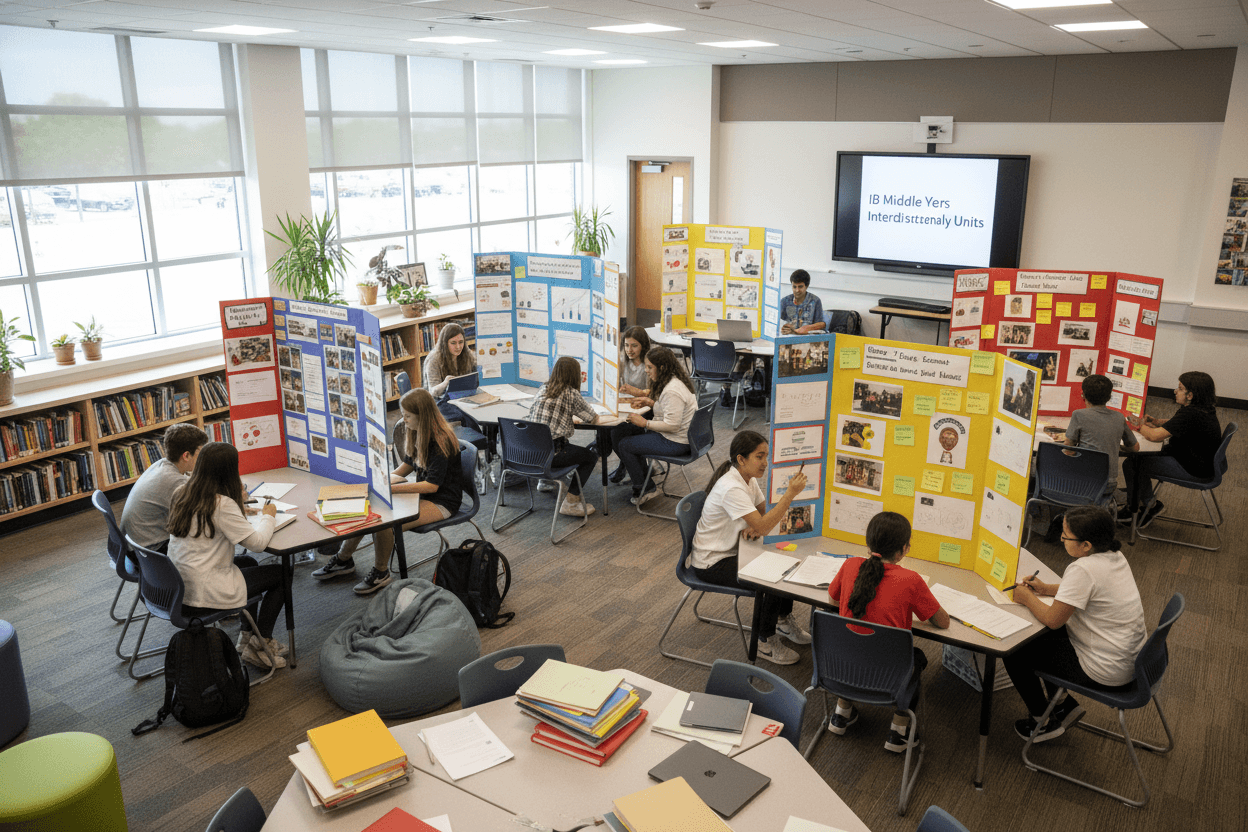
The IB Middle Years Programme sits in a communication gap that coordinators know well. Parents understood elementary school. They understand high school because it looks like what they went through themselves. Middle school IB is different enough from both that many families arrive in Year 1 with significant confusion about what their student is being asked to do and why.
The MYP newsletter is how you close that gap. Done well, it builds family confidence in the programme, supports student success at home, and reduces the volume of confused emails and calls coordinators field throughout the year.
Start each newsletter with what students are doing right now
MYP families respond best to concrete descriptions of current student work. Open each newsletter with a brief summary of what units or projects are happening across year groups. "Year 3 students are finishing their humanities unit on migration patterns and comparing historical and current displacement data" tells families something specific they can discuss at dinner. "Students are progressing through their interdisciplinary unit" tells them nothing.
Name the global context, the key concept, or the inquiry question when relevant. Families who hear these terms repeatedly in the newsletter begin to understand the MYP structure without needing to attend a formal information session.
Explain the assessment criteria every time they matter
MYP assessment is criterion-referenced, and most families have never encountered that system before. When a newsletter mentions that reports are coming or that assessments are scheduled, include a brief explanation of how the criteria work in that subject area and what the levels mean in terms families recognize.
"Criterion A measures knowledge and understanding. A score of 7-8 means a student demonstrates excellent knowledge of the content and can apply it to a range of situations" is more useful than a grid families have to decode on their own. This does not need to be long. Two or three sentences per criterion mentioned is enough.
Personal project: dedicated coverage by phase
The personal project is the MYP's most significant student milestone and the one families most need support navigating. Build a newsletter structure that follows students through the project phases: initial topic selection, supervisor meetings, process journal development, and final exhibition.
Each phase deserves a newsletter section that tells families what should be happening at home, what the student is responsible for completing independently, and what warning signs indicate a student needs more support. Families often do not know that the personal project is a multi-month independent endeavor until a deadline is looming.
Service learning: requirements and reflection
Service in the MYP is structured and assessed, not informal. Many families assume their child's volunteer activities count toward the service requirement automatically. The newsletter needs to clarify what counts, how hours are recorded, and how students reflect on their service in ways the programme recognizes.
When possible, highlight specific service projects students are participating in. Naming organizations, describing what students are doing, and sharing brief student reflections makes the service component real rather than bureaucratic. It also models the kind of reflection the programme expects from students.
Language learning and mother tongue communication
The MYP's language learning framework is one of its most distinctive features and one families often find confusing. Newsletters should periodically explain the Language Acquisition and Language and Literature pathways, what phase a student is working in, and how families can support language development at home.
For programmes with mother tongue language support, the newsletter is also the right place to communicate how students can access that support and what documentation they need to participate in mother tongue assessments.
Transition: Year 5 to Diploma Programme
Starting in Year 4, the newsletter should begin addressing the transition to the IB Diploma Programme. Families need lead time to understand what the DP involves, what subject choices are available, and what students need to achieve in MYP to be well-positioned for DP success.
This communication should be calibrated to be informative without being alarming. Year 4 families do not need to feel pressured. They need enough information to make good subject choices and support their students through the final year of MYP with clear eyes about what comes next.
Use student voice throughout
The best MYP newsletters include direct student perspective: a quote from a student describing their personal project topic, a brief reflection from a Year 3 student on their service experience, or a short excerpt from a student's inquiry journal. Student voice makes the programme concrete and relatable for families in a way that coordinator descriptions cannot replicate.
Get permission to use student names and work. Even brief inclusions of student perspective significantly increase family engagement with the newsletter and reinforce the student-centered philosophy that distinguishes the MYP from traditional middle school programmes.
Get one newsletter idea every week.
Free. For teachers. No spam.
Frequently asked questions
What IB MYP content do families most often misunderstand?
Assessment criteria confuse most families. MYP uses subject-specific criteria (A, B, C, D) rather than percentage grades, and the relationship between criterion levels and final grades is not intuitive for families used to traditional grading. Every newsletter that covers assessments should include a brief, plain-language explanation of how MYP grading works.
How do you explain interdisciplinary units in a newsletter without overwhelming families?
Focus on the real-world problem or question students are exploring, not the academic framework behind it. Instead of explaining the IB interdisciplinary learning model, describe what students are actually investigating, what subjects are connecting, and what the final product looks like. Families understand projects. They do not always understand educational theory.
When should the personal project get its own newsletter section?
In Years 4 and 5, the personal project deserves dedicated newsletter coverage every quarter from the topic selection phase through the exhibition. Families need to understand what the personal project is, what support students need from home, and what the final assessment involves. A dedicated section signals that the school takes this milestone seriously.
How do MYP newsletters handle service learning communication?
Describe specific service activities and hours requirements clearly. Families often do not realize that service in the MYP is a structured learning component, not optional community involvement. Explain how students reflect on their service, what counts toward the requirement, and how to document it properly so families can support their students at home.
How does Daystage help IB MYP coordinators manage family communication?
Daystage gives MYP coordinators a clean, consistent newsletter format that handles regular communication, deadline reminders, and assessment updates without requiring design or email marketing skills. Coordinators can maintain separate subscriber lists for MYP families by year group and send targeted updates when Year 5 deadlines differ from the rest of the programme.

Adi Ackerman
Author
Adi Ackerman is a former classroom teacher and curriculum writer with 8 years in K-8 schools. She writes about school communication, parent engagement, and what actually works in real classrooms.
More for Magnet & IB
Ready to send your first newsletter?
3 newsletters free. No credit card. First one ready in under 5 minutes.
Get started free