
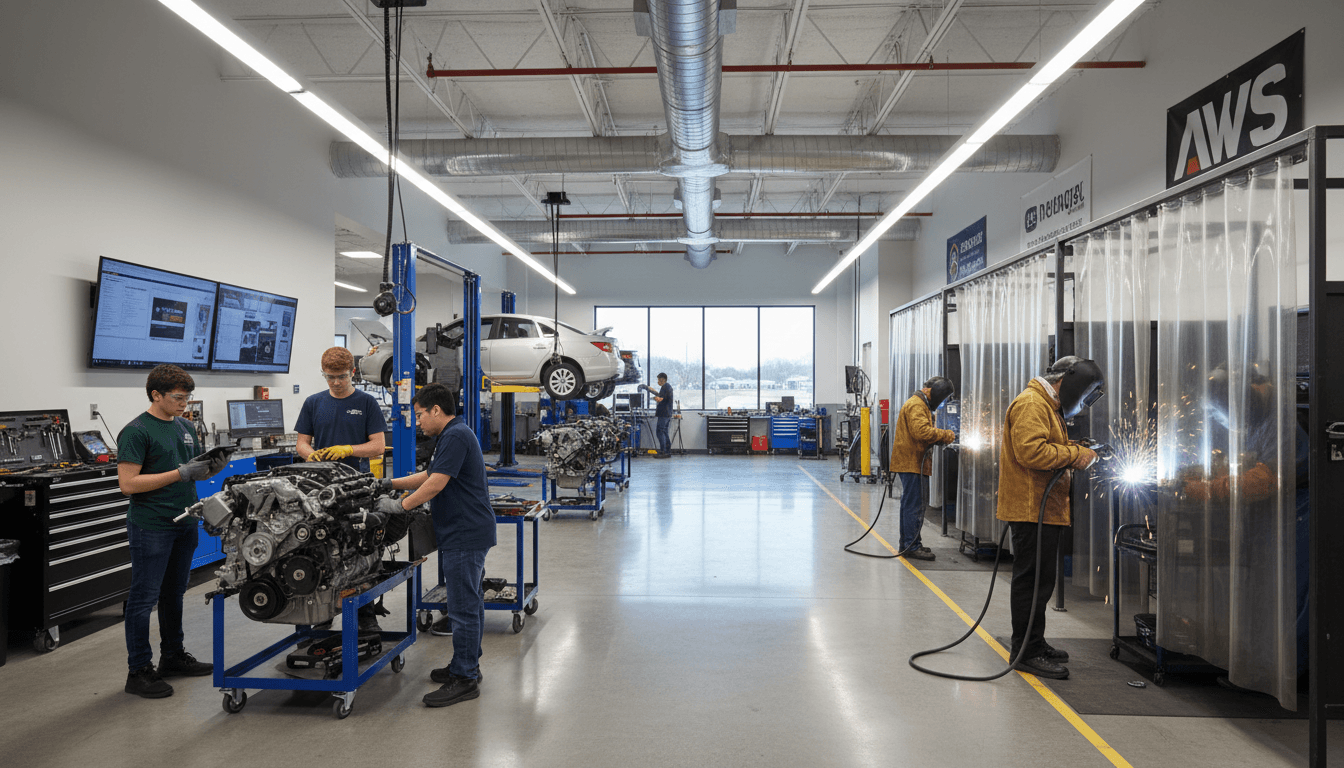
Career Technical Magnet School Newsletter: Workforce Readiness
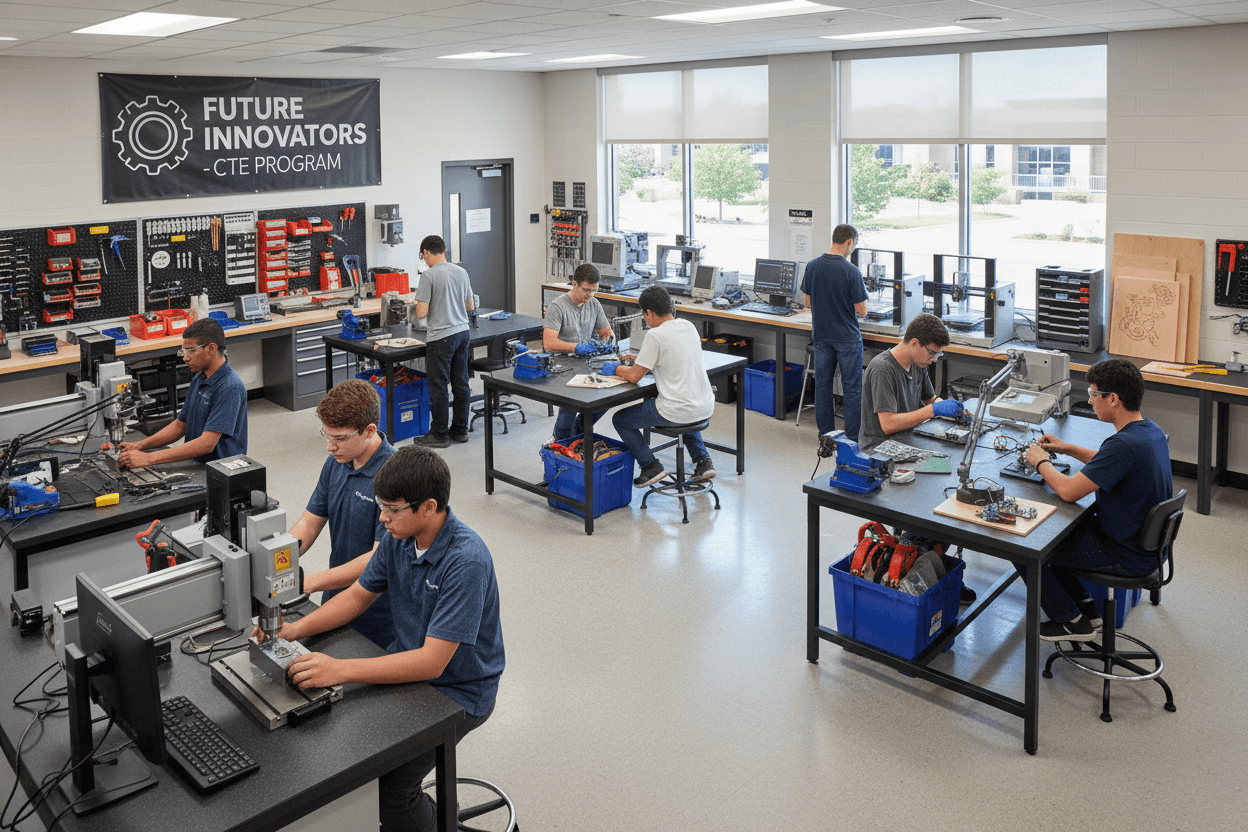
Career and technical education magnet schools make a specific promise to families: that the education their student receives will create a real, documented pathway to meaningful employment or post-secondary success. The newsletter is how coordinators demonstrate, newsletter by newsletter, that the program is keeping that promise.
Generic school news does not serve this mission. CTE families want to read about certification pass rates, employer partnerships, internship placements, and what recent graduates are doing. The newsletter that delivers that content builds program credibility and family investment in ways that no amount of event coverage can match.
Lead with workforce outcomes, not school events
The opening section of every CTE magnet newsletter should anchor to workforce outcomes. This can be a certification milestone the programme just crossed, an employer partnership that created new internship slots, a placement statistic from the previous semester, or a graduate employment story. The lead communicates what this school is ultimately for.
A newsletter that leads with a school spirit event and buries the internship placement news in the fourth section sends families the wrong signal about what the programme prioritizes. Career and technical outcomes are the headline, not the footnote.
Cover industry certifications with real specificity
Industry certifications are among the most tangible outcomes a CTE programme can deliver. The newsletter should name specific certifications students are working toward, explain what those certifications qualify graduates to do professionally, and share data on programme pass rates when available.
This specificity matters because it allows families to evaluate the programme against concrete outcomes. A newsletter that describes certifications in general terms ("students can earn industry-recognized credentials") provides far less value than one that says "students in the Medical Assistant pathway are currently preparing for the Certified Clinical Medical Assistant exam, which qualifies holders for positions at physician offices, urgent care centers, and hospital outpatient departments."
Internship and apprenticeship communication
Internship placements are the most visible proof that the CTE programme's employer relationships are real and functional. The newsletter should cover internship opportunities with enough detail that students and families understand what positions are available, what the eligibility requirements are, how students apply, and what the selection process looks like.
After placements are made, share what employers students are working with and what roles they are filling, without identifying individual students unless you have their permission. Employer names have credibility that generic descriptions do not. "Students placed at Henry Ford Health, General Motors, and Wayne County Metropolitan Airport" tells families something about the quality of the programme's industry relationships.
Feature industry partner voices directly
The most credible advocacy for a CTE programme comes from the employers who hire its graduates. The newsletter should regularly feature brief quotes or perspectives from industry partners: a quote from a supervising engineer about what makes CTE-trained interns valuable, a note from a healthcare partner describing the clinical skills students bring to their placements, or a hiring manager's perspective on why the school's graduates are competitive candidates.
Industry voices in the newsletter build credibility that no coordinator-authored content can replicate. They also signal to prospective families that the school's employer relationships are active and genuine, not historical brochure claims.
Address academic rigor alongside technical training
One of the persistent challenges CTE programmes face is the perception that technical training comes at the cost of academic preparation. The newsletter should periodically include data and stories that address this directly: dual enrollment participation rates, AP or industry certification passage alongside standard coursework, graduate college enrollment rates.
This communication is not defensive. It is accurate. The best CTE programmes are rigorous academically and technically, and families who chose the programme because of its career pathway deserve regular confirmation that the academic preparation is real. Families who are watching from the outside deserve to see the full picture before forming an opinion based on outdated assumptions about vocational education.
Showcase pathway progression across grade levels
CTE programmes are structured as multi-year pathways, and the newsletter should reflect that progression. A newsletter that only covers senior internship placements misses the opportunity to show families of younger students what their student's trajectory looks like.
Cover what ninth graders are doing in their exploratory courses, what tenth graders are experiencing in their pathway introduction, what eleventh graders are pursuing in certification preparation, and what twelfth graders are accomplishing in capstone experiences. This progression narrative helps families understand that the programme builds systematically toward the workforce outcomes it promises.
Graduate outcomes and alumni connection
The most powerful content a CTE newsletter can publish is what graduates are doing one to three years after leaving the programme. Employment rates, starting salaries, post-secondary enrollment rates, and career milestone stories give families prospective validation that the programme delivers on its long-term promise.
Build a regular alumni spotlight section that features a recent graduate's career trajectory. Keep it specific: where they work, what they do, which programme pathway prepared them, and what their assessment of the programme is looking back. This content is compelling reading for current families and persuasive evidence for prospective families who are deciding whether the CTE pathway is worth choosing.
Get one newsletter idea every week.
Free. For teachers. No spam.
Frequently asked questions
What content do CTE magnet families care most about in a newsletter?
Industry certification progress, internship and apprenticeship opportunities, and employment outcomes for recent graduates. CTE families chose this program because they want a real pathway to a career, not just academic preparation. The newsletter should reinforce that the program delivers on that promise with specific, verifiable results, not general claims about workforce readiness.
How should CTE newsletters communicate about industry certifications?
Name the certifications specifically, explain what they qualify graduates to do, and share data on pass rates when available. 'Students can earn CompTIA A+ certification' tells families something. 'Last year, 78% of qualifying seniors passed the CompTIA A+ exam on their first attempt, qualifying them for entry-level IT support roles averaging $42,000 annually' tells them something they can act on.
How do you write about internship placements without violating student privacy?
Share employer names and types of placements without naming individual students unless you have explicit written permission. 'Three students placed at regional healthcare systems, two at architectural firms, and one at a county transportation authority this semester' gives families useful information about the program's employer relationships without exposing individual students.
Should CTE magnet newsletters address the tension between academic and technical training?
Yes, directly and often. Some families, students, and community members still hold outdated views about CTE programs as less academically rigorous than college-prep tracks. The newsletter is the right place to regularly communicate that strong CTE programs are academically rigorous AND technically specialized, and that the career pathways they open are valuable regardless of whether a student pursues post-secondary education.
How does Daystage help CTE magnet schools communicate with industry partner families and employer contacts?
Daystage supports separate subscriber lists for different audiences, so CTE coordinators can send family newsletters to enrolled students' families while maintaining a separate communication channel for industry partners, mentors, and employer contacts who need different content and different communication cadences.

Adi Ackerman
Author
Adi Ackerman is a former classroom teacher and curriculum writer with 8 years in K-8 schools. She writes about school communication, parent engagement, and what actually works in real classrooms.
More for Magnet & IB
Ready to send your first newsletter?
3 newsletters free. No credit card. First one ready in under 5 minutes.
Get started free