
Kindergarten Transition Newsletter: Helping Your Child With Separation
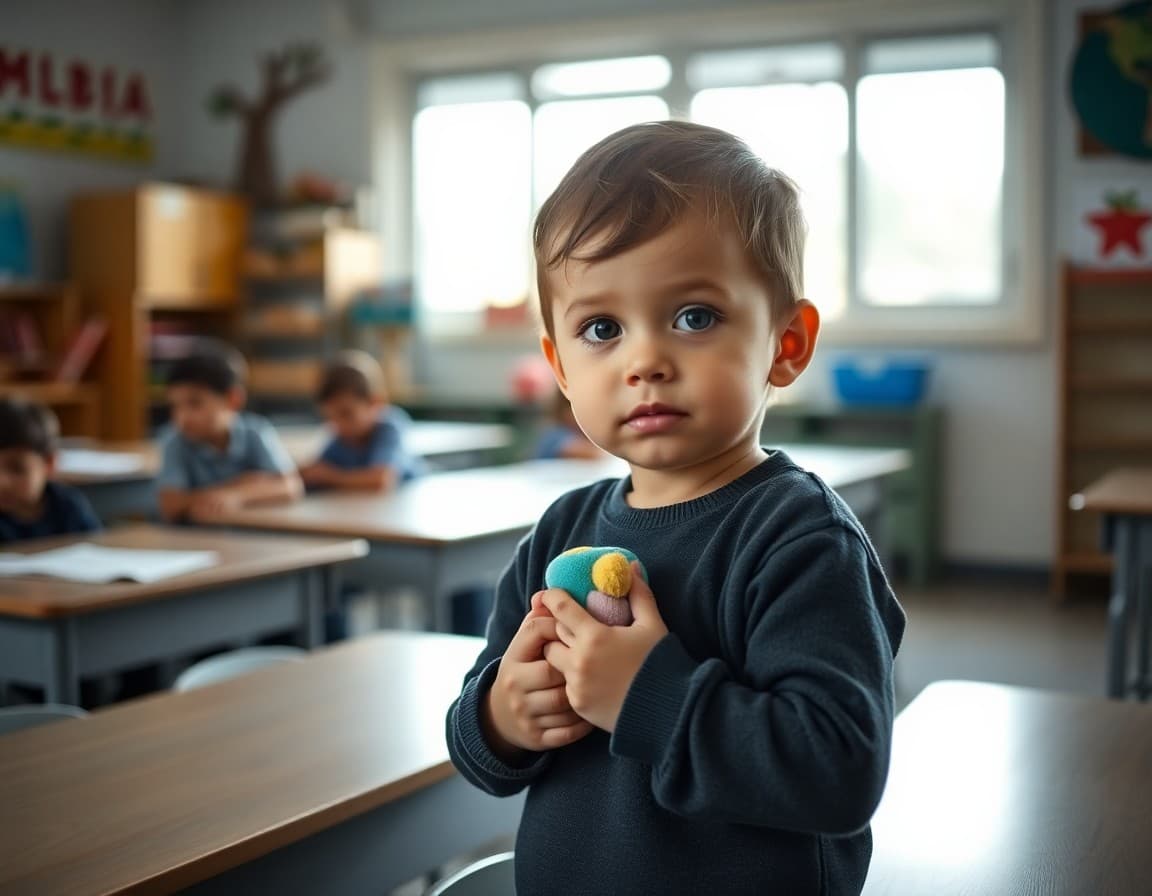
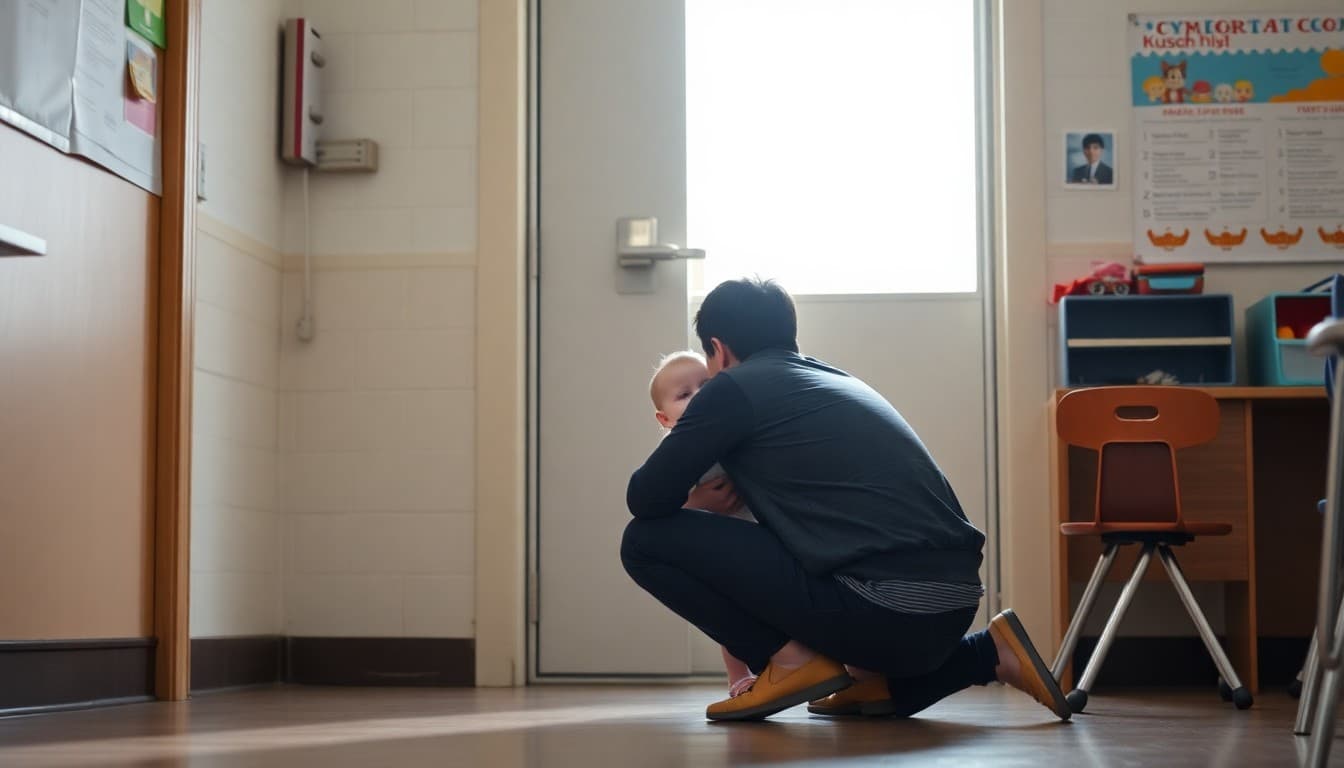
Separation anxiety at kindergarten drop-off is one of the most emotionally difficult experiences in early parenting. The child is distressed. The parent feels guilty and worried. The teacher has nineteen other children and four minutes before instruction starts. Everyone is trying their best and it still feels terrible. This newsletter covers the moves that actually help and the ones that feel right but backfire.
Why separation is hard for some children more than others
Separation difficulty in young children is tied to temperament, early caregiving history, prior school experience, and how the specific transition has been introduced. Children who are temperamentally cautious, who have not had extended experience with other caregivers, or who have had an anxious experience with a previous transition tend to show more difficulty at kindergarten drop-off.
None of these factors mean something is wrong with your child. They mean your child needs specific preparation and a consistent approach at drop-off, not a different program.
Build the ritual before the school year starts
A goodbye ritual is one of the most practical tools available for families dealing with separation difficulty. Choose something brief and memorable: three hugs, a special phrase, a knock on the door frame. Practice it at home over the summer so it is already familiar by September. The ritual signals the end of the transition and gives both of you something to do in a moment that otherwise has no clear shape.
Talk about it the night before, not the morning of
The car ride to school is the worst time to have the separation conversation. Both of you are already in the situation and the anxiety is already high. Talk the night before, calmly and specifically: "Tomorrow we will do our three squeezes, I will tell you I'll see you at pickup, and then I am going to leave. Your teacher will be right there."
Children who know what the drop-off looks like have less anxiety about it than children who are figuring it out in real time.

The goodbye: make it real and make it final
Say a genuine goodbye. Get down to eye level, use the ritual, tell your child when you will be back in concrete terms, and leave. Do not promise to come back if they are still crying, do not offer one more minute, do not say you will check on them in a little while. These are all invitations for the child to wait for you rather than to engage with the classroom.
Once you leave, leave. Do not circle the building or peek in the window. If you are worried, call the office ten minutes later and ask the teacher to send a quick update. Most children are settled and engaged long before their parent is.
When it does not improve after two weeks
Most separation anxiety at kindergarten drop-off resolves significantly within two weeks of the school year starting as the routine becomes familiar. If your child is still in significant distress at drop-off after two to three weeks, with crying that lasts more than fifteen minutes or behavior that is affecting the rest of the school day, talk to the teacher and the school counselor. There are specific school-based strategies for managing more persistent separation difficulty, and early intervention is more effective than waiting.
Take care of your own feelings too
A parent who is visibly distraught at drop-off communicates to their child that this situation is dangerous. Your child is watching your emotional state as much as they are experiencing their own. Process the difficult feelings in the car, with a friend, or with a partner, and bring the regulated version of yourself to the classroom door.
Get one newsletter idea every week.
Free. For teachers. No spam.
Frequently asked questions
Is separation anxiety at kindergarten drop-off normal?
Yes. Some degree of separation difficulty is developmentally normal at five years old, especially at the start of kindergarten. Most children who cry at drop-off settle within five to fifteen minutes of their caregiver leaving. The anxiety is not a sign of something wrong with the child or with the school. It is a sign that the attachment bond is working and that the child is processing a real transition.
What is the worst thing to do when a child is crying at drop-off?
Delay the goodbye indefinitely. Every time a parent returns to comfort a still-crying child, they reset the separation and signal that staying longer is possible. The child learns that crying brings the parent back, which makes the next drop-off harder. A clear, warm, final goodbye is always better than a series of partial goodbyes stretched over twenty minutes.
Should I sneak out when my child isn't looking to avoid a meltdown?
No. Sneaking out damages trust in a way that often makes separation harder long-term. When a child looks up and finds their caregiver gone without a goodbye, they are more anxious, not less, at the next drop-off. A goodbye, even a teary one, is better than a disappearance. Tell your child you are leaving, when you will be back, and follow through.
What is a goodbye ritual and how does it help?
A goodbye ritual is a brief, specific, repeatable routine that happens at every drop-off. Three squeezes, a secret handshake, a special phrase, whatever you and your child choose. The ritual helps because it signals the end of the transition clearly and gives both the child and the caregiver something predictable to do in a moment that feels unpredictable. Keep the ritual short, under sixty seconds, and use it consistently.
When should I talk to the teacher about my child's separation anxiety?
Early. Tell the teacher before the first day if you expect it to be difficult. Tell them again if it has not improved after two weeks. A teacher who knows what is coming can position themselves at the door, have an immediate activity ready, and send you a quick message once your child settles. Teachers cannot adjust their approach for information they do not have.

Adi Ackerman
Author
Adi Ackerman is a former classroom teacher and curriculum writer with 8 years in K-8 schools. She writes about school communication, parent engagement, and what actually works in real classrooms.
More for Kindergarten Transition
Kindergarten Transition Newsletter: First Day Tips for Families
Kindergarten Transition · 6 min read
Kindergarten Parent Newsletter: Mental Health Support At Home
Kindergarten Transition · 6 min read
Kindergarten Transition Newsletter: Building a Solid Morning Routine
Kindergarten Transition · 6 min read
Ready to send your first newsletter?
3 newsletters free. No credit card. First one ready in under 5 minutes.
Get started free