
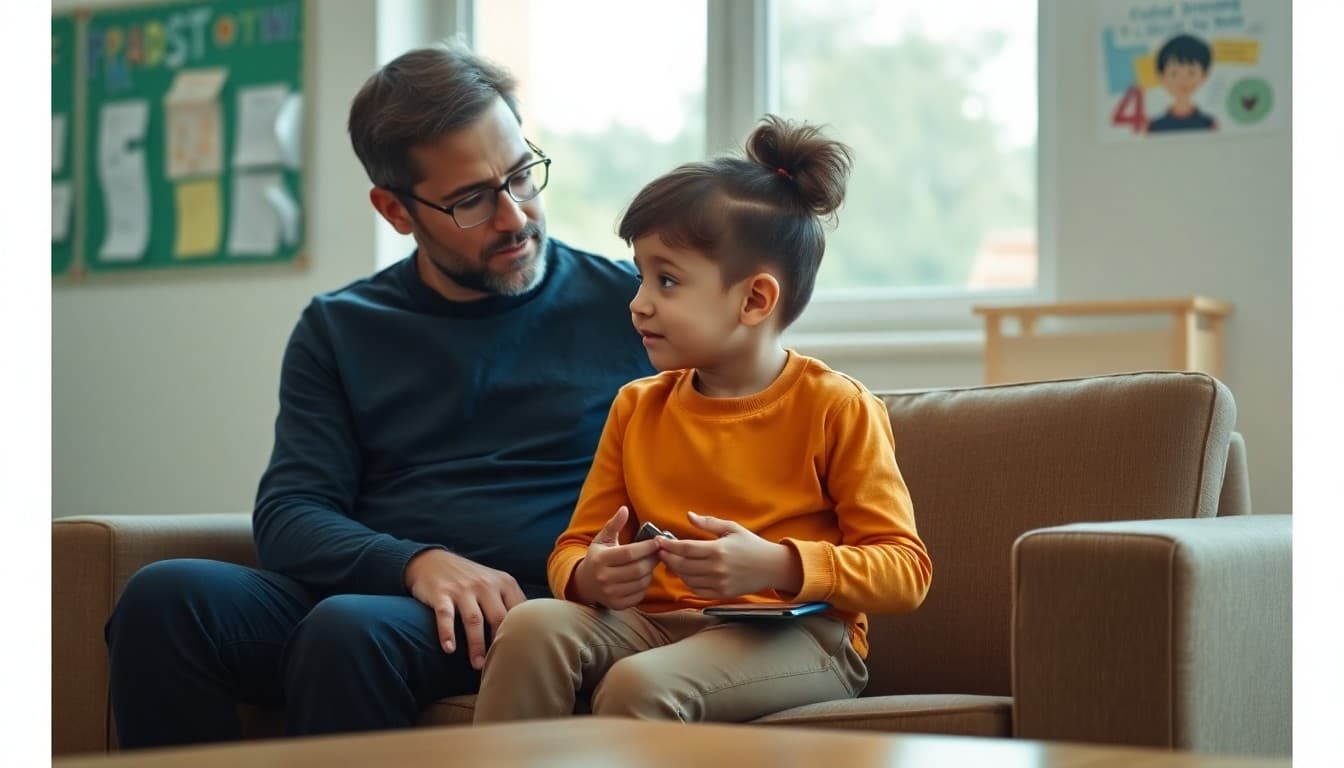
Kindergarten Parent Newsletter: Mental Health Support At Home
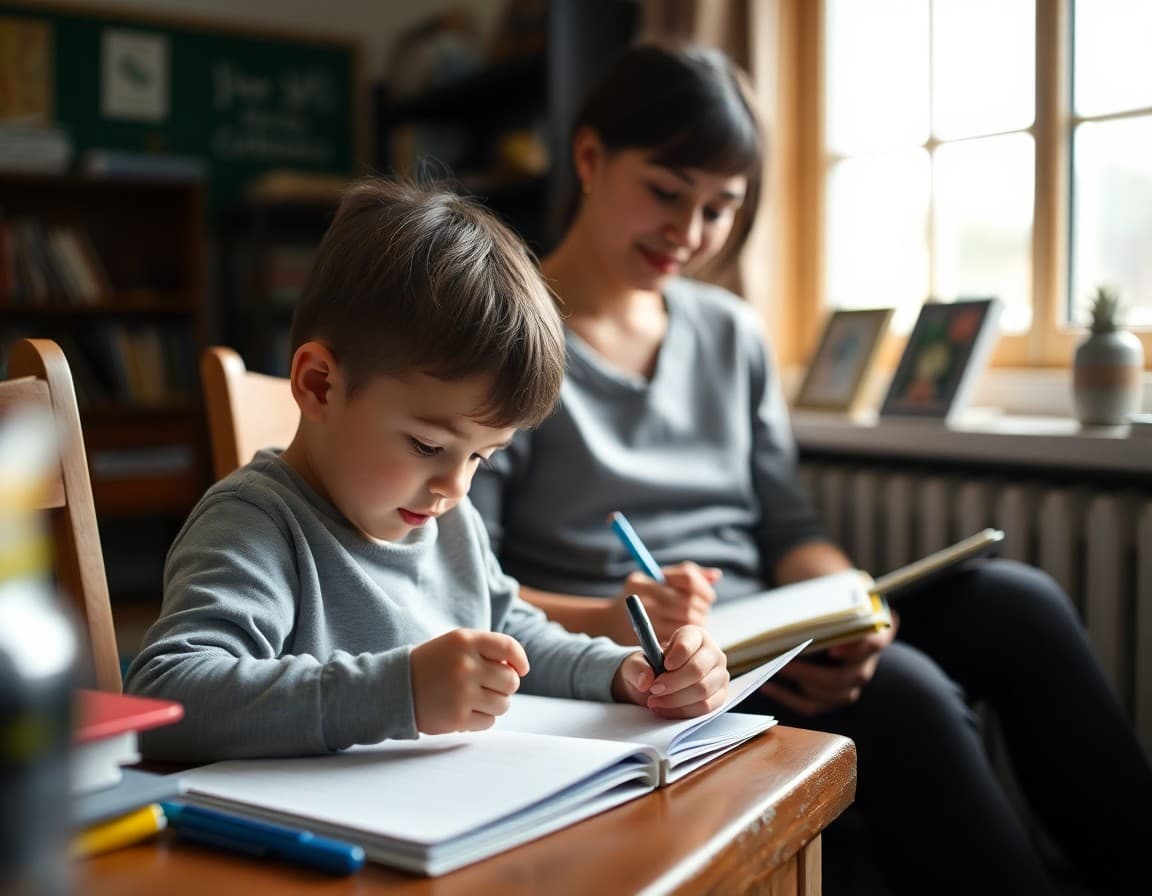
Kindergarten is a big emotional experience for most children. They are navigating a new environment, new adults, new social demands, and the separation from home all at once. For most children, these challenges are manageable with good support. This newsletter covers what that support looks like at home and what signals suggest something more than normal adjustment is happening.
Normal adjustment versus something to watch
Almost every kindergartner shows some adjustment difficulty in the first month of school. Crying at drop-off, Sunday night stomachaches, and resistance to the morning routine are all typical responses to a genuinely demanding transition. For most children, these patterns improve significantly by October as the routine becomes familiar.
Watch the trajectory, not just the current behavior. Anxiety that is slowly improving is different from anxiety that is holding steady or worsening after six weeks. The direction matters more than the current level.
Build a daily emotional check-in
A brief, low-pressure daily check-in gives your child a regular opportunity to share what they are feeling without it feeling like an interrogation. This can be as simple as a feelings chart on the refrigerator that your child points to when they get home, or a one- sentence ritual at dinner: "one thing that was good today and one thing that was hard."
The point is not to solve every problem that surfaces. The point is to build the habit of noticing and naming feelings, which is the foundational skill of emotional intelligence.
Respond to emotions before you respond to behavior
When your child has a meltdown after school or refuses to put on shoes in the morning, the behavior is visible and the emotion driving it is not. Addressing the behavior first, "stop that right now," usually escalates the situation. Addressing the emotion first, "you seem really frustrated," often deflates it.
This does not mean accepting harmful behavior. It means naming what is underneath before you address what is on the surface. "I can see you are really upset. When you are ready, we can talk about what happened." That sequence tends to produce a faster return to calm than immediate discipline.

Sleep and movement are mental health tools
The two most powerful daily influences on a kindergartner's emotional regulation are sleep and physical movement. A child who gets ten to twelve hours of sleep and at least an hour of active outdoor play is more emotionally regulated than a child who does not, everything else being equal. Before pursuing additional support, make sure these foundations are in place.
Give your child language for big feelings
Children who have words for their emotional states are better able to communicate and regulate those states. Build emotional vocabulary through books, conversation, and observation. When you see your child feeling something, name it. "You seem disappointed that we can't go to the park." Over time, the child builds a language for their inner experience that makes self-expression less physical and more verbal.
When to ask for help
If your child shows persistent anxiety that is not improving after six to eight weeks of school, significant regression in already-mastered skills, daily physical complaints without a medical cause, or behavior that is seriously affecting the family's daily life, talk to your pediatrician and the school counselor. Early support for emotional difficulties almost always produces better outcomes than waiting. There is no advantage to seeing how it goes once a clear pattern has established itself.
Get one newsletter idea every week.
Free. For teachers. No spam.
Frequently asked questions
Is it normal for kindergartners to feel anxious about school?
Yes. Some degree of school anxiety is normal at the kindergarten level, particularly in the first few months. The school environment is demanding, the social stakes feel high to five-year-olds, and the separation from home is real. A child who expresses worry about school is processing the experience. What matters is whether the anxiety is manageable, resolves once the child is in the classroom, and does not significantly interfere with daily life.
What are the warning signs that a kindergartner needs additional mental health support?
Persistent refusal to go to school that does not improve over weeks, daily physical complaints like stomachaches and headaches that have no medical cause, significant regression in skills like potty training or sleep that the child had mastered, prolonged sadness or withdrawal, and extreme behavioral outbursts that are new or escalating are all worth discussing with your pediatrician and the school counselor.
How do I talk to my kindergartner about their emotions without making things worse?
Name what you observe without asking them to explain or defend it. "I notice you've been really quiet since school today. I'm right here if you want to talk." Low-pressure openings are more likely to invite conversation than direct questions. You do not need to solve the problem in the same conversation you identify it. Sometimes being heard is enough.
Should I tell the teacher if my child is struggling emotionally at home?
Yes, and sooner rather than later. Teachers cannot adjust their approach or watch for specific things unless they know what to look for. A brief email, "She's been having a hard time with transitions this week and seems anxious about school" gives the teacher information they need. Teachers who are told tend to feel trusted; teachers who find out late often feel they missed an opportunity to help.
How does Daystage support teachers in communicating about student wellbeing with families?
Daystage makes it easy to send a warm, personalized newsletter that includes a brief note about what the class is doing to support emotional regulation, such as a morning check-in or a calm corner. When families see that the classroom has these structures, they feel more confident that their child is supported. That confidence reduces parent anxiety, which in turn often reduces child anxiety.

Adi Ackerman
Author
Adi Ackerman is a former classroom teacher and curriculum writer with 8 years in K-8 schools. She writes about school communication, parent engagement, and what actually works in real classrooms.
More for Kindergarten Transition
Kindergarten Transition Newsletter: Helping Your Child With Separation
Kindergarten Transition · 6 min read
Kindergarten Parent Newsletter: Social Skills Support At Home
Kindergarten Transition · 6 min read
Kindergarten Transition Newsletter: Health Forms Immunizations and Nurse
Kindergarten Transition · 6 min read
Ready to send your first newsletter?
3 newsletters free. No credit card. First one ready in under 5 minutes.
Get started free