
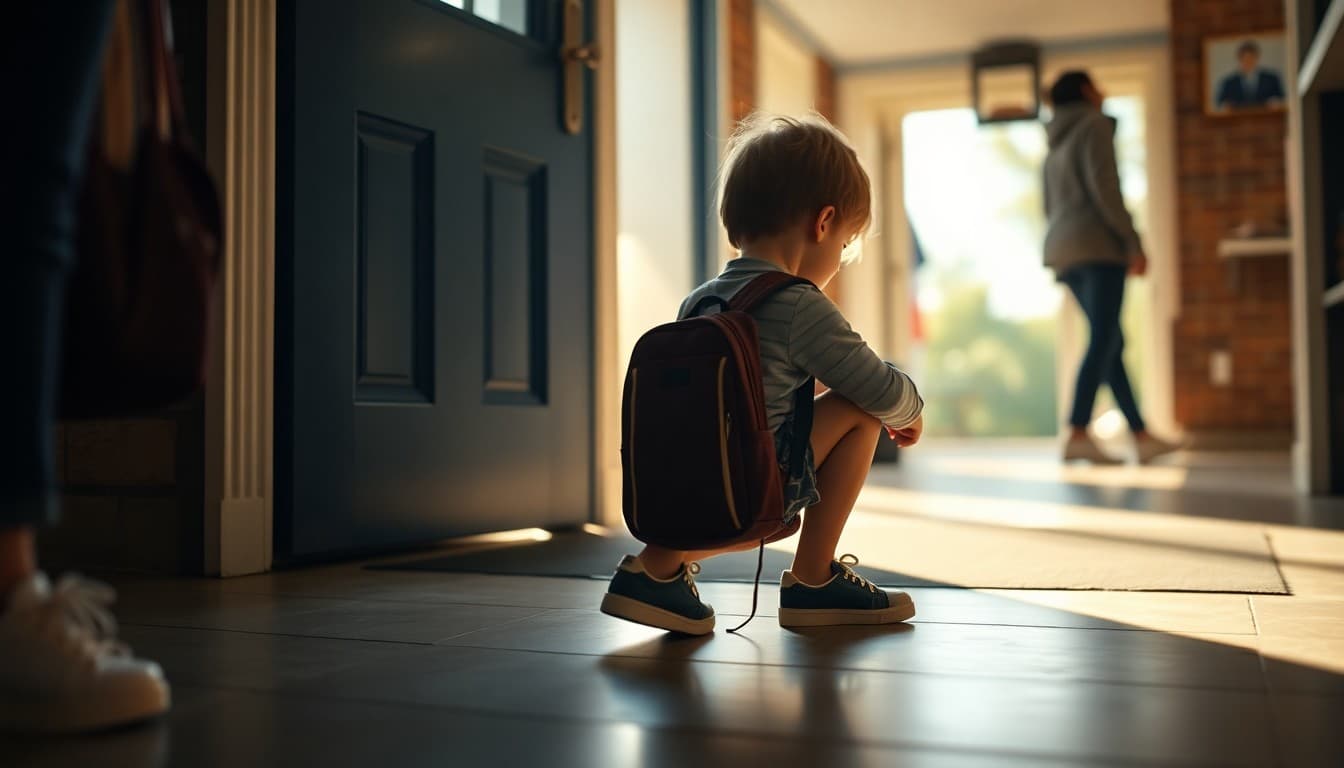
Kindergarten Transition Newsletter: Building a Solid Morning Routine

The kindergarten morning routine either runs on its own or it does not run at all. Families who build a consistent, specific sequence in August and hold to it through September and October create something that compounds: by November, the morning requires very little parental energy because the child knows what comes next. This newsletter covers how to build that system.
Start before school does
The biggest mistake kindergarten families make with the morning routine is starting it on the first day of school. A child who has been waking up at seven-thirty for two weeks before kindergarten starts arrives on day one with a functional body clock. A child doing it for the first time on the first day has their circadian rhythm fighting against them in addition to everything else.
Start the school wake-up time two to three weeks before school begins. You do not need to do the full routine. Just get the sleep schedule adjusted so the alarm is not a shock on day one.
Do the decisions the night before
Every decision that has to be made in the morning takes time and can become a conflict. Clothes choice, backpack contents, lunch preparation: these belong in the evening. A child who goes to bed with tomorrow already set up has almost nothing to decide or locate in the morning.
Make packing the backpack the child's job, with your check. Children who pack their own backpack are more aware of what is in it. The habit builds independence and prevents the ten a.m. panic about a missing water bottle.
Build a visual sequence
Create a simple morning sequence chart and post it at the child's eye level. It can be pictures for non-readers, words for early readers, or a combination. The sequence should cover everything from wake-up to out the door in order. When your child knows the sequence, they can move through it without waiting for a verbal cue from you.

Build in buffer time
Kindergartners are slow in the morning. Their fine motor skills are still developing, their decision-making takes longer than an adult's, and many are not fully alert for the first hour after waking. A routine that assumes they will move at your pace will always be behind.
Add fifteen to twenty minutes to whatever time you think you need. The first few weeks will use it. By winter, it will often be buffer time. Buffer time in the morning feels like luxury. Rushing a kindergartner at seven-fifty a.m. is one of the harder emotional experiences of early parenting.
Protect the routine on hard days
A routine that only exists when things are going smoothly is not really a routine. The value of a morning routine is precisely that it runs the same way when someone is tired, when there was a nightmare, when there is resistance. Protect the sequence and the timing on hard days as much as on easy ones.
When the morning breaks down
Some mornings fall apart despite good preparation. Stay calm, triage what actually needs to happen to get out the door, and let the non- essential things go. A child who arrives at school having had a calm, connected three-minute goodbye is in better shape than one who arrived on time having had a chaotic, stressed sendoff. The quality of the goodbye matters.
Get one newsletter idea every week.
Free. For teachers. No spam.
Frequently asked questions
When should I start building the kindergarten morning routine?
Two to four weeks before school starts. The first day of kindergarten is the worst possible time to introduce a new morning routine. A child who has been waking up on a school schedule and following the same morning sequence for three weeks walks into the first day with a routine already established. A child doing it for the first time on the first day of school has one extra thing to manage in an already overwhelming experience.
How do I get my kindergartner to move faster in the morning?
Use a visual checklist on the wall instead of verbal reminders. A list of pictures or words showing each step in the sequence, wake up, get dressed, eat, brush teeth, backpack on, out the door, shifts the authority from your voice to the system. Children who are following a checklist tend to move through steps faster than those responding to parental requests. Add a timer for older kindergartners.
What is the most important thing to do the night before?
Pack the backpack and lay out clothes. Every decision made the night before is one fewer decision under time pressure in the morning. A child who already knows what they are wearing and has their backpack ready at the door loses one of the most common morning conflict points. Make it the child's responsibility, with adult oversight, from the first week of school.
What if my child is impossible in the morning?
Look at the sleep schedule first. A kindergartner who is going to bed too late or getting less than ten hours of sleep will be harder to wake and more difficult during the morning routine regardless of what system you use. Address the sleep before you address the behavior. Most "impossible morning" children become significantly more manageable once the sleep is right.
How does Daystage help teachers share morning routine guidance with kindergarten families?
A pre-school newsletter sent through Daystage in August can include a simple morning routine framework and a printable checklist image that families can post on the wall. That single newsletter, sent before school starts, can reduce first-week morning chaos for dozens of families simultaneously. Teachers who use Daystage regularly communicate these practical tips without extra effort.

Adi Ackerman
Author
Adi Ackerman is a former classroom teacher and curriculum writer with 8 years in K-8 schools. She writes about school communication, parent engagement, and what actually works in real classrooms.
More for Kindergarten Transition
Ready to send your first newsletter?
3 newsletters free. No credit card. First one ready in under 5 minutes.
Get started free