

Kindergarten Parent Newsletter: School Night Sleep Schedule Tips
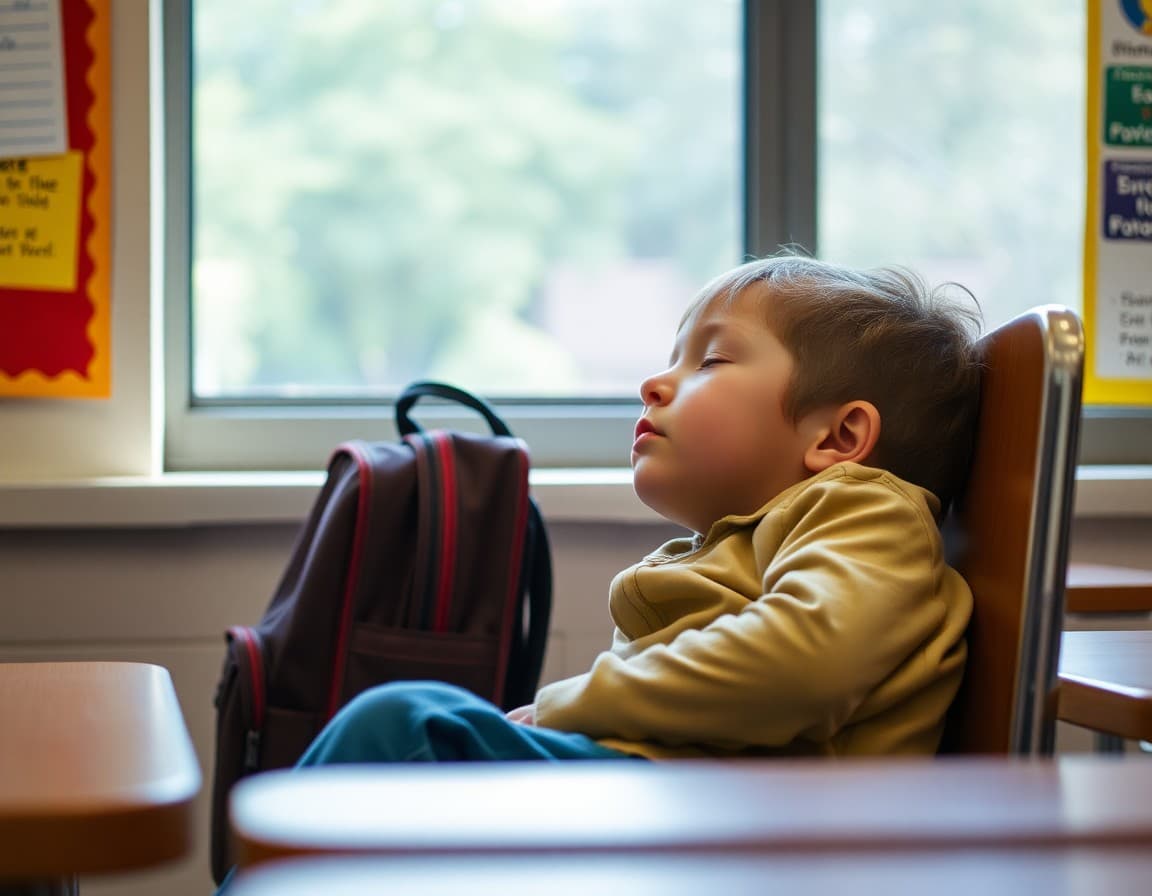
Sleep is not a soft topic in kindergarten. It is one of the most direct influences on how your child performs, behaves, and feels every school day. A well-rested kindergartner and a chronically underslept one in the same classroom are almost unrecognizable as the same child. This newsletter covers what the research says, what actually works for bedtime routines, and what to do on the nights when the whole thing falls apart.
How much sleep kindergartners actually need
Children aged five to six years need ten to twelve hours of sleep every night. That number surprises a lot of families because it means most kindergartners should be asleep by eight p.m. if they wake up at six or six-thirty. Compare that to the actual bedtime in many households and the gap often explains a lot about difficult mornings and afternoon meltdowns.
Ten hours is the floor, not the average. Some children genuinely need eleven or twelve. Pay attention to whether your child wakes naturally before the alarm, which is a sign they are getting enough sleep, or whether mornings are always a battle, which usually means they are not.
Build the same routine every night
The single most effective tool for improving kindergartner sleep is a predictable bedtime routine. The sequence matters less than the consistency. Whether your routine is bath, teeth, story, lights out or dinner, jammies, reading, singing, it needs to happen in the same order at roughly the same time every night.
The routine works because it signals to the nervous system that sleep is coming. Over two to three weeks of consistent practice, the routine itself becomes a trigger for drowsiness. Children who have a reliable routine fall asleep faster and wake up less often than those who go to bed at different times or in different ways each night.
Start earlier than you think you need to
Most kindergarten families start the bedtime routine thirty minutes before they want the child asleep. That is almost never enough. Build in forty-five minutes to an hour, particularly in the first months of school when children are more depleted and the routine is newer. A child who is truly exhausted by six p.m. needs to be in the routine by five- thirty, which feels counterintuitive but works.

Cut screens an hour before bedtime
Screens in the hour before bed delay sleep onset in most children this age. The light from screens suppresses melatonin production and the content, even calm content, keeps the brain activated. Replacing the pre-bed screen with a book, a quiet game, or calm conversation makes a measurable difference in how quickly your child falls asleep.
This is one of the hardest changes to make because screens are convenient in the evenings. But the payoff in sleep quality and morning ease is usually significant enough that most families who try it do not go back.
What to do when a school night goes off the rails
Late events, sick siblings, daylight savings time, and travel all disrupt bedtime. When a school night sleep is short, do not try to compensate by letting the child sleep in the next morning. A later wake-up shifts the whole next day's schedule and often makes the next bedtime harder. Stick to the regular wake time, get through the day, and rely on the next night to recover.
A note about the start of the school year
The first few weeks of kindergarten are among the most tiring periods in a young child's life. If your child has never been in full-day school before, the fatigue can feel alarming. Crying at bedtime, waking at night, and resistance to the routine are all common in September and October as children adjust to the new schedule. Keep the routine steady, prioritize sleep over everything else on school nights, and most children find their footing within four to six weeks.
Get one newsletter idea every week.
Free. For teachers. No spam.
Frequently asked questions
How much sleep does a kindergartner need on school nights?
Most kindergartners need ten to twelve hours of sleep per night. For a child who needs to be up at six-thirty a.m., that means a bedtime between six-thirty and eight-thirty p.m. Most families land closer to seven-thirty or eight p.m. as a target. When children consistently get less than ten hours, attention, emotional regulation, and behavior in school all suffer noticeably.
My kindergartner fights bedtime every night. What should I do?
Consistent routine is the most effective long-term fix for bedtime resistance. A predictable sequence of events, bath, pajamas, teeth, story, lights out, signals to the child's brain that sleep is coming. It takes two to three weeks of consistent implementation before the routine does its job. Changing the routine frequently or making exceptions undermines the habit. Hold the line calmly and the resistance usually reduces over time.
Why is a tired kindergartner harder to manage at school than at home?
School asks children to regulate themselves in a room with twenty other children, follow instructions from an adult they are still getting to know, and perform cognitive tasks for hours at a time. All of that requires the prefrontal cortex to work well. Sleep deprivation is one of the fastest ways to impair that exact function. A tired kindergartner at home can often be distracted or redirected; a tired kindergartner in a classroom has fewer coping resources available.
Should kindergartners still nap?
Some kindergartners, particularly those who are young for their grade, still need a nap. If your child falls asleep in the car on the way home from school regularly, that is useful information. A twenty-to-thirty minute rest period after school, not in the car, can help these children get through homework and dinner without a complete meltdown. But watch the timing: napping after four p.m. often delays bedtime.
How does Daystage help teachers share sleep and wellness tips with kindergarten families?
Daystage makes it easy to include a brief wellness tip in each weekly newsletter without adding to the teacher's workload. A short note about the sleep-behavior connection, sent at the start of a hard week, gives families practical context for what teachers are observing in class. The connection between home habits and classroom behavior is easier to address when communication is consistent and personal.

Adi Ackerman
Author
Adi Ackerman is a former classroom teacher and curriculum writer with 8 years in K-8 schools. She writes about school communication, parent engagement, and what actually works in real classrooms.
More for Kindergarten Transition
Ready to send your first newsletter?
3 newsletters free. No credit card. First one ready in under 5 minutes.
Get started free