

Kindergarten Parent Newsletter: School Morning Routine Tips
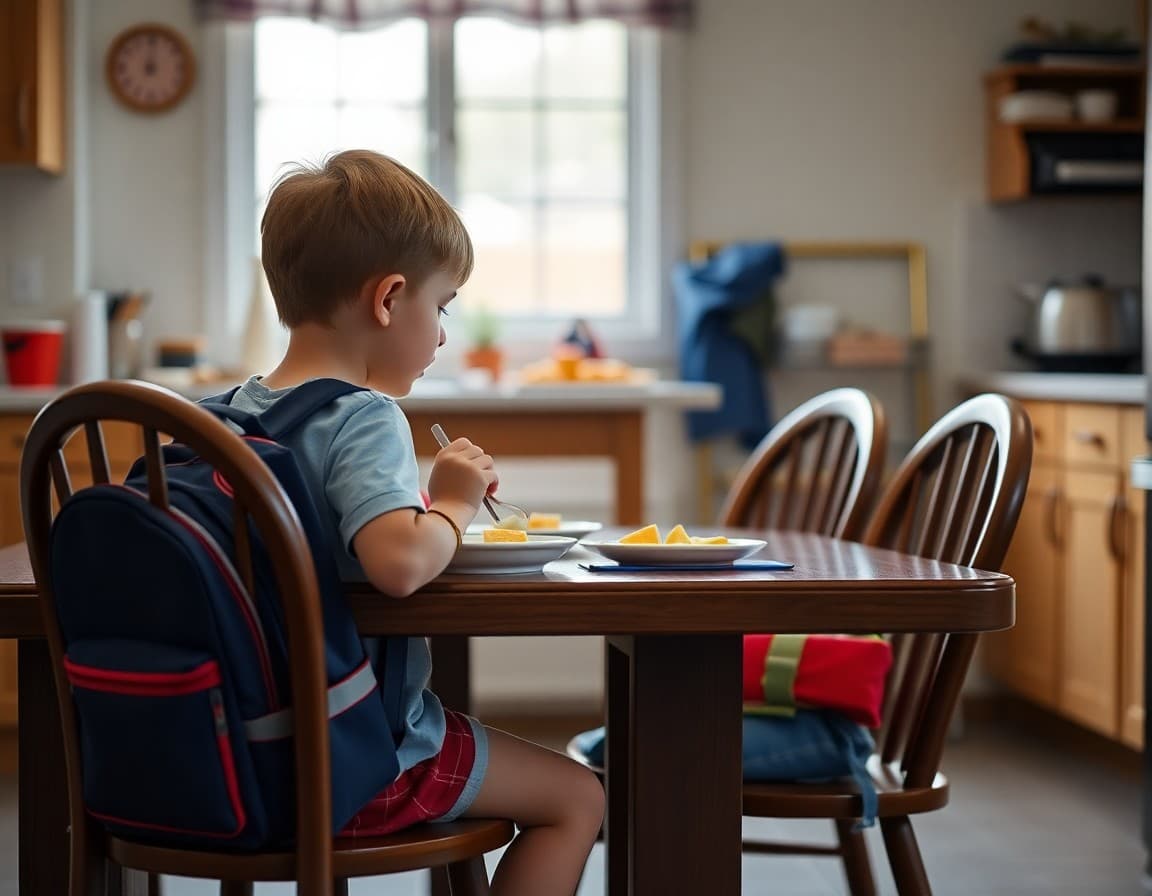
The school morning with a kindergartner is one of the most reliably stressful parts of the family week. It does not have to be. Most morning chaos traces back to the same two or three things: too little sleep, too many decisions happening at the wrong time, and not enough runway. This newsletter covers the changes that actually fix it.
Win the morning the night before
The most reliable predictor of a smooth kindergarten morning is how much was handled the night before. Clothes chosen and laid out, backpack packed, lunch made or money in the envelope, permission slip signed and in the folder, these tasks are fast and low-stakes when done at eight p.m. and chaotic when done at seven-fifteen a.m.
Spend five to ten minutes before your child's bedtime going through the backpack and setting up for the morning. Make it your child's job, with your supervision, to do the packing. Children who pack their own backpack are significantly less likely to forget things than children whose parents pack for them.
Build in real time
Kindergartners are slow in the morning. This is not defiance; it is development. Fine motor skills are still building, decisions take longer to process, and most five-year-olds wake up in a different gear than they will maintain by mid-morning. Plan for the real time your child needs rather than the ideal time.
If your child needs to leave at eight-fifteen, work backward from there. If shoes and backpack take ten minutes, add that time. If breakfast takes twenty minutes, add that. Most kindergarten families discover they need to start the morning sequence at least an hour before departure.
Use a visual routine chart instead of your voice
Verbal reminders from a parent are less effective than a visual chart that the child can read themselves. Post a simple sequence of pictures or words on the wall at child height: wake up, get dressed, eat breakfast, brush teeth, backpack on, shoes on, out the door. Let your child check off each step as they complete it.
The chart works because it shifts the authority from the parent to the system. The child is meeting the chart's expectations, not the parent's. That small shift in framing reduces resistance in many children who particularly resist being told what to do by a person.

The breakfast rule
Children who eat breakfast perform better cognitively in the morning school hours. But battles over breakfast are almost never worth it. If your child is not hungry immediately after waking, offer something small: a piece of fruit, a handful of cereal, a piece of toast. Something is better than nothing, and a low-stakes breakfast is better than a full meal they do not want.
Do not let breakfast become a power struggle. A child who arrives at school having eaten a small breakfast is in better shape than one who arrived having won a battle with their parent before eight a.m.
When screens are part of the morning, manage the transition
If screens are part of your morning, the transition off them is often where mornings derail. Give a five-minute warning before the screen goes off, follow through on the warning, and have the next step already waiting. "When the show ends, we get shoes on" is clearer than "turn it off now because we're going to be late."
Stay calm when it goes wrong
Some mornings fall apart despite good preparation. The meltdown happens, the shoe cannot be found, the child refuses to get in the car. When this happens, do not escalate. A calm parent keeps a bad morning from becoming a bad day. Your child's emotional state when they walk into the classroom matters more than whether you left on time. A few deep breaths in the car before drop-off can reset a difficult morning faster than a ten-minute conflict over getting dressed.
Get one newsletter idea every week.
Free. For teachers. No spam.
Frequently asked questions
What is the biggest reason kindergarten mornings fall apart?
Usually it is trying to do at seven a.m. what could have been done the night before. Deciding what to wear, packing the backpack, looking for the permission slip, finding a matching shoe, these are all tasks that belong in the evening. When they happen in the morning under time pressure with a tired child, they become the source of meltdowns and missed buses.
How much time does a kindergartner need in the morning?
More than you think, and more than older children need. Kindergartners move slowly in the morning. Getting dressed, eating breakfast, brushing teeth, and getting shoes on can take forty-five minutes to an hour for a child who is not being rushed. If you are trying to get it done in twenty minutes, both of you will be frustrated. Build in the full hour and protect it.
How do I get my kindergartner to move faster without constant nagging?
Replace verbal nagging with a visual checklist on the wall. A simple list with pictures or checkboxes, wake up, get dressed, eat breakfast, brush teeth, backpack on, works because the checklist does the reminding instead of you. Children who can see their progress on a list tend to move through the sequence faster than those who are responding to a parent's verbal instructions.
My child refuses to eat breakfast before school. What should I do?
Try eating something small rather than making it a full meal. A banana and a piece of toast takes three minutes and gets something in their system. A child who truly cannot eat first thing in the morning can sometimes handle food in the car or just before entering school. Talk to the teacher about the school's snack policy if this is a consistent issue.
How does Daystage help teachers share morning routine tips with kindergarten families?
Daystage lets teachers include practical family tips in their weekly newsletter without extra formatting effort. A brief morning routine section in the first September newsletter, along with a simple visual checklist families can print, gives families tools before the school year starts rather than after the meltdowns have already started.

Adi Ackerman
Author
Adi Ackerman is a former classroom teacher and curriculum writer with 8 years in K-8 schools. She writes about school communication, parent engagement, and what actually works in real classrooms.
More for Kindergarten Transition
Ready to send your first newsletter?
3 newsletters free. No credit card. First one ready in under 5 minutes.
Get started free