
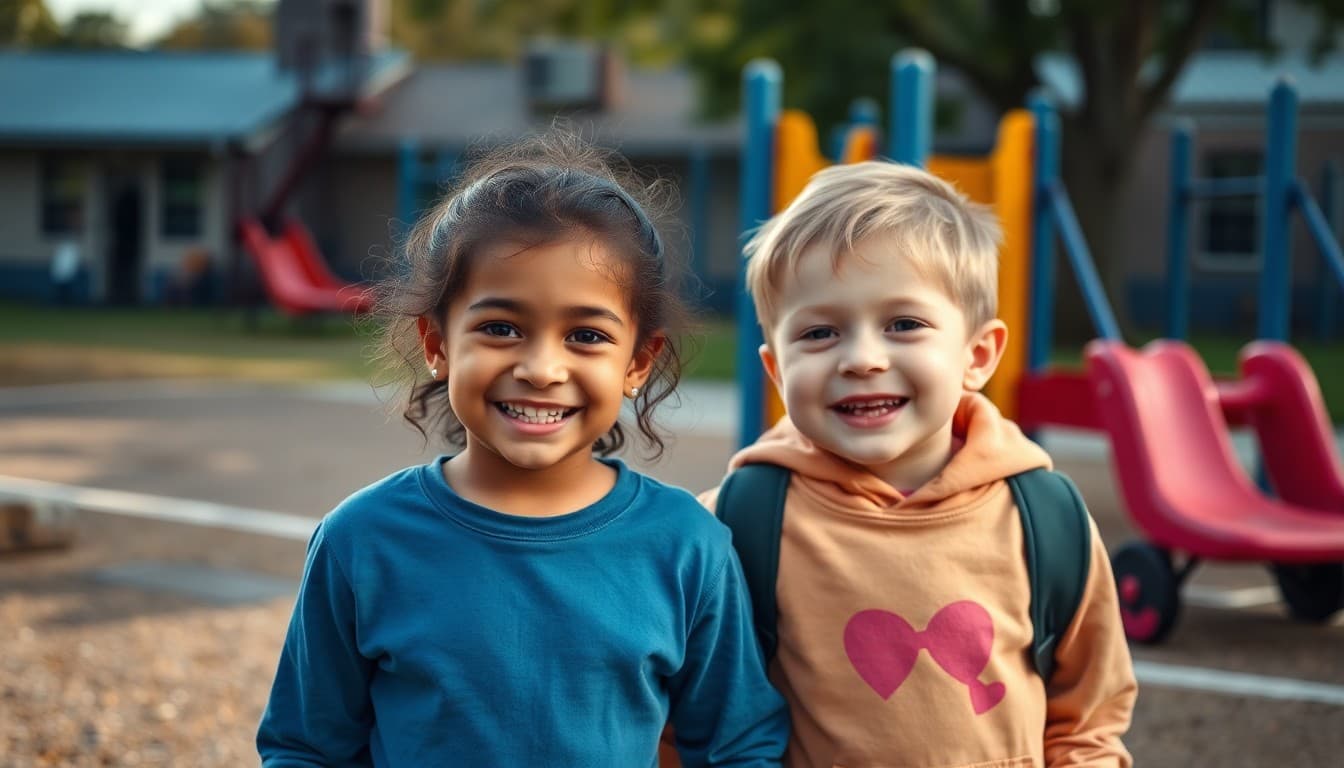
Kindergarten Transition Newsletter: How to Help Your Child Make Friends
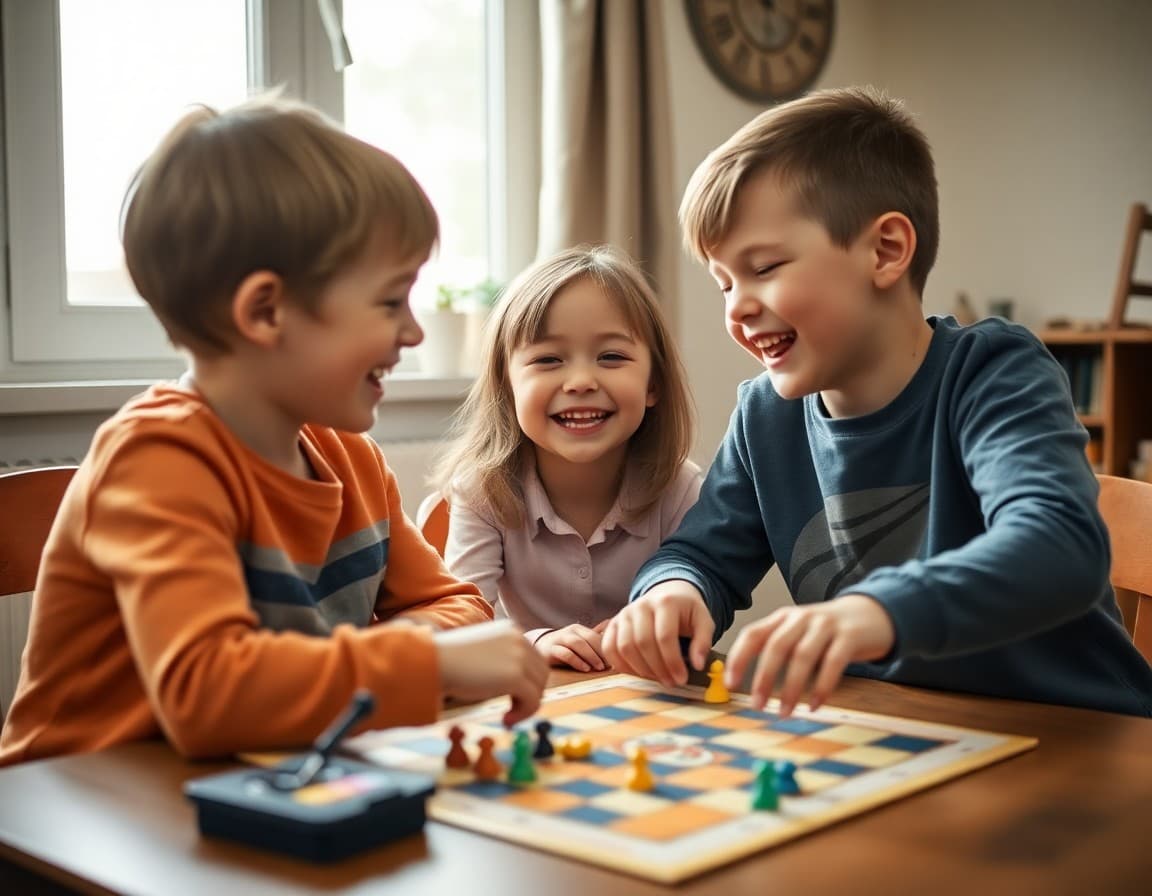
Watching your child navigate the social world of kindergarten from a distance is one of the more anxious parts of the first school year. You cannot choose their friends or sit beside them at lunch. What you can do is prepare them with specific skills, facilitate connections outside school, and help them understand what friendship looks like at this age.
How kindergarten friendship actually forms
Kindergarten friendship is almost never formed through an explicit conversation. It forms through proximity and shared activity. Two children building something in the same area drift into building together. Two children who always end up near each other at center time start to seek each other out. Friendship at this age is concrete and activity-based.
This is useful information for families because it means the question to ask is not "did you make a friend today?" but "who did you sit next to, who were you near on the playground, who was doing the same thing you were doing?" The friendship often already exists; the child just has not named it yet.
Teach the entry move
One of the hardest social moments for kindergartners is joining an activity that is already in progress. Children who do not know how to enter a group often hover at the edge, which reads to the other children as not wanting to join.
Practice the specific move at home: watch what others are doing, find a way to fit in without disrupting it, do a parallel version of the same activity nearby before trying to join directly. For a child who is hesitant, this concrete approach is more useful than a general encouragement to go make friends.
The playdate as a friendship accelerator
Playdates outside school move friendships forward faster than any amount of classroom time. The one-on-one context is less socially demanding, the environment is controllable, and the time together creates a shared history that strengthens the school connection.
Ask your child who they want to play with. Ask the teacher who your child gravitates toward. Set up the playdate early in the year, keep it short, and let the children lead. Do not over-program it with activities. The unstructured play is where friendship develops.

When your child says nobody likes them
This is one of the more heart-wrenching things a parent hears. And it is almost never literally true. A child who had a conflict at recess, was told "you can't play" once, or did not find anyone to sit with at lunch will sometimes report this as global rejection.
Acknowledge the feeling before you correct the thinking. "That sounds really lonely. Tell me what happened." Get the specific story before you draw conclusions. Then ask the teacher for their observation. The mismatch between the child's report and the teacher's observation is often significant.
For children who are genuinely struggling socially
If your child is consistently excluded, consistently plays alone, or consistently reports negative social experiences after more than four to six weeks of school, talk to the teacher and the school counselor. Some children benefit from targeted social coaching, small group activities designed to build peer connections, or a teacher who facilitates a specific introduction. The earlier this support begins, the better the outcome.
Model friendship yourself
Children learn how relationships work from watching the adults in their lives. The way you handle conflict with a friend, repair after an argument, and show up for people you care about teaches your child more about friendship than any direct instruction.
Get one newsletter idea every week.
Free. For teachers. No spam.
Frequently asked questions
At what point in kindergarten should my child have a friend?
There is no single timeline, but by November most children have at least one peer they seek out regularly. If your child is three months into kindergarten and reports that no one wants to play with them or that they always play alone, it is worth asking the teacher to observe at recess and lunch. Some children need light facilitation from a teacher to make their first connection.
How do kindergartners actually make friends?
By doing the same thing at the same time next to someone else. Kindergarten friendship is almost never initiated by a formal "do you want to be my friend" conversation. It starts with parallel play, two children building blocks in the same area, and progresses into shared play when one of them says "let's make a tower." Proximity and shared activity are the building blocks of kindergarten friendship.
My child says they have no friends. How do I know if that is true?
Ask the teacher. Children's self-reports about their social lives are often inaccurate at this age, not because they are lying but because they cannot yet accurately assess social dynamics. A child who had a conflict at lunch and calls themselves friendless is not describing a permanent state. A teacher's observation over days is much more reliable than your child's post-school report.
Should I set up playdates for my kindergartner?
Yes, and early in the school year. The one-on-one playdate is a more controlled social environment than the classroom or playground and gives children a chance to build a specific connection that carries back into school. Keep early playdates short, around ninety minutes, have food ready, and let the children lead the play. Structured activities can help children who struggle to initiate play.
How does Daystage help teachers support friendship and social connection in the classroom?
A kindergarten teacher using Daystage can include a social update in their weekly newsletter that helps families understand the classroom social climate. Information like "we worked on collaborative building this week and students are making great connections" gives parents context for their child's social reports and talking points for the after-school conversation.

Adi Ackerman
Author
Adi Ackerman is a former classroom teacher and curriculum writer with 8 years in K-8 schools. She writes about school communication, parent engagement, and what actually works in real classrooms.
More for Kindergarten Transition
Kindergarten Transition Newsletter: Social Skills Your Child Needs
Kindergarten Transition · 6 min read
Kindergarten Parent Newsletter: Social Skills Support At Home
Kindergarten Transition · 6 min read
Kindergarten Transition Newsletter: What to Expect in Your Child's Class
Kindergarten Transition · 6 min read
Ready to send your first newsletter?
3 newsletters free. No credit card. First one ready in under 5 minutes.
Get started free