
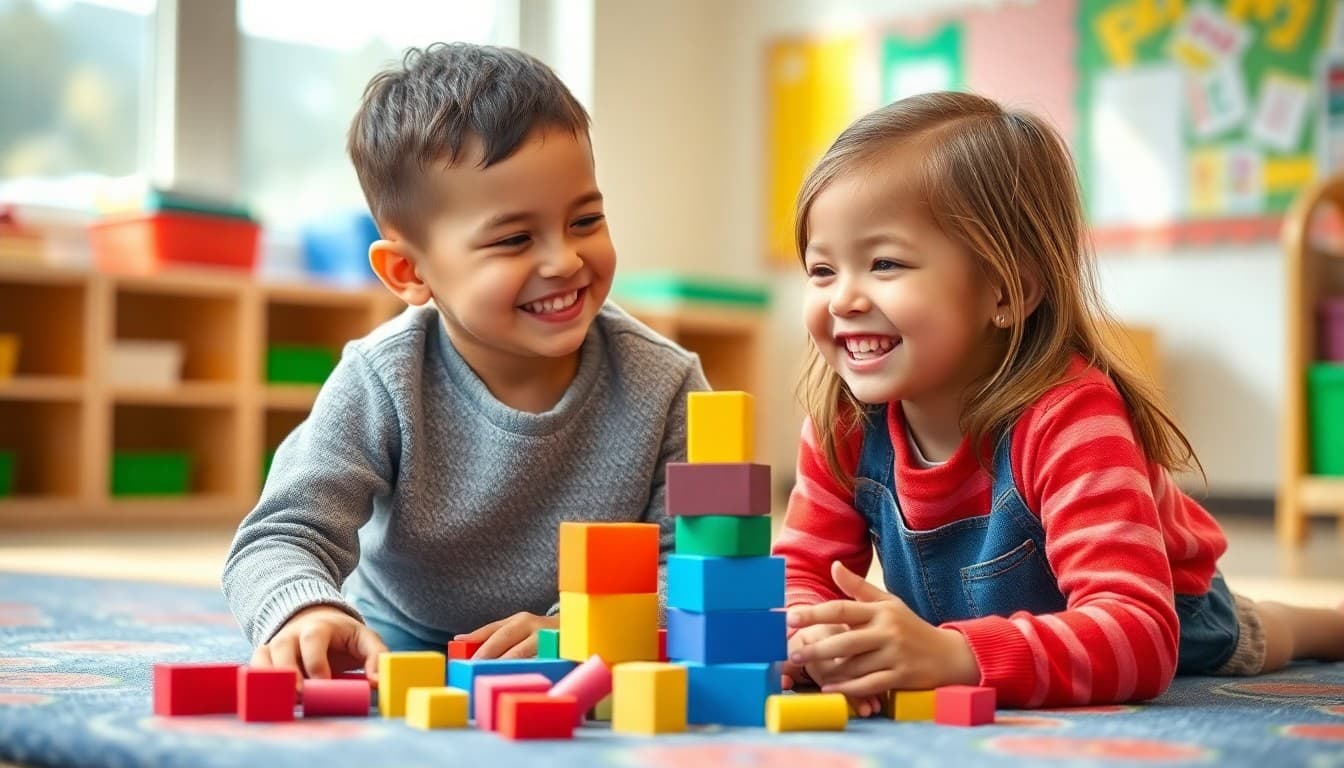
Kindergarten Parent Newsletter: Social Skills Support At Home
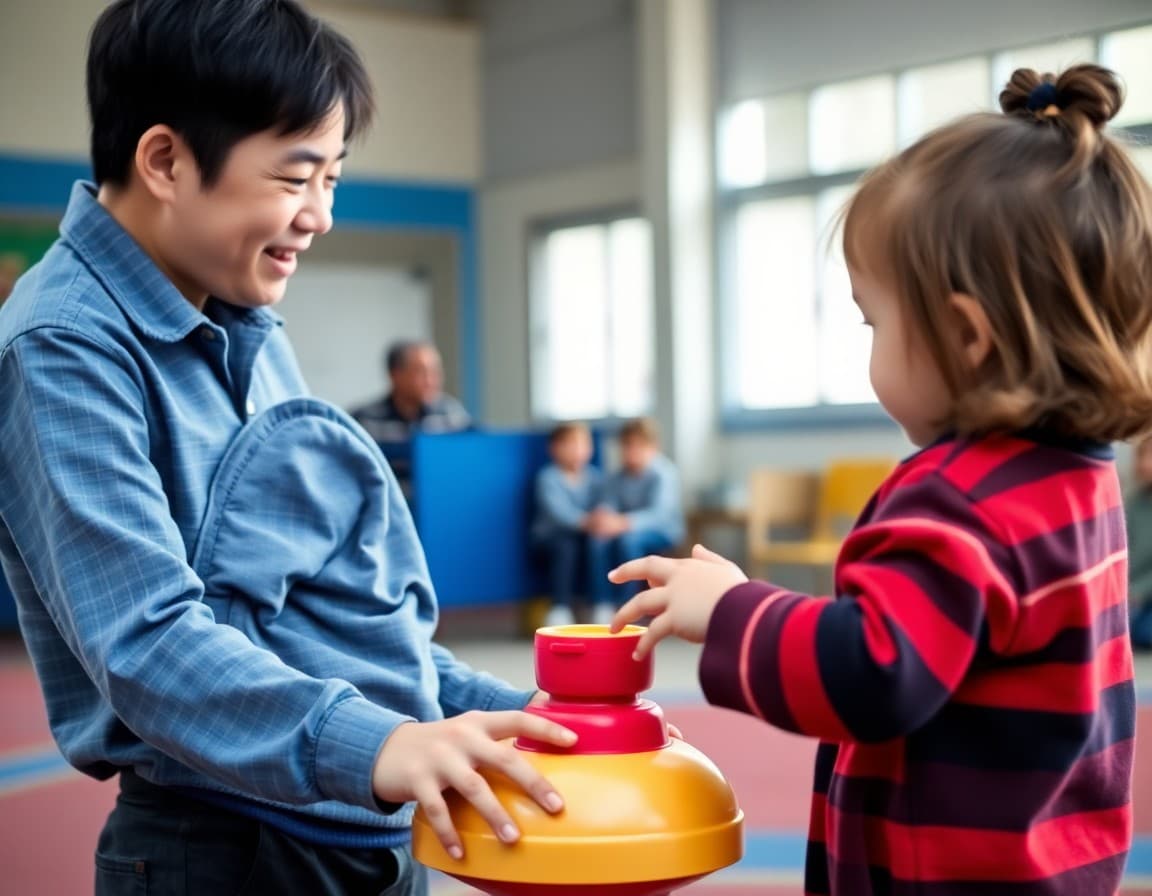
Social skills are not separate from academic success in kindergarten. They are the foundation of it. A child who cannot take turns, resolve a conflict, or ask for help from a teacher is going to have a much harder time accessing the learning the classroom offers. This newsletter covers the skills that matter most and the most effective ways to build them at home.
The skills kindergartners need most in school
Kindergarten teachers consistently report that the social skills that most determine a child's school experience are not the ones parents expect. Reading readiness and number sense matter, but the children who thrive socially and academically in kindergarten tend to have these specific skills: they can wait for their turn without dissolving, they use words to express frustration instead of grabbing or hitting, they can join a group activity without disrupting it, and they can handle losing without a crisis.
If you notice a gap in any of these areas, it is worth practicing at home specifically. The classroom is not the most efficient place to learn these skills for the first time.
Practice turn-taking through games
Board games are one of the most efficient turn-taking training tools available. The structure of a game, you wait, then I go, then you wait, then I go, gives children practice with patience and delayed gratification in a context that is motivating. Even simple card games and simple dice games build this skill.
Let your child lose sometimes. A child who has never experienced losing a game with support from a trusted adult is poorly prepared for losing on the playground. The supported loss, the version where you help your child get through the feeling, is more valuable than the protected win.
Give them words for their feelings
Children who have vocabulary for their emotional states handle social conflicts better than those who do not. "I'm frustrated because I wanted the red marker" is a much more useful communication than a grab or a cry. Name emotions out loud when you observe them in your child and in yourself. "I can see you're really disappointed about that" teaches the word and validates the feeling simultaneously.

Role-play conflict scenarios at home
The playground conflict happens fast, and children who have practiced a response are the ones who use it under pressure. At calm moments at home, role-play simple scenarios: "what would you do if someone took your pencil?" or "what do you say if someone calls you a name?" Practice the specific phrases the school uses. A child who has rehearsed "I don't like that, please stop" is more likely to say it in the moment than a child who is hearing the suggestion for the first time while already upset.
Playdates are high-value practice time
The one-on-one playdate is the ideal environment for building social skills because the social stakes are lower than the classroom. With one friend, your child can practice sharing, negotiating what to play, and managing a conflict with support nearby. Keep early playdates short, around ninety minutes, and have a snack ready. Long playdates with hungry kindergartners reliably end in tears.
When your child is the one being unkind
Every child is the difficult one sometimes. When your child is the one who grabbed, excluded, or said something hurtful, the most useful response is to address the behavior directly without shaming the child. "That hurt her feelings. What can you do to make it better?" teaches repair, which is the skill that matters most in long-term friendships. A child who learns to repair a relationship after conflict is better equipped than one who only learns to avoid making mistakes.
Get one newsletter idea every week.
Free. For teachers. No spam.
Frequently asked questions
What social skills do kindergartners most need to develop?
Taking turns, sharing materials, using words when upset instead of hitting or grabbing, joining a group activity, handling losing a game without falling apart, and asking for help from an adult. These are the skills that determine whether a child can function in a classroom and on a playground. Academic skills matter, but children who lack these social basics have a harder time accessing the academic learning.
My kindergartner says nobody will play with them. What should I do?
Start by asking the teacher what they observe on the playground before drawing conclusions from your child's report. Kindergartners often describe social situations inaccurately, not deceptively, but because they are still developing the cognitive ability to understand social dynamics. If the teacher confirms a pattern of isolation, work with the teacher on strategies and consider whether a playdate with a specific child from class might help build a connection.
How do I teach my kindergartner to handle conflict without involving adults every time?
Give them language before the situation arises, not during it. Practice phrases at home: "I don't like that, please stop," "Can I have a turn?" and "Let's ask a teacher." Role-playing these scenarios at home during a calm moment gives children a script they can pull up when they need it. Teaching in the middle of a conflict is almost never effective.
Is it normal for kindergartners to have dramatic friendship conflicts?
Yes. Kindergarten friendship is intense, mercurial, and built on very small things. "You're not my friend anymore because you sat at a different table" is developmentally typical, not a sign of a social problem. The key skill you are building in this period is resilience and repair: the ability to have a conflict with someone and still be friends the next day. That is a skill that takes the entire childhood to develop.
How does Daystage help teachers communicate social skills goals with kindergarten families?
A weekly newsletter through Daystage can include a brief section on the social skill the class is practicing that week, which gives families language and context to use at home. When families know the class is working on taking turns or asking for help, they can reinforce the same language at home. That consistency between classroom and home accelerates skill development.

Adi Ackerman
Author
Adi Ackerman is a former classroom teacher and curriculum writer with 8 years in K-8 schools. She writes about school communication, parent engagement, and what actually works in real classrooms.
More for Kindergarten Transition
Kindergarten Transition Newsletter: Social Skills Your Child Needs
Kindergarten Transition · 6 min read
Kindergarten Transition Newsletter: How to Help Your Child Make Friends
Kindergarten Transition · 6 min read
Kindergarten Parent Newsletter: Mental Health Support At Home
Kindergarten Transition · 6 min read
Ready to send your first newsletter?
3 newsletters free. No credit card. First one ready in under 5 minutes.
Get started free