
Kindergarten Transition Newsletter: What to Expect in Your Child's Class
One of the biggest sources of kindergarten family anxiety is not knowing what the day actually looks like. When parents drop off their child and drive away, they often have almost no picture of what happens next. This newsletter gives you that picture so the transition feels less like handing your child over to a black box.
The morning: circle time and community
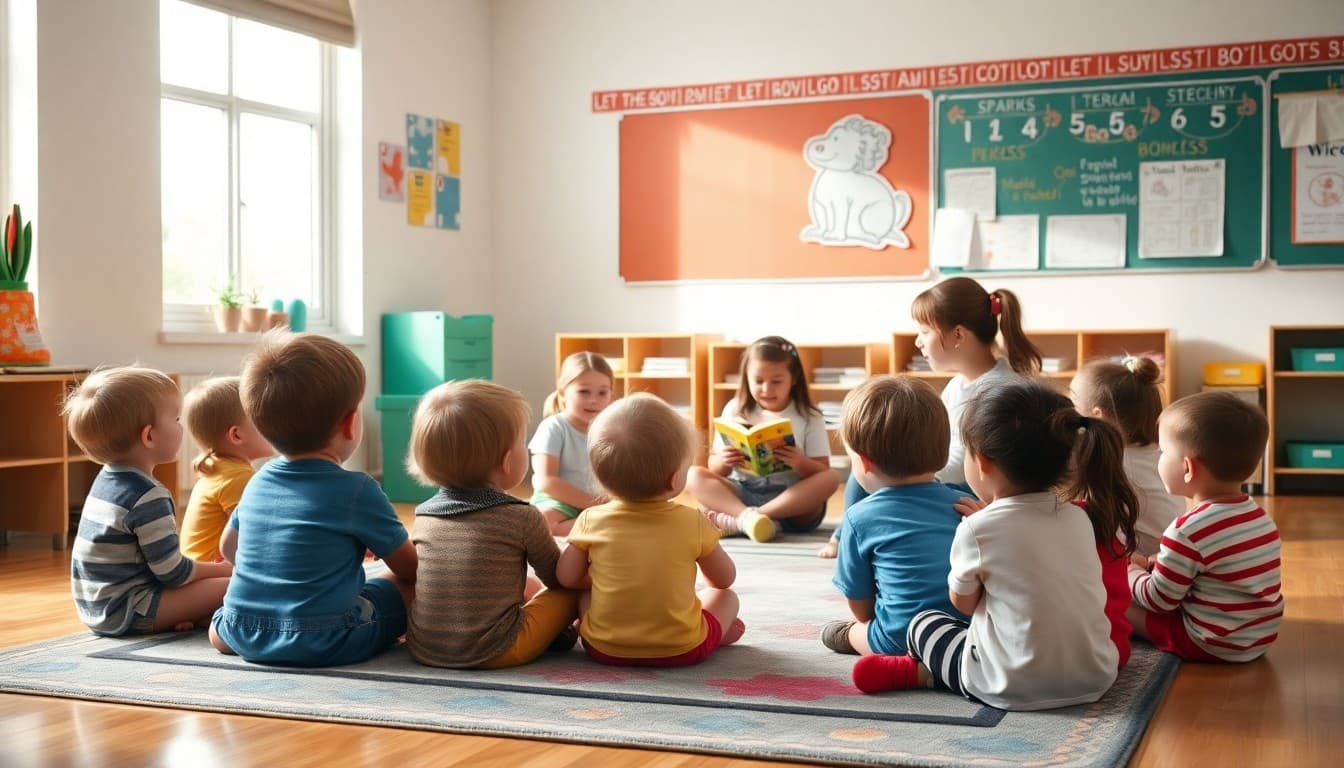
Most kindergarten mornings begin with morning meeting or circle time. Children gather on the rug, greet each other, look at the calendar, discuss the weather, and engage with a question of the day. This period sets the social tone for the day and gives the teacher a chance to assess who is present, settled, and ready.
Morning meeting is not downtime. It is where children practice listening, taking turns, and being part of a community. Those skills underpin everything that comes next.
Literacy block: this is the work
Kindergarten literacy instruction is typically the longest block of the academic day. It usually includes whole-group instruction, where the teacher introduces a skill or concept, and small groups, where the teacher works with four or five children at a level-appropriate task while the rest of the class works in centers.
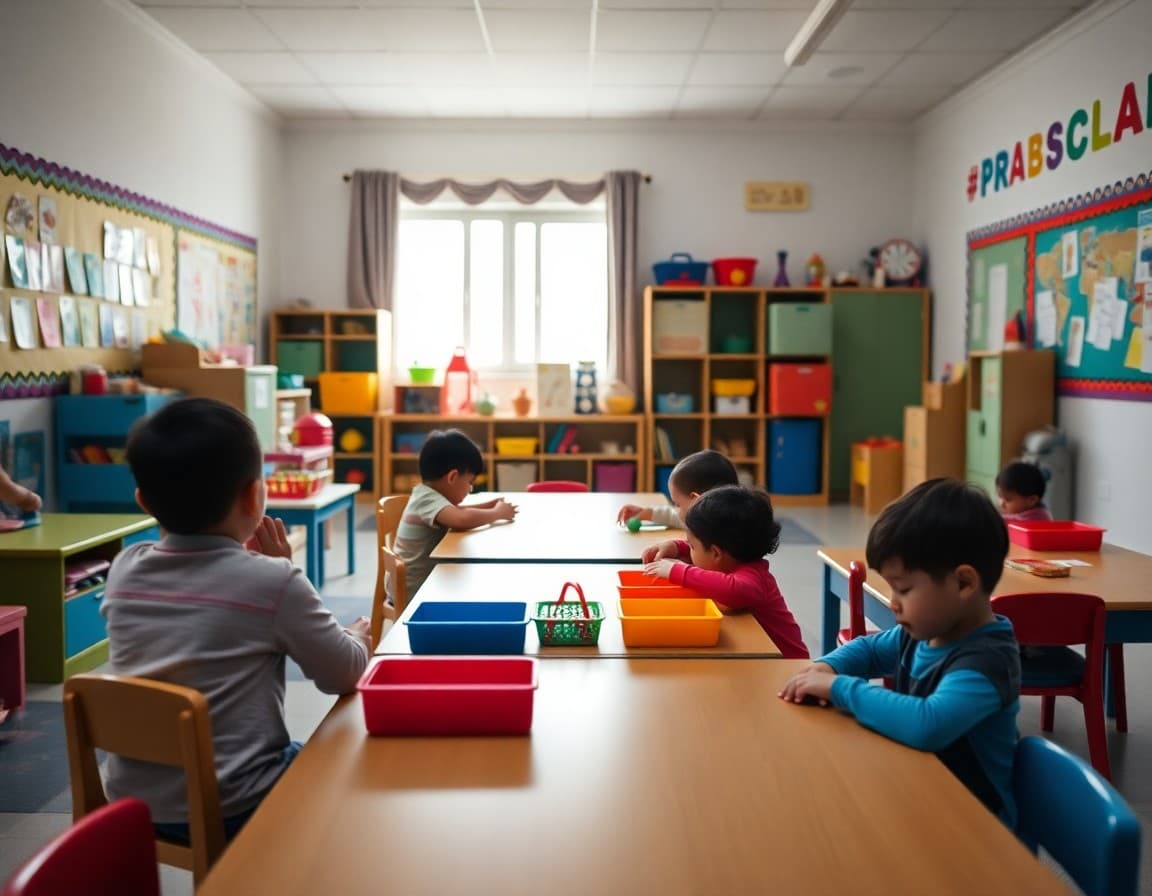
The centers are where much of the learning happens. Children rotate through stations that practice letter sounds, writing, reading, and listening. What looks like free play at a table is often a carefully designed practice task.
Math: hands-on and concrete
Kindergarten math instruction uses physical materials almost exclusively: blocks, counters, linking cubes, ten frames, and pattern cards. Children count, sort, build, and arrange as the primary way of building number sense. Worksheets exist but are a small part of the math day, not the main event.

Lunch and recess: socially demanding
Lunch in a cafeteria is one of the most socially demanding parts of the kindergarten day. The noise is overwhelming for some children, the seating is unstructured, and the social navigation of who sits where and with whom starts immediately. Ask your child about lunch. It is often where the most interesting social information lives.
Recess is essential for learning, not a break from it. The physical activity and unstructured social time are cognitively and emotionally restorative. Children who have recess reliably perform better in afternoon academic blocks than those who do not.
Specials and the afternoon
Most kindergartners attend art, music, physical education, and sometimes library or technology on a rotating schedule. The specials schedule is worth knowing early because transitions between specials and the regular classroom are often where adjustment difficulties show up.
What surprises most families in the first month
The two things that surprise kindergarten families most are how tired their children are and how little information they bring home. The exhaustion is a sign that real learning and development are happening. The information gap is normal at this age. Ask specific questions, read the teacher's newsletter, and trust that the picture is fuller than what a five-year-old can report after a long day.
Get one newsletter idea every week.
Free. For teachers. No spam.
Frequently asked questions
What does a typical kindergarten day actually look like?
Most kindergarten days follow a predictable structure: morning meeting or circle time, literacy instruction, math instruction, lunch and recess, an afternoon block for science, social studies, or additional literacy, and specials like art, music, or physical education on rotating days. The exact schedule varies by school, but the rhythm of gathering, working, eating, moving, and gathering again is consistent across most kindergarten classrooms.
How much time do kindergartners spend on play versus academics?
This varies significantly by school and philosophy, but high-quality kindergarten programs integrate play into academic instruction rather than treating them as opposites. Learning centers, building blocks, dramatic play areas, and hands-on math activities are all legitimate academic learning contexts. A classroom that looks like play from the doorway may be doing excellent academic work. Ask the teacher to describe the learning happening in the centers if you are curious.
What do kindergartners eat for lunch and where?
Most elementary schools have a cafeteria where kindergartners eat with their class. The noise and social demands of the cafeteria are significant for many five-year-olds, particularly those who are quieter or more sensitive. Ask the teacher whether a seating buddy system is in place and whether there is an adult present throughout lunch. Knowing the lunch setup in advance helps families prepare their child.
How often do kindergartners have homework?
This varies widely. Some kindergartners come home with a nightly reading log or a short practice packet. Others have homework only occasionally. Ask the teacher in August what to expect. The research on kindergarten homework is mixed, so what families receive depends heavily on the teacher's and school's philosophy rather than a consistent standard.
How does Daystage help teachers communicate the kindergarten classroom experience to families?
A teacher using Daystage can send a weekly newsletter that includes a brief description of what the class worked on, which closes the gap between what families imagine happening and what actually happens. Families who understand the classroom are more confident and more effective at reinforcing learning at home. That newsletter takes minutes to build in Daystage and does consistent work for the family relationship all year.

Adi Ackerman
Author
Adi Ackerman is a former classroom teacher and curriculum writer with 8 years in K-8 schools. She writes about school communication, parent engagement, and what actually works in real classrooms.
More for Kindergarten Transition
Kindergarten Transition Newsletter: Is My Child Ready? A Real Guide
Kindergarten Transition · 6 min read
Kindergarten Academic Expectations Newsletter: What Families Need to Know About What Their Child Will Learn
Kindergarten Transition · 5 min read
Kindergarten Back to School Newsletter: The First One You Send
Kindergarten Transition · 7 min read
Ready to send your first newsletter?
3 newsletters free. No credit card. First one ready in under 5 minutes.
Get started free