

Kindergarten Transition Newsletter: Lunch Routines and Cafeteria Tips
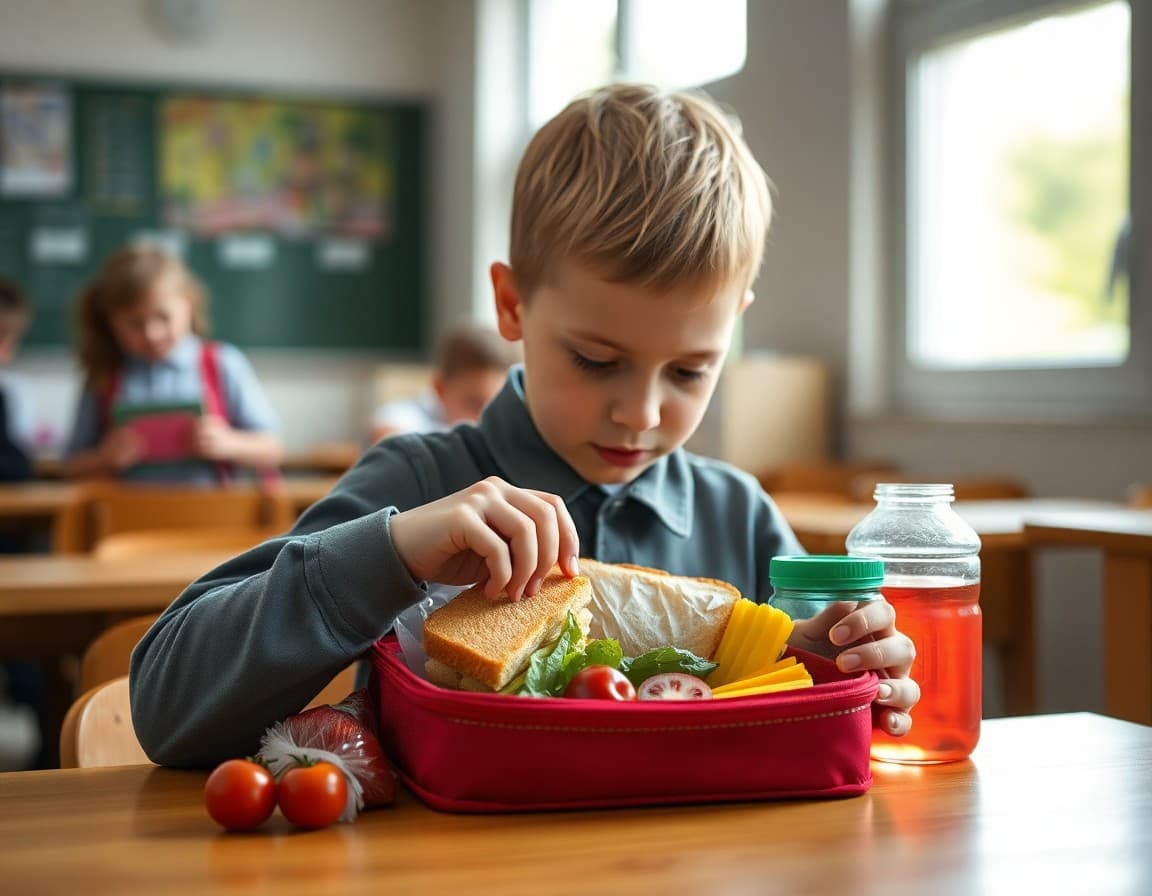
The school cafeteria is one of the most socially and logistically demanding parts of a kindergartner's day, and it is one of the least prepared for by most families. Children who arrive at kindergarten having never practiced opening their own containers, navigating a lunch line, or eating with twenty other loud children are in for a shock. This newsletter covers the preparation that makes lunch go smoothly.
What lunch actually looks like
Most kindergarten lunch periods are between fifteen and twenty-five minutes long. Children either bring lunch from home or purchase a school meal. They sit with their class, typically at assigned or semi-assigned tables. There is an adult present, but the adult is managing twenty-plus children, not supervising individual eating.
The cafeteria is usually loud. For quiet or sensory-sensitive children, the volume alone can suppress appetite and create anxiety. Knowing this in advance allows you to have a realistic conversation with your child about what to expect rather than discovering it through complaints.
Pack what they can open and will eat
The most common lunch failure in kindergarten is food that cannot be opened without adult help. Test every single container at home before the first week of school. Can your child unscrew the water bottle? Open the yogurt lid? Pull apart the snap container? If they cannot do it at home at the table, they cannot do it in the cafeteria.
Pack familiar foods. Lunchtime is not the right venue for new foods. A child who is already navigating the social and sensory demands of the cafeteria is not in a headspace to try new tastes. Pack foods they reliably eat at home and keep it simple enough to finish in fifteen minutes.
Practice the routine at home
Set a fifteen-minute timer once a week over the summer and have your child eat their packed lunch against the clock. This is not about rushing them. It is about building the motor skills of eating fast enough to be fed, which are genuinely underdeveloped in children who have always eaten at a relaxed pace.

The school lunch line
If your child will buy school lunch, ask the school how the system works. Is it a tray? A card? A PIN number? A cash register? Walk your child through the process verbally before they face it live. A child who knows what the line looks like is much less anxious than one who has never considered it.
When the report is "I did not eat anything"
Most kindergartners who report eating nothing or very little at lunch are underreporting. The cafeteria experience is often so stimulating and social that eating becomes secondary, and memory of what was consumed is incomplete. Before worrying, ask the teacher to observe at lunch or send a note home.
If your child is genuinely not eating at school, a brief snack at pickup that does not ruin their dinner appetite is a reasonable bridge while the lunch routine develops.
Social dynamics at the lunch table
The lunch table is a significant social space. Who your child sits with, whether they have a conversation partner, and whether they feel included are all things worth knowing about. Ask specifically: "Who did you sit next to at lunch today?" The answer often tells you more about your child's social experience than anything else they share.
Get one newsletter idea every week.
Free. For teachers. No spam.
Frequently asked questions
Why does my kindergartner come home saying they did not eat anything at lunch?
Several reasons. The cafeteria is often noisy and socially overwhelming for five-year-olds, which suppresses appetite. There is a limited time window, typically fifteen to twenty minutes, and children spend some of it navigating the tray or lunchbox, finding a seat, and engaging with classmates before they start eating. A child who ate even half their lunch in that context is doing reasonably well. Ask the teacher how lunch is going before drawing conclusions from the child's report.
What should I pack for kindergarten lunch?
Foods your child can open independently, recognizes, and reliably eats at home. This is not the moment for new foods or complicated containers. Simple, familiar items: a sandwich they know, a piece of fruit they can handle, a small snack they like, and water or milk. Keep the lunch manageable enough that a five-year-old can get through all of it in fifteen minutes without adult help.
Should I let my kindergartner buy school lunch?
If your child is ready for it, school lunch has social value: children who eat what their classmates eat often have an easier time connecting at the lunch table. But practice the routine first. Ask the school how the line works, whether it is tray or card system, and whether a five-year-old can manage it independently. Consider letting your child buy lunch one or two days a week and bringing from home the rest.
How do I pack a lunchbox that my kindergartner can open by themselves?
Test every container and bag at home before the first day of school. Twist-off water bottle caps are often too hard for five-year-olds. Pull tabs on pouches vary in difficulty. Small zip-lock bags are usually manageable. If your child cannot open something at home at the kitchen table, they cannot open it in a noisy cafeteria under time pressure.
How does Daystage help teachers communicate lunch and cafeteria routines to kindergarten families?
A pre-year newsletter through Daystage that describes the lunch setup, the time window, the line procedure, and what to pack gives families specific, actionable information instead of generic guidance. Teachers who send this information in August have far fewer lunch-related questions and concerns in September.

Adi Ackerman
Author
Adi Ackerman is a former classroom teacher and curriculum writer with 8 years in K-8 schools. She writes about school communication, parent engagement, and what actually works in real classrooms.
More for Kindergarten Transition
Kindergarten Transition Newsletter: What to Expect in Your Child's Class
Kindergarten Transition · 6 min read
Kindergarten Transition Newsletter: School Supply List and Prep Tips
Kindergarten Transition · 6 min read
Kindergarten Transition Newsletter: First Day Tips for Families
Kindergarten Transition · 6 min read
Ready to send your first newsletter?
3 newsletters free. No credit card. First one ready in under 5 minutes.
Get started free