
Kindergarten Transition Newsletter: School Supply List and Prep Tips
Every kindergarten sends home a supply list in August. Most of those lists tell you what to buy for the classroom but leave out the items families actually need for daily life. This newsletter covers the full picture: what the list says, what it leaves out, how to label it all, and how to prepare your child to take care of their own things.
The classroom supply list: what it covers and what it does not
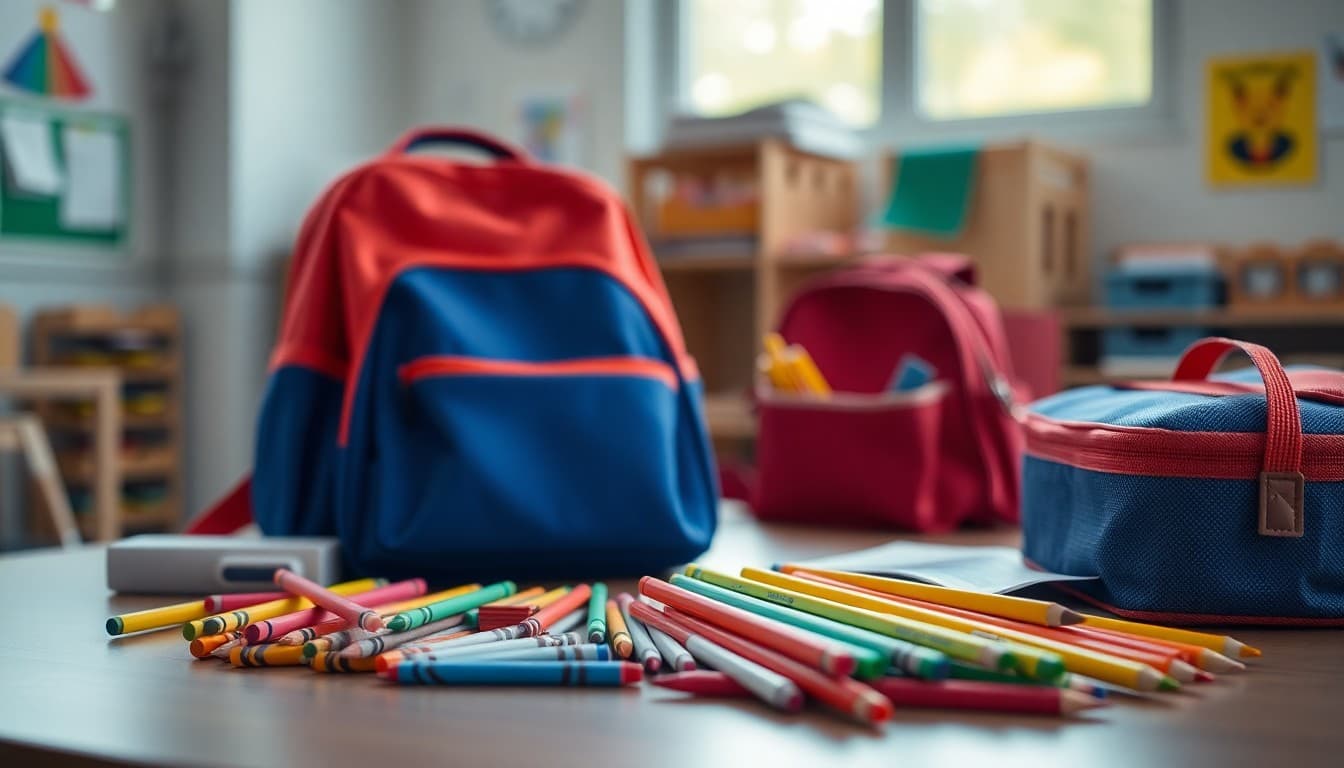
The list your school sends typically covers shared classroom materials: crayons, markers, glue sticks, scissors, pencils, folders, and whatever specific materials the teacher uses. These often go into a class supply pool, meaning your child does not own their personal set of crayons. That is important to know before you buy the premium version.
The list usually does not cover the daily personal items your child needs to get through the day: a backpack that fits, a lunch container, a water bottle, and a change of clothes. These are the items that determine whether the school day runs smoothly or falls apart at lunch.
The backpack: get this one right
A backpack that does not fit or that cannot hold a folder and a lunchbox without collapsing is a daily problem. Look for a backpack with padded shoulder straps, a main compartment large enough for a folder, and a separate pocket for the water bottle. It does not need to be expensive, but it does need to fit the child's frame.
Buy the backpack before August so your child has time to get used to wearing it. A child who has never worn a backpack will struggle with it on the first day along with everything else.
Label everything, twice
Label every item with your child's first and last name. Inside labels on clothing, bottom labels on containers, and both the outside and inside of the backpack. One label on the outside of a water bottle is often insufficient when it gets tossed into a bin with fifteen others.
Iron-on labels and vinyl stickers last longer than tape or paper labels. If you use a permanent marker, go over it twice. A faded label on a lunchbox by October is no label at all.

The change of clothes: do not skip this
Put a complete change of clothes in a labeled zip-lock bag in the backpack and leave it there. Kindergartners have accidents, spill lunch, and sit in mud. The child who does not have a change of clothes at school calls home from the office in a paper towel outfit. This is the most consistently forgotten item and the one teachers most wish families would remember.
What goes in the backpack daily versus what stays at school
Ask the teacher to clarify this specifically. Most schools have the child bring their backpack and lunchbox daily, with a take-home folder that goes back and forth. Classroom supplies like pencils, crayons, and scissors usually stay at school. Personal items like a stuffed animal or a family photo may be permitted; ask before sending.
Involve your child in the process
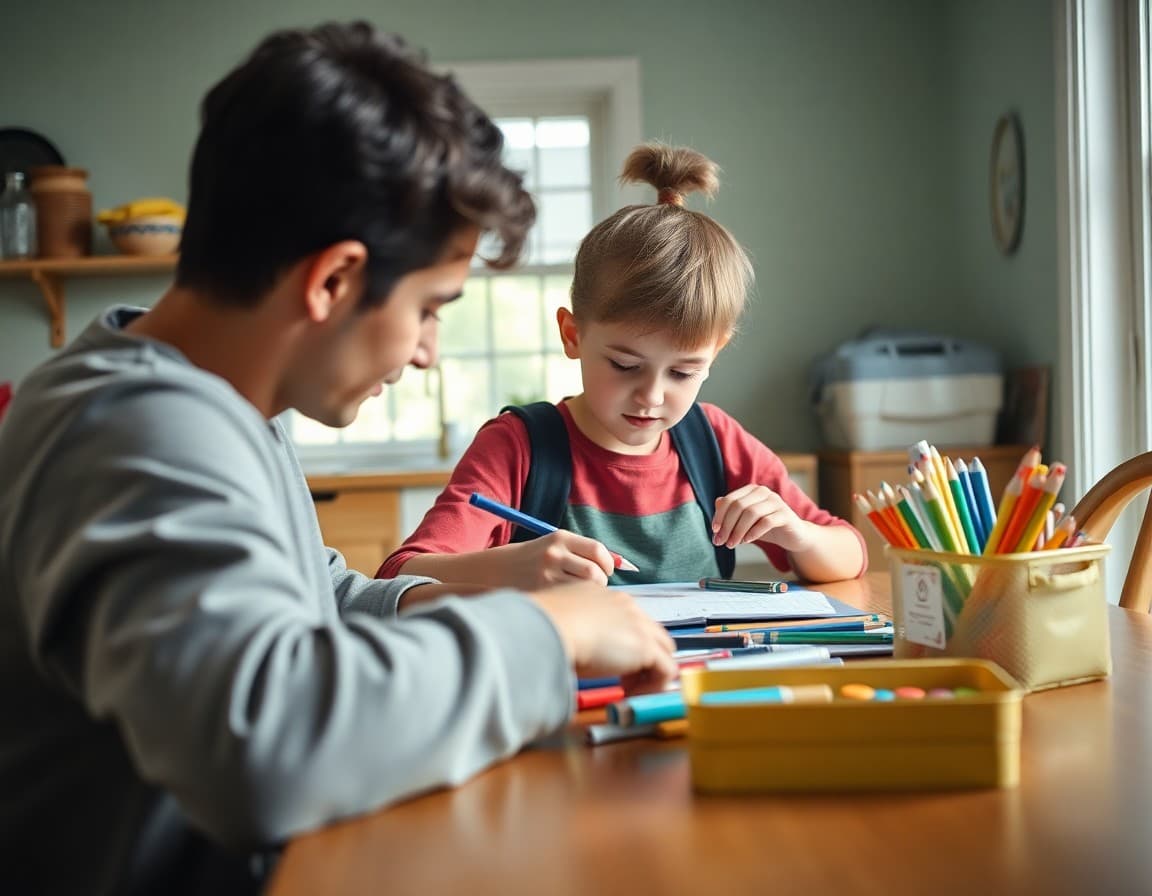
Let your child help label their supplies, pick the water bottle color, and pack the backpack the night before school starts. Children who have some ownership over their materials are more careful with them and more aware of when something is missing. A child who packed their own backpack will notice when the water bottle is not in it.
Get one newsletter idea every week.
Free. For teachers. No spam.
Frequently asked questions
What supplies does every kindergartner need regardless of the school's list?
A well-fitting backpack large enough for a folder and a lunchbox, a labeled water bottle, a lunchbox with an ice pack, and a change of clothes in a labeled bag in the backpack. Most schools send a supply list for the classroom, but these are the items that every family needs regardless of what the list says. The change of clothes is particularly important and often not mentioned until after an incident occurs.
Does it matter what brand of supplies I buy?
For most items, no. Crayons and pencils work regardless of brand. The one area where brand genuinely matters is backpacks: a cheap backpack with uncomfortable straps on a child who walks a long distance or carries heavy materials is a real problem. For everything else, the school's generic supply list items are fine.
What should I label with my child's name?
Everything that will leave the classroom. The backpack, the lunchbox, the water bottle, the jacket, and any personal items that go back and forth. Inside labels matter more than outside labels for most items. A water bottle label that peels off or a jacket label on the outside that gets torn is not useful. Use permanent marker or iron-on labels inside clothing and on the bottom of containers.
How do I talk to my kindergartner about taking care of their supplies?
Show them where each item lives in the backpack and make them responsible for packing it themselves. A child who has packed their own backpack is more aware of what is in it than one who receives a packed bag from a parent. Involving your child in the labeling process also builds ownership. They care more about not losing a water bottle they helped label than one that appeared in their bag without their involvement.
How does Daystage help teachers send the supply list and preparation information to families?
A pre-year newsletter sent through Daystage can include the supply list alongside notes about what goes in the backpack daily versus what stays at school, what to label, and what is optional versus required. That context makes the supply list more actionable than a bare list and reduces the questions teachers answer in the first week of school.

Adi Ackerman
Author
Adi Ackerman is a former classroom teacher and curriculum writer with 8 years in K-8 schools. She writes about school communication, parent engagement, and what actually works in real classrooms.
More for Kindergarten Transition
Kindergarten Transition Newsletter: Is My Child Ready? A Real Guide
Kindergarten Transition · 6 min read
Kindergarten Transition Newsletter: First Day Tips for Families
Kindergarten Transition · 6 min read
Kindergarten Transition Newsletter: Building a Solid Morning Routine
Kindergarten Transition · 6 min read
Ready to send your first newsletter?
3 newsletters free. No credit card. First one ready in under 5 minutes.
Get started free