
Kindergarten Separation Anxiety Newsletter: What to Tell Families Before the Hard Drop-Offs Begin
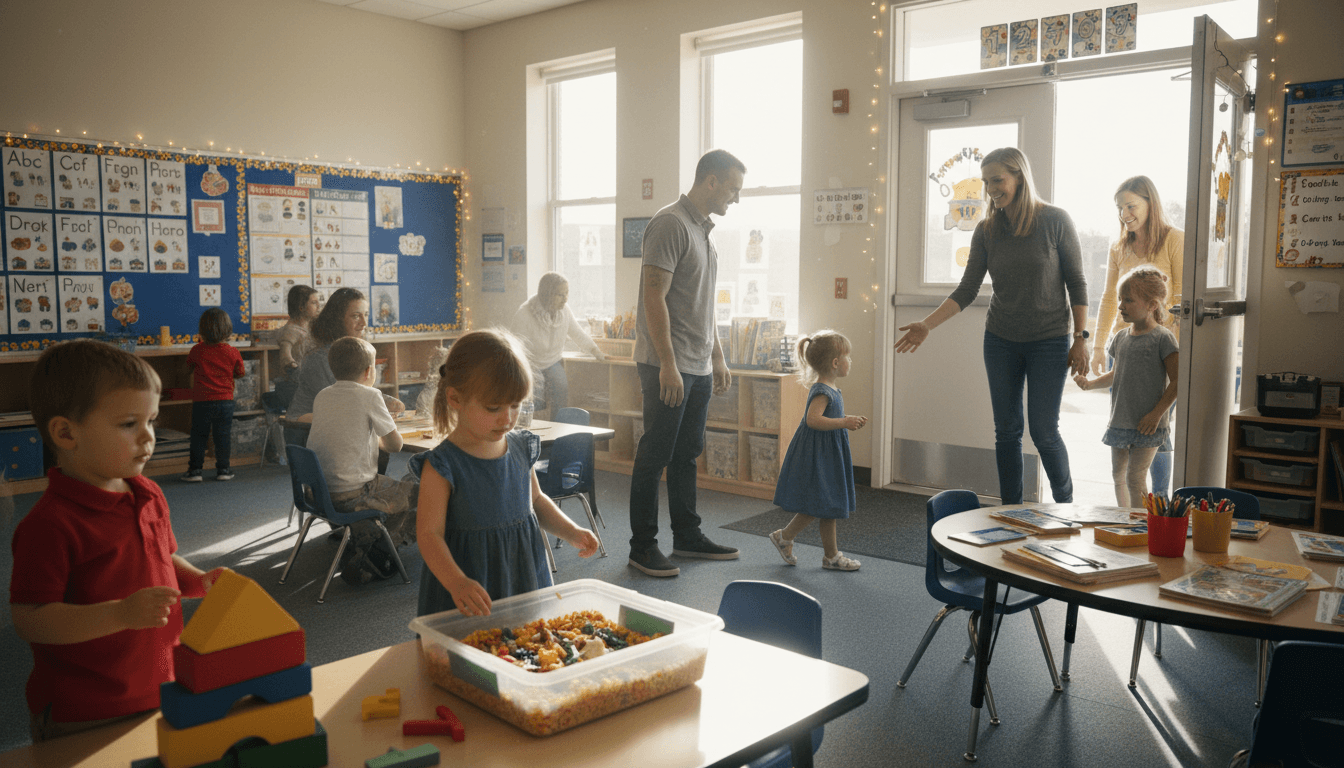
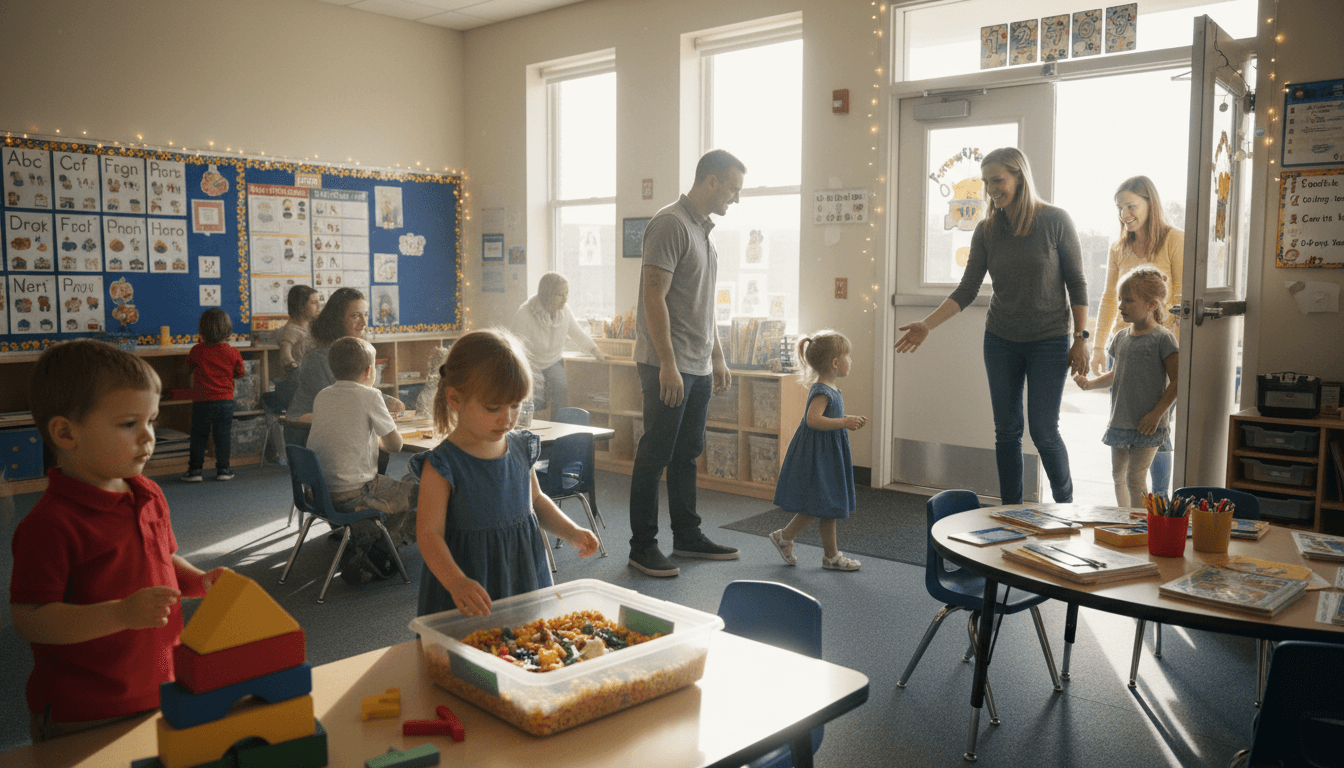
Separation anxiety at kindergarten drop-off is one of the most emotionally charged things a teacher manages in the first weeks of school. It is also one of the most predictable. A teacher who communicates about it proactively, before it happens, equips families with strategies and frames the experience as a normal part of the transition rather than a crisis.
The newsletter cannot eliminate separation anxiety. But it can prevent the specific patterns of parent behavior that make it worse: the lingering goodbye, the checking back through the door, the tearful face that amplifies a child's distress rather than calming it.
Normalizing the experience first
Begin any communication about separation anxiety by normalizing it. Many kindergartners cry at drop-off in the first days or weeks. This does not mean anything is wrong with the child, the school, or the family. It means the child is developmentally responding to a big change in a completely appropriate way.
A parent who receives this context before the first hard drop-off is in a fundamentally different emotional state than one who is blindsided by their child's distress on the first morning. Normalization is the most important thing the newsletter can do.
What a confident goodbye looks like
Be specific about what helps. A goodbye routine that is consistent, brief, and cheerful reduces separation anxiety over time. A specific goodbye ritual, a hug and a high five, a special code phrase, a confident "have a great day" followed by a prompt departure, all of these are more effective than a prolonged farewell with multiple "just one more hug" moments.
Explain why this matters: children read their parent's emotional state. A parent who is distressed at drop-off signals to the child that there is something to be distressed about. A parent who is calm and confident signals that school is a safe and good place to be.
What happens after the parent leaves
Most parents who leave a crying child do not know what happens next because they cannot see it. Tell them. In specific terms: "Almost every child who is upset at drop-off settles within a few minutes. We redirect to an activity, a friend, or a book. By the time morning circle starts, most children are engaged and happy. I will never let a child cry for an extended time without reaching out to you directly."
This paragraph, plain and direct, gives parents permission to leave without guilt.
When to reach out to the teacher
Include a clear note about when parents should contact the teacher: if separation anxiety is still severe and disruptive after two to three weeks, if their child is expressing distress at home about school beyond normal first-week jitters, or if there is something in the child's background that the teacher should know about when navigating drop-off.
Home practices that help
A brief summer practice guide helps families who are anticipating a difficult transition. Short practice separations over the summer, positive school talk at home, reading books about starting school, and visiting the school building if orientation is available all reduce first-week anxiety. Frame these as optional activities rather than requirements to complete.
Get one newsletter idea every week.
Free. For teachers. No spam.
Frequently asked questions
How do you address separation anxiety in a newsletter without alarming parents?
Normalize it before framing it as something to manage. Start with a genuine acknowledgment that separation at kindergarten is hard for many children and completely normal, then move into specific strategies. Leading with normalization prevents parents from feeling their child has a problem before they have even started school.
What strategies for managing drop-off should a separation anxiety newsletter include?
Four things: create a consistent goodbye routine and stick to it every day, make the goodbye cheerful and confident rather than lingering and hesitant, leave promptly after the goodbye, and trust that the teacher will contact them if the child is still distressed after a reasonable amount of time. These four points cover the main parent behaviors that either ease or worsen separation.
How long is it normal for kindergarten separation anxiety to last?
Most separation anxiety in kindergarten resolves within the first two to three weeks for children who did not have prior school experience. Children with significant anxiety histories may take longer. The newsletter should include a note that if anxiety is still severe after three weeks, it is appropriate to speak with the teacher or school counselor.
What can parents do at home to reduce separation anxiety before school starts?
Practice short separations over the summer where the child is with a trusted adult and the parent leaves briefly and returns. Talk about the school day routinely using positive language. Visit the school building if tours or orientation allow it. Read books about starting school together.
How does Daystage help kindergarten teachers communicate about sensitive topics like separation anxiety?
Daystage supports classroom newsletter communication. Teachers use it to send the kind of warm, personal newsletters that address topics like separation anxiety without the communication feeling institutional or form-like.

Adi Ackerman
Author
Adi Ackerman is a former classroom teacher and curriculum writer with 8 years in K-8 schools. She writes about school communication, parent engagement, and what actually works in real classrooms.
More for Kindergarten Transition
Kindergarten Assessment Newsletter: How to Explain Assessments to Families Without Creating Test Anxiety
Kindergarten Transition · 5 min read
Kindergarten First Month Update Newsletter Guide
Kindergarten Transition · 5 min read
Kindergarten Parent Welcome Newsletter: How to Introduce Yourself and Your Classroom in the First Week
Kindergarten Transition · 5 min read
Ready to send your first newsletter?
3 newsletters free. No credit card. First one ready in under 5 minutes.
Get started free