
Kindergarten Parent Welcome Newsletter: How to Introduce Yourself and Your Classroom in the First Week
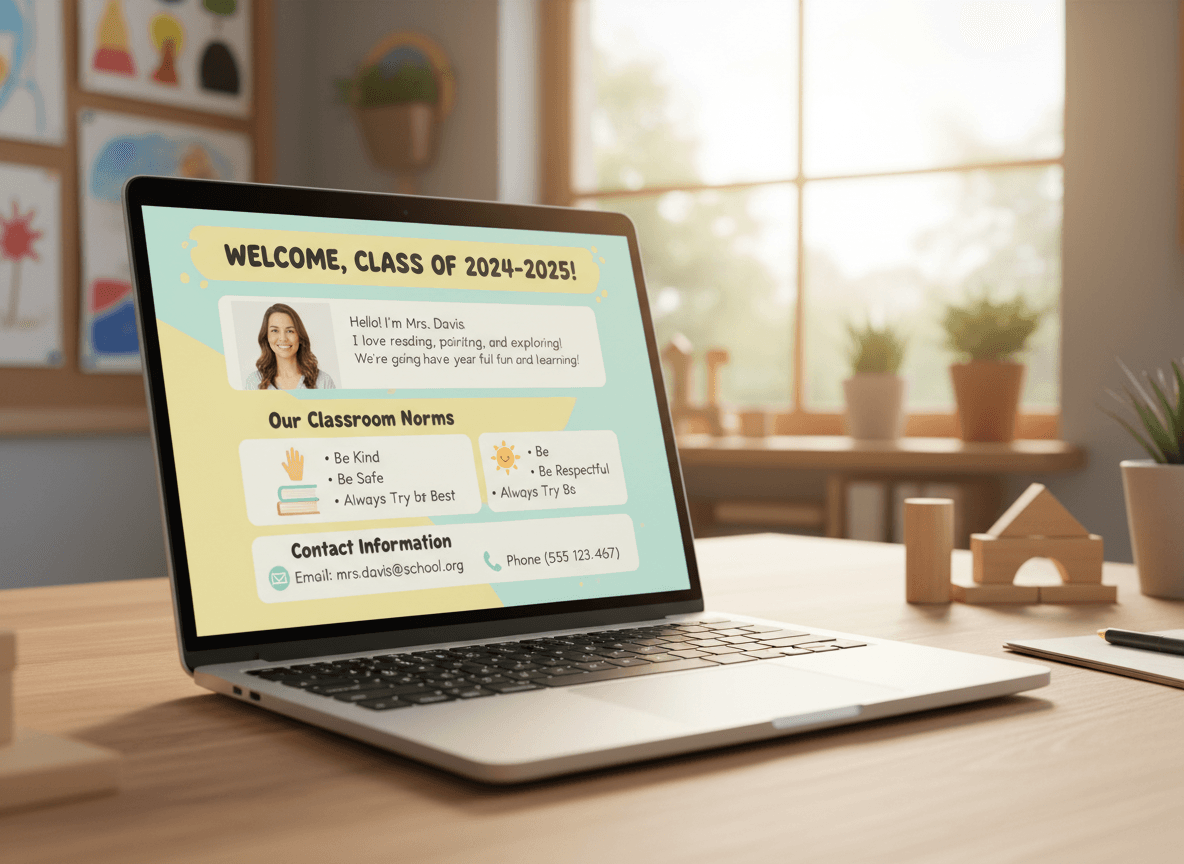
The parent welcome newsletter is the first substantive communication families receive from the person who will spend more time with their child than anyone else outside their home. It creates an impression that persists for months. A warm, specific, personal welcome creates a foundation of trust. A generic form letter creates a sense that the teacher is going through the motions.
The investment in writing a genuine welcome newsletter is among the highest-return communication tasks a kindergarten teacher can complete.
Introducing yourself as a person, not a credential
Every parent welcome newsletter should include a brief personal introduction that goes beyond credentials. Parents do not need to know where you got your teaching degree in the first communication. They want to know who you are as a person with their child's age group.
Share something genuine. Why you love kindergarten specifically, not just teaching in general. What you noticed about children at this age that draws you back every year. One thing about your own life that informs how you approach young learners. These specifics create a human connection that a list of professional accomplishments cannot.
Your classroom philosophy in plain language
Briefly describe how you think about kindergarten: what you believe children this age need, how you balance structure and play, what your class will feel like most days. This gives parents a frame for understanding the year ahead and helps them explain to their child what to expect.
Avoid educational jargon. A parent who reads about inquiry-based learning or developmentally appropriate practice without explanation learns nothing about your classroom. A parent who reads "we learn through doing, playing, and asking lots of questions" understands exactly what you mean.
How communication will work this year
Set the expectations early. State your newsletter cadence, the best way to reach you, your response time, and how families should flag something urgent versus something that can wait for a meeting. This section prevents miscommunication around expectations and helps families feel confident rather than tentative about how to connect with you.
What the first weeks will look like
Include a brief preview of the first two to three weeks. What will children be doing? What are you focused on teaching in the first month? What should families expect in terms of homework, if any?
Families who understand the early focus of the year are less likely to be surprised by what their child comes home talking about. They also have natural conversation starters for asking their child about school.
One genuine invitation
Close the welcome newsletter with one genuine invitation: to reach out with questions, to share something about their child that would help you teach them better, or to attend an early classroom event. The invitation signals that the teacher wants a partnership, not just a one-directional communication relationship.
Get one newsletter idea every week.
Free. For teachers. No spam.
Frequently asked questions
When should the parent welcome newsletter go out?
Send the welcome newsletter the day before school starts or the evening of the first day. Families who have not yet heard from the teacher directly are anxious and appreciative of any personal contact. A well-timed welcome newsletter creates goodwill before any challenge has a chance to arise.
What should a kindergarten welcome newsletter say about the teacher personally?
Share two or three genuine details: how long you have been teaching kindergarten, one thing that brought you to this grade level, and one thing you are specifically looking forward to about this class or year. Personal details that are genuine and specific build rapport. Generic professional bios do not.
How does the welcome newsletter set communication expectations?
State your preferred communication method, your response time, the regular newsletter cadence, and how families should contact you for urgent versus non-urgent situations. Setting these norms in the welcome newsletter prevents the pattern of families emailing at 11 PM and expecting a response by 7 AM.
Should the welcome newsletter include classroom rules or expectations?
A brief, positive framing of your classroom norms is appropriate. Not a list of rules but a description of what the classroom community values: kindness, curiosity, effort, helping each other. Save detailed behavioral expectations for a separate communication or parent night.
How does Daystage help kindergarten teachers send welcome newsletters?
Daystage supports classroom newsletter communication with subscriber list management for individual classes. Kindergarten teachers use it to send the welcome newsletter on the first day of school and maintain a consistent communication cadence across the year.

Adi Ackerman
Author
Adi Ackerman is a former classroom teacher and curriculum writer with 8 years in K-8 schools. She writes about school communication, parent engagement, and what actually works in real classrooms.
More for Kindergarten Transition
Kindergarten Pick-Up and Drop-Off Newsletter: How to Prevent the Chaos That Starts on Day One
Kindergarten Transition · 5 min read
Kindergarten Social Skills Newsletter: How to Help Families Prepare Children for Classroom Community Life
Kindergarten Transition · 5 min read
Kindergarten Assessment Newsletter: How to Explain Assessments to Families Without Creating Test Anxiety
Kindergarten Transition · 5 min read
Ready to send your first newsletter?
3 newsletters free. No credit card. First one ready in under 5 minutes.
Get started free