
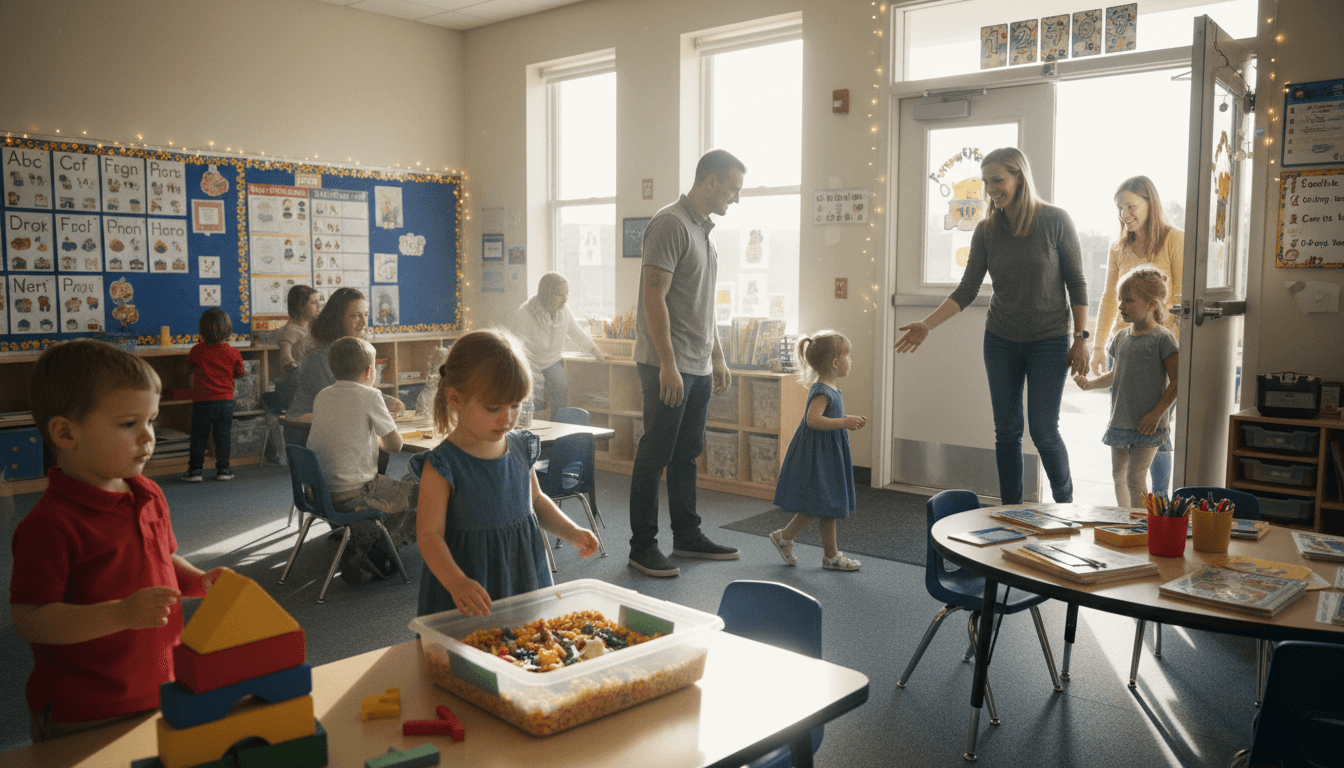
Kindergarten Assessment Newsletter: How to Explain Assessments to Families Without Creating Test Anxiety
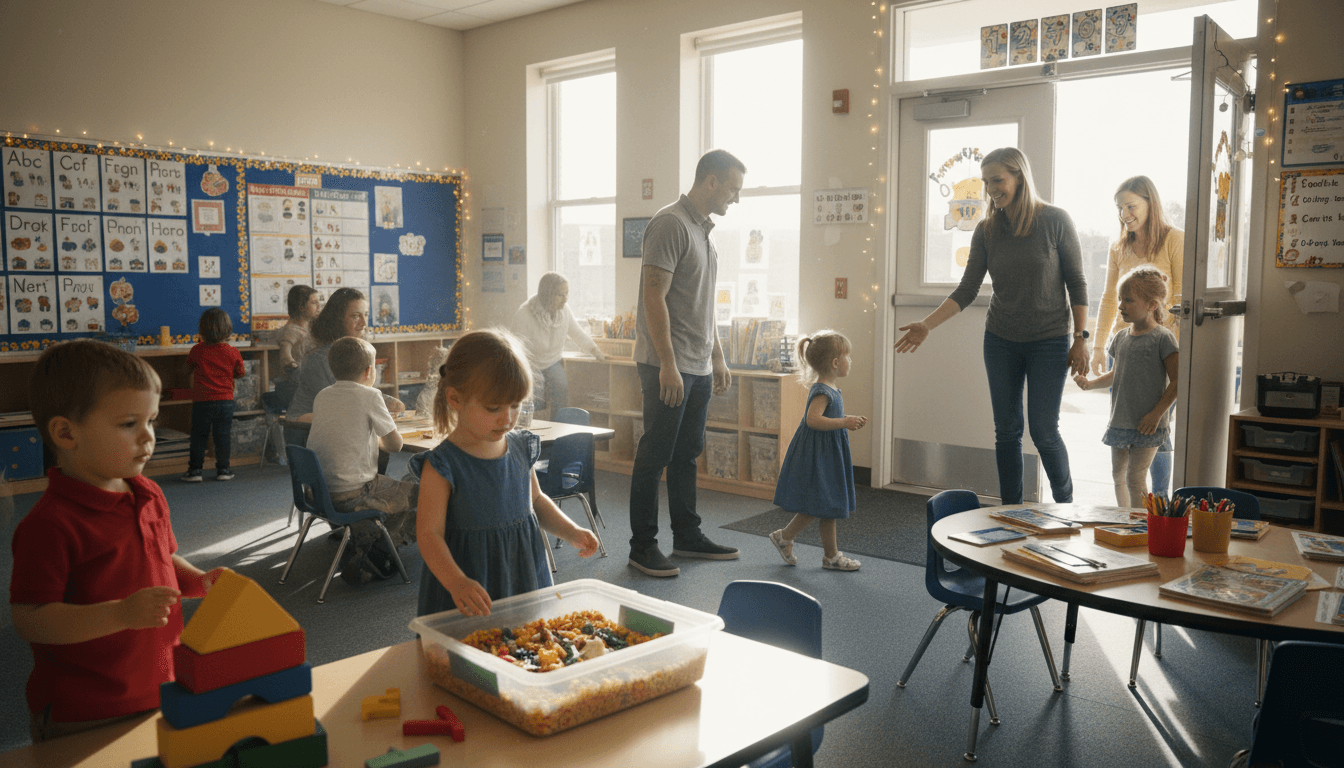
The word assessment makes many families nervous, especially those who worry about their child being evaluated against a standard they may not meet. A kindergarten assessment newsletter that demystifies the process and frames assessment as a teaching tool rather than a gatekeeping mechanism reduces that anxiety and helps families engage with assessment results productively.
What kindergarten assessment is and is not
Kindergarten assessment is not a test children can pass or fail. It is a process the teacher uses to understand where each child is so they can teach from that starting point. Every child enters kindergarten somewhere on the developmental continuum, and the assessment helps the teacher meet each child where they are rather than assuming everyone is at the same place.
Make this distinction clear and explicit in the newsletter. Many families have only experienced assessment as a judgmental process. Framing kindergarten assessment as a service for their child rather than a verdict about their child changes how they hear the results.
How kindergarten assessments are conducted
Describe the format briefly and honestly. Most kindergarten entry assessments happen one-on-one with the teacher in a conversational or game-like format. The teacher asks the child to identify letters, count objects, tell a story from pictures, or complete simple tasks. The whole process typically takes ten to twenty minutes and most children experience it as a fun activity with the teacher.
Telling families what the assessment looks like in advance prevents the anxiety that comes from a child coming home and saying the teacher asked them to do things they could not do. When families understand the format, they can contextualize what their child shares without alarm.
What results mean for instruction
After the entry assessment, the teacher uses the results to form flexible reading and math groups, to identify children who may need additional support early, and to plan instruction that starts from where children actually are. This information is the foundation of the whole year.
Frame this connection clearly: the assessment results help the teacher teach your child better. That framing turns assessment from something done to the child into something done for the child.
When families will hear about results
Be specific about the timeline for sharing results. Most programs share early assessment information at the first parent-teacher conference in October or November. If the teacher will reach out sooner for any child whose assessment suggests immediate support is needed, say so. Families who know the timeline do not spend the fall wondering whether silence means everything is fine.
What families should not do about assessments
Include a brief note discouraging coaching or assessment preparation. When families quiz their child on letters and numbers specifically to improve assessment scores, the assessment loses its ability to guide instruction. Encourage families to continue the natural readiness practices from the summer newsletter rather than switching to targeted test preparation.
Get one newsletter idea every week.
Free. For teachers. No spam.
Frequently asked questions
What kindergarten assessments should families expect in the first few weeks?
Most kindergarten programs use a brief entry assessment or screener in the first two weeks of school. These assess letter knowledge, number sense, language development, and fine motor skills. The assessments are typically done one-on-one in a game-like format and are not stressful for children who approach them as activities rather than tests.
Should families prepare their children for kindergarten assessments?
No specific preparation is needed or helpful. Entry assessments are designed to capture where a child is at the start of school, not where they can get to with coaching. Coaching before an assessment distorts the information the teacher uses to plan instruction. The best preparation is the summer readiness activities that develop skills naturally.
How are kindergarten assessment results shared with families?
Most programs share assessment results at the first parent-teacher conference or in a written report in September or October. Families who want to know their child's results before the first conference should reach out to the teacher directly. The newsletter can describe the timeline for when results will be shared.
What happens if a kindergarten assessment suggests a child needs additional support?
The teacher will contact the family directly to discuss any assessment results that suggest a child would benefit from additional support. This conversation happens individually, not through the general newsletter. Families should not interpret a lack of outreach as meaning their child is doing fine across all areas.
How does Daystage support assessment-related communication in kindergarten programs?
Daystage handles classroom newsletter communication for school programs. Kindergarten teachers use it to send assessment preview and result summary newsletters that maintain a warm, accessible tone rather than sounding clinical or alarming.

Adi Ackerman
Author
Adi Ackerman is a former classroom teacher and curriculum writer with 8 years in K-8 schools. She writes about school communication, parent engagement, and what actually works in real classrooms.
More for Kindergarten Transition
Kindergarten Gifted Identification Newsletter Guide
Kindergarten Transition · 5 min read
Kindergarten Pick-Up and Drop-Off Newsletter: How to Prevent the Chaos That Starts on Day One
Kindergarten Transition · 5 min read
Kindergarten Social Skills Newsletter: How to Help Families Prepare Children for Classroom Community Life
Kindergarten Transition · 5 min read
Ready to send your first newsletter?
3 newsletters free. No credit card. First one ready in under 5 minutes.
Get started free