
Kindergarten First Month Update Newsletter Guide
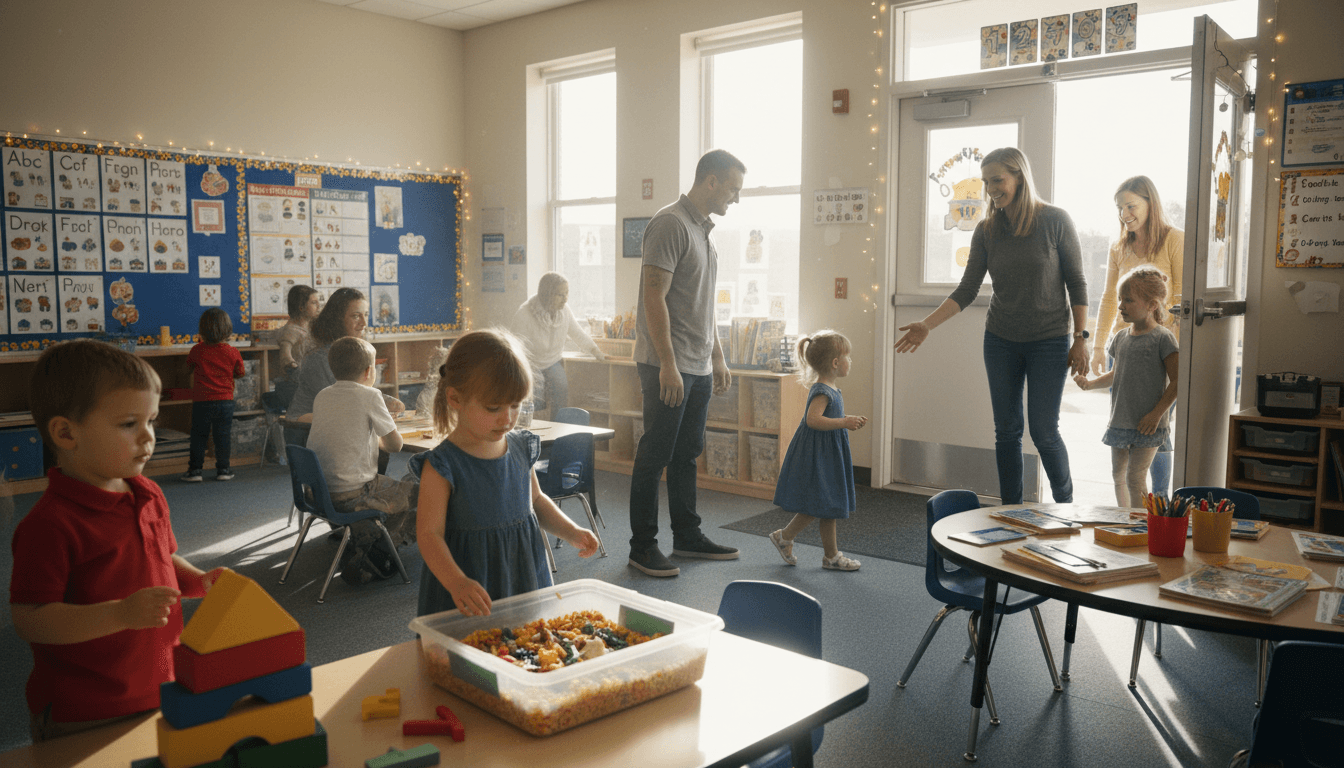
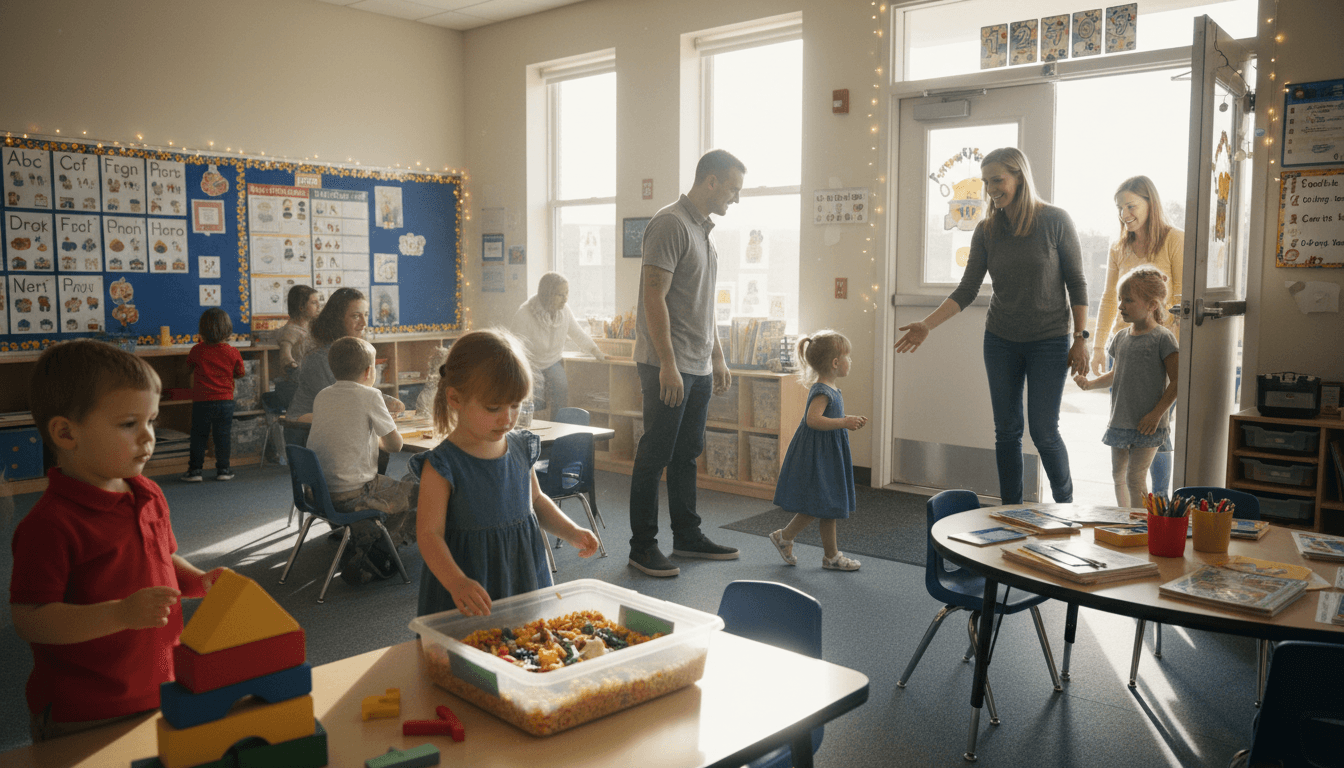
The first month of kindergarten is the year's most watched period. Families are watching for signs that their child is okay. A first month newsletter that gives them specific, warm, honest information is one of the most effective things a teacher can send all year.
The first month update newsletter structure
Subject line: One month in: how our kindergarten class has settled into the year
Opening: We have officially been a kindergarten class for one month. Here is a look at how students have settled in, what we have been learning, and what is coming up in October.
How the class has settled in
Write honestly about the adjustment period. How are most students feeling? Are morning drop-offs getting easier? Have students found their friends? Families need to know that the transition is going well at the class level, even if their own child is still adjusting.
"Mornings are moving faster now. Most students walk in and start the morning work independently. We still have a few who need a little extra help saying goodbye, which is completely normal at this stage. It is getting easier each week."
What we have been learning
Give a brief overview of the academic work from the first month. Name specific books, concepts, and activities. "In reading, we have been working on letter recognition and the sounds letters make. We read Chicka Chicka Boom Boom together and made our own alphabet trees. In math, students have been sorting objects by color, shape, and size, and learning to count to 20."
Include one or two highlights from science or social studies if those subjects have been introduced. Even brief, they give families a fuller picture of the school day.
Classroom community highlights
Name some of the community-building moments from the first month. Class meetings, friendship activities, morning meetings, group projects. "We spent the first two weeks building our classroom promises together: the rules students came up with themselves for how we want to treat each other. They came up with things I would not have thought to put on the list."
A note on routines and expectations
Name any routines that students have mastered and any that are still developing. "Students know the morning routine and the cleanup routine. We are still working on listening when someone else is talking. That one takes a full year to build, and we are off to a good start."
What is coming up in October
Close with a brief preview of October: upcoming events, new units, any special activities. Give families a sense of what is ahead so they can look forward to hearing about it. "In October, we start our first reading unit on stories and story structure. We also have our first family read-aloud event on [date]. More details coming soon."
Get one newsletter idea every week.
Free. For teachers. No spam.
Frequently asked questions
Why is the first month of kindergarten worth its own dedicated newsletter?
The first month of kindergarten is one of the highest-anxiety periods for families in the entire school career. Children are adjusting, families are adjusting, and everyone is watching for signs that things are going well. A newsletter that arrives at the end of September with a warm, specific report on how the class has settled in directly addresses that anxiety and builds confidence in the teacher and program.
What should the kindergarten first month newsletter cover?
How the class has settled into the daily routine, what the class has been learning academically, what social and community-building activities the class has done, any milestones from the first month like the first full day without tears or the first class discussion about a book, and what is coming up in October so families feel oriented to what is ahead.
How do you address families whose children are still struggling to separate after the first month?
Acknowledge in the newsletter that adjustment takes different amounts of time for different children, and that the first month being hard does not predict the rest of the year. 'Every child adjusts at their own pace. Some students arrived ready and confident; others are still working on the transition. Both are normal at this stage.' Families whose children are still struggling need to hear that the teacher is not worried.
How specific should the first month newsletter be about classroom activities?
Specific enough that families can picture their child's day. Name the books read, the projects started, the songs learned, the games played. A newsletter that says 'students have been learning math and reading' tells families nothing they could not have guessed. A newsletter that says 'we read Chicka Chicka Boom Boom and made our own alphabet trees' gives families a real window into the classroom.
How does Daystage help with the kindergarten first month newsletter?
Daystage lets teachers include photos from the first month directly in the newsletter, making it the most-read communication of the early year. Scheduling it to arrive at the end of September, with a preview of October, creates a rhythm of regular updates that families quickly come to expect. The platform's translation capability means every family receives the update in their home language.

Adi Ackerman
Author
Adi Ackerman is a former classroom teacher and curriculum writer with 8 years in K-8 schools. She writes about school communication, parent engagement, and what actually works in real classrooms.
More for Kindergarten Transition
Kindergarten Reading Readiness Newsletter: What Families Can Do Before the First Day to Support Literacy
Kindergarten Transition · 5 min read
Kindergarten Summer Readiness Newsletter: A Month-by-Month Guide for Families Before the First Day
Kindergarten Transition · 6 min read
Kindergarten Communication Tips Newsletter for Families
Kindergarten Transition · 5 min read
Ready to send your first newsletter?
3 newsletters free. No credit card. First one ready in under 5 minutes.
Get started free