
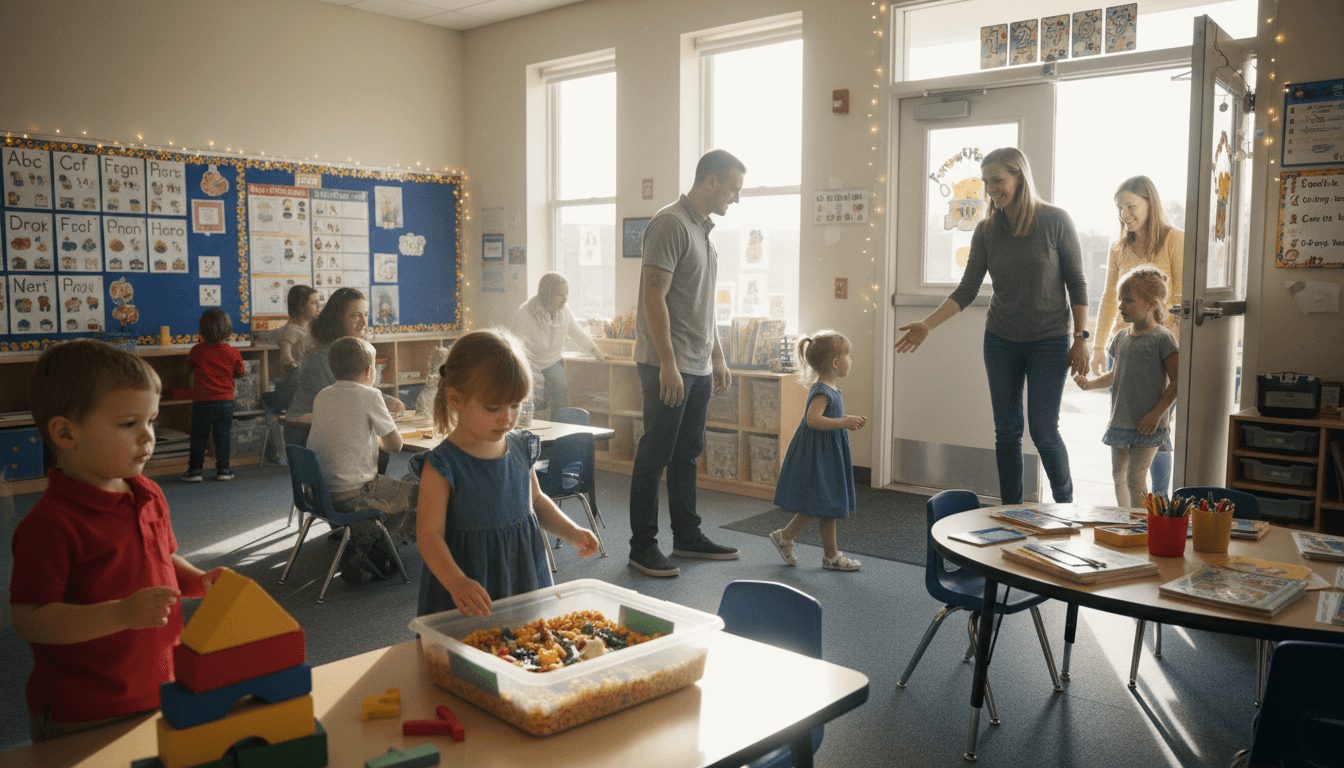
Kindergarten Social Skills Newsletter: How to Help Families Prepare Children for Classroom Community Life
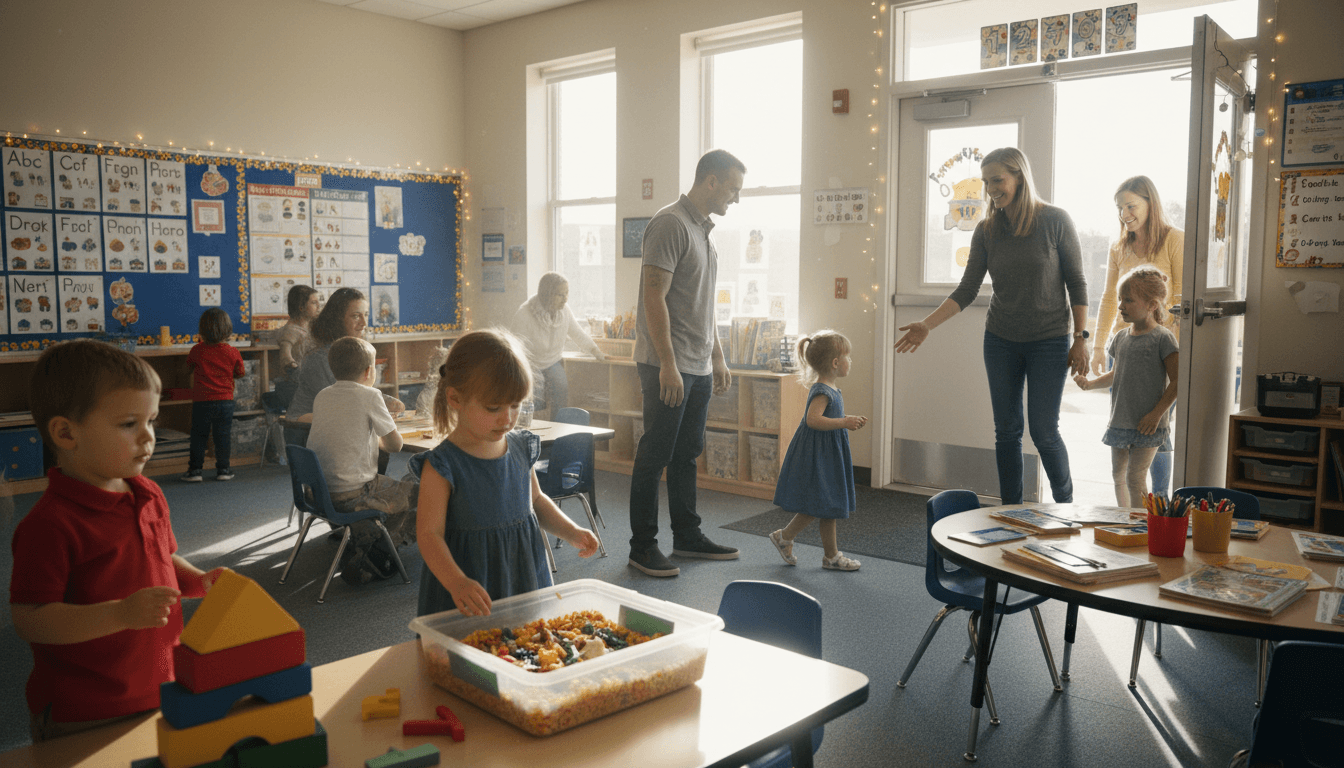
Social skills are the infrastructure of kindergarten classroom life. Every transition between activities, every partner reading session, every lunch table conversation, and every group project depends on children having enough social capacity to navigate it with some independence. A child who enters kindergarten with solid social skills has a smoother first year than one who enters with equivalent academic skills and much weaker social ones.
Families who understand this and who have spent some of the summer on social practice are giving their children one of the most valuable head starts a kindergarten year can have.
Turn-taking and sharing
Turn-taking is one of the most frequently practiced skills in a kindergarten classroom and one of the most frustrating for children who have not practiced it outside of formal school settings. Children who are used to immediate access to desired objects at home find the waiting and the sharing of classroom materials genuinely difficult.
Families can practice turn-taking through board games, card games, and structured play activities where waiting is built in. Even simple activities like taking turns putting pieces on a puzzle build the tolerance for delay that kindergarten classroom life requires constantly.
Using words to manage conflict
Kindergartners who respond to frustration physically, hitting, pushing, grabbing, or throwing, face immediate classroom intervention and often struggle socially for months while the behavior is being addressed. Families who practice verbal conflict resolution before kindergarten starts give their children a significant social advantage.
Specific phrases help. Teach children to say "I don't like that" or "please stop" instead of physical responses. Role-play scenarios where their toy is taken or their turn is skipped, and practice what words to use. The verbal scripts become muscle memory in real situations.
Participating in group settings
Group settings are new to many incoming kindergartners who have had primarily one-on-one or small-group experiences at home or in small daycare settings. A classroom of 20 children following group directions, sitting in a circle, and responding in an organized way is a social environment unlike anything many five-year-olds have navigated before.
Families can prepare children by spending time in group settings over the summer: library story time, community programs, sports teams, or any organized group activity where a child practices following group directions and waiting while others take their turn.
Asking for help
Children who cannot ask for help independently become invisible in a busy kindergarten classroom. A teacher working with 20 children cannot notice every child who is quietly struggling. A child who can raise their hand, approach the teacher, or ask a peer for help navigates the classroom day with far more support than one who waits silently until they give up.
Practice asking for help at home. When something is hard, encourage the specific words rather than stepping in immediately. The habit of asking for help transfers directly to the classroom.
Get one newsletter idea every week.
Free. For teachers. No spam.
Frequently asked questions
Why does a kindergarten social skills newsletter matter?
Social skills determine how smoothly a child integrates into classroom community life more than academic readiness does. A child who can take turns, manage conflict with words, and sustain cooperation in a group activity moves through the day with much less friction than one who cannot, regardless of their academic starting point.
What social skills should a kindergarten newsletter prioritize?
Taking turns, sharing materials, using words instead of physical responses when frustrated, asking for help rather than giving up, listening when others are speaking, and participating in group activities without disrupting. These are the core social skills that kindergarten classroom life requires daily.
How can families practice social skills with their children before kindergarten starts?
Playdates with peers, family game nights that practice turn-taking, role-playing scenarios where a child has to ask for help or manage not getting something they want, and reading books about friendship and cooperation all build social skills that kindergarten will build on.
How does the social skills newsletter address children who struggle socially due to limited peer experience?
Include a brief, non-alarming note that children with limited prior group experience sometimes need a few weeks to settle into classroom community norms. This is completely normal and the teacher is experienced at supporting it. Families of children who have not attended preschool should not feel their child is at a disadvantage that cannot be overcome.
How does Daystage support social-emotional learning communication in kindergarten?
Daystage handles classroom newsletter communication. Teachers use it to send social skills and SEL newsletters that are warm and practical in tone, directly into the family's inbox without requiring an app download or platform login.

Adi Ackerman
Author
Adi Ackerman is a former classroom teacher and curriculum writer with 8 years in K-8 schools. She writes about school communication, parent engagement, and what actually works in real classrooms.
More for Kindergarten Transition
Kindergarten Supply List Newsletter: How to Tell Families What to Buy Without the Confusion
Kindergarten Transition · 5 min read
Kindergarten Community Helpers Newsletter Guide
Kindergarten Transition · 5 min read
Kindergarten Lunch and Snack Newsletter: What Families Need to Know Before the First Cafeteria Day
Kindergarten Transition · 5 min read
Ready to send your first newsletter?
3 newsletters free. No credit card. First one ready in under 5 minutes.
Get started free