
Kindergarten Pick-Up and Drop-Off Newsletter: How to Prevent the Chaos That Starts on Day One
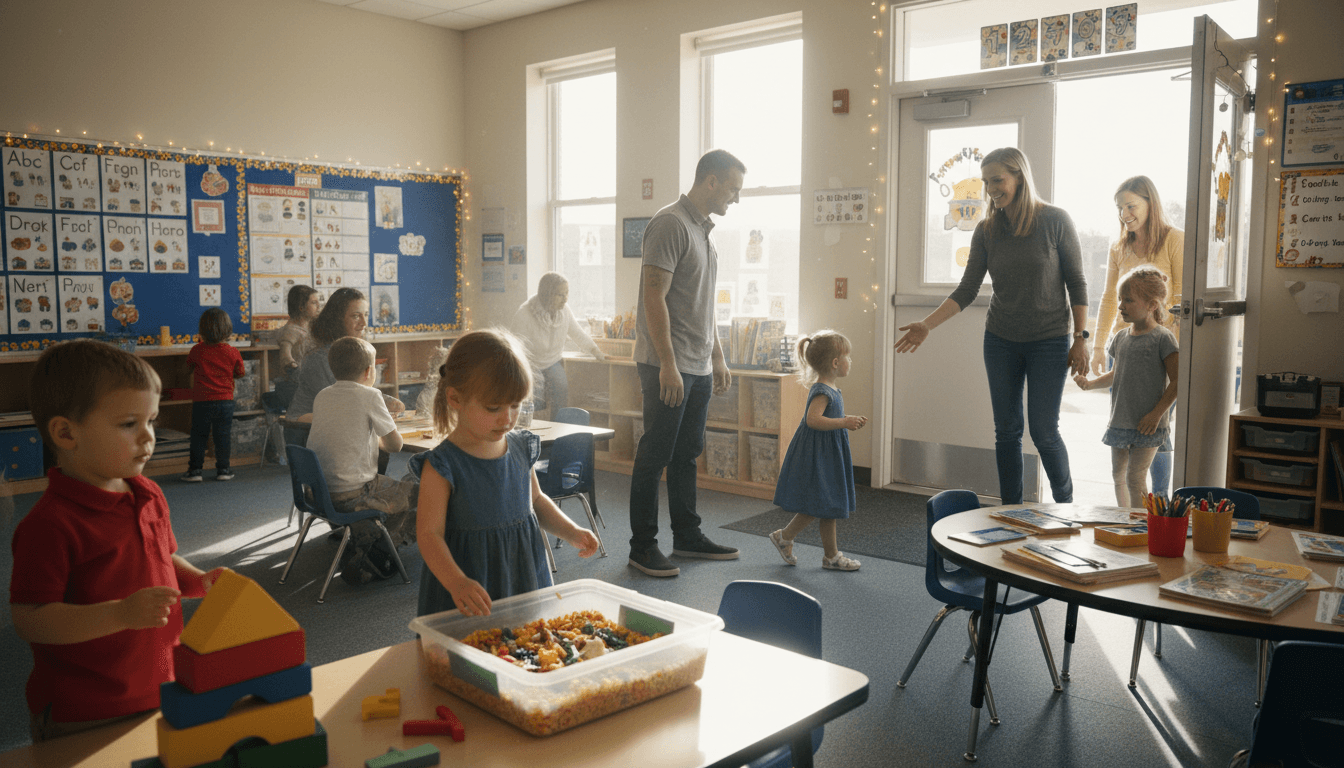
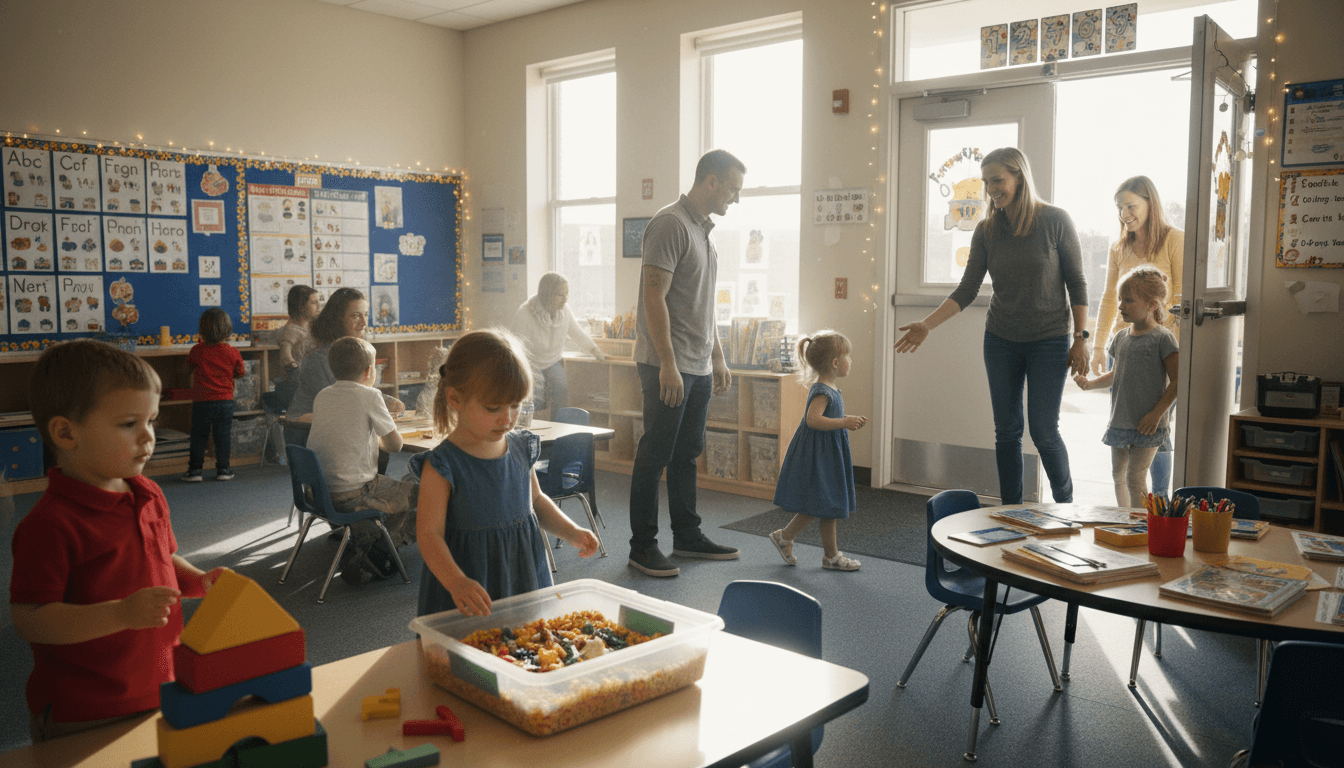
Kindergarten dismissal is a logistics challenge that looks simple from the outside and turns chaotic without clear communication. Twenty-two families arriving at different times from different directions, some in car line, some walking, some using bus, some with siblings being picked up from other classrooms. The pick-up and drop-off newsletter is the communication that prevents the first-day confusion from setting a pattern for the whole year.
Morning drop-off procedures
Describe morning drop-off with specific sequential steps. Which entrance, which parking or traffic approach, what time doors open, where the child should go after entering the building, and who is present to receive them. If there is a car line, describe exactly how it works including where to enter, where to stop, and when to proceed.
Include a note about arrival before the supervised period begins. If the building does not open until a specific time, families need to know their child cannot be dropped off earlier without supervision coverage. This is one of the most common first-week issues and one of the most preventable with clear advance communication.
Afternoon dismissal procedures
Dismissal is more complex than arrival because it involves confirming who is picking up each child. Describe the identification requirement clearly and frame it as consistent safety practice that applies to every family, not a measure taken due to any specific concern.
If there is a car line for dismissal, explain the pickup tag or card system. If families pick up on foot, explain where to wait and how children are released. If there are different procedures for different dismissal methods such as car, bus, and walker, describe each clearly in labeled sections.
Authorized pick-up persons
Explain the authorized pick-up system. How families submit their list of authorized adults. What happens when someone not on the list arrives to pick up a child. How families add or change authorized adults during the school year. This section prevents both the family frustration of a grandparent being turned away and the safety issue of an unauthorized adult collecting a child.
Same-day changes
State the same-day change process and deadline explicitly. Changes communicated by a specific time can usually be accommodated. Changes communicated after the deadline cannot be guaranteed. Include the specific contact method and time for same-day changes. Families who know the process use it. Families who do not know the process improvise in ways that create dismissal complications.
Late pick-up
Describe what happens when a child is not picked up by the expected time. Who supervises the child, for how long, and what the school does next. Families who are occasionally late need to know what happens so they can manage their anxiety and communicate with the school. Families who are chronically late need to understand that there are expectations they are not meeting.
Get one newsletter idea every week.
Free. For teachers. No spam.
Frequently asked questions
What should a kindergarten pick-up and drop-off newsletter cover?
Morning arrival procedures including where to drop off, who supervises, and what time doors open, afternoon dismissal procedures including where to pick up and what identification is required, how to add or change a designated pick-up person, and what happens when a child is not picked up by the expected time.
How do you explain car line procedures to families who have never used them before?
Use specific, sequential steps. First, enter from the north entrance on Main Street. Second, pull forward to the first available cone. Third, a staff member will come to your window and call your child's name by radio. Fourth, wait for your child to come to the car before pulling forward. Numbered steps prevent the hesitation and improvisation that causes delays.
How should the newsletter handle families who change their pick-up plans on the same day?
State the process clearly and include a deadline. Same-day pick-up changes must be communicated to the office by a specific time, typically 1 PM or 2 PM. Include the contact method: phone, email, or a specific platform. Changes communicated after the deadline cannot be guaranteed for that day's dismissal. Be direct about this limit.
How do you address safety concerns in a pick-up newsletter without alarming families?
Frame safety procedures as standard good practice rather than responses to specific threats. Adults who pick up a child will be asked to show identification. This protects your child and every child in our school and is something we do consistently for everyone.
How does Daystage help schools communicate pick-up procedures to new kindergarten families?
Daystage handles inline email for school programs. Schools use it to send dismissal procedure newsletters that families can reference on their phone during the first week of school without needing to find an email they received weeks earlier.

Adi Ackerman
Author
Adi Ackerman is a former classroom teacher and curriculum writer with 8 years in K-8 schools. She writes about school communication, parent engagement, and what actually works in real classrooms.
More for Kindergarten Transition
Kindergarten Orientation Newsletter: How to Prepare Families for an Event That Sets the Year Up Right
Kindergarten Transition · 5 min read
Kindergarten Separation Anxiety Newsletter: What to Tell Families Before the Hard Drop-Offs Begin
Kindergarten Transition · 5 min read
Pre-K to Kindergarten Transition Newsletter: How to Bridge the Gap Between Programs
Kindergarten Transition · 6 min read
Ready to send your first newsletter?
3 newsletters free. No credit card. First one ready in under 5 minutes.
Get started free