
Kindergarten Parent Newsletter: After School Routine Tips
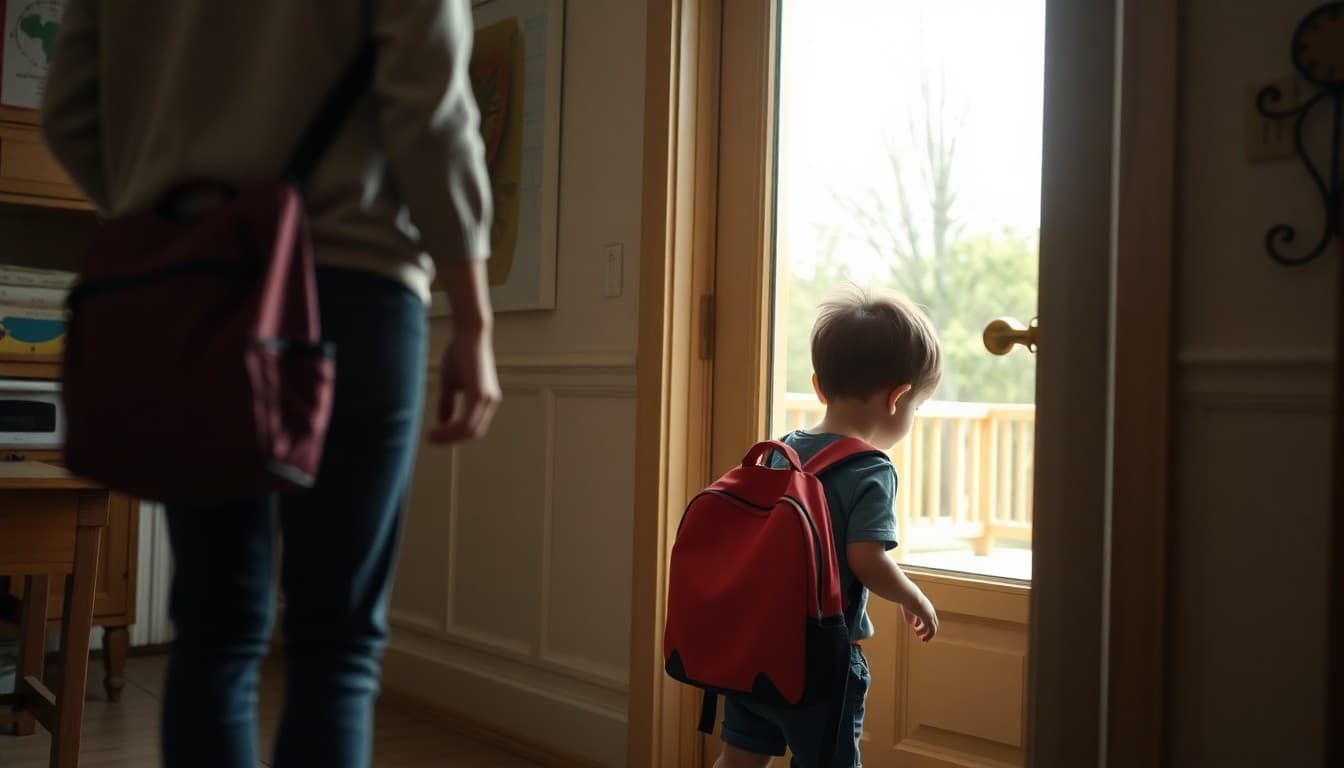
The two hours after a kindergartner gets home from school are often the most challenging of the entire day, and also the most consequential. How that window goes sets the tone for the evening: the ease of dinner, the success of bedtime, and the likelihood that tomorrow morning will start well. This newsletter covers what the research says about post-school behavior and the routines that actually help.
Understanding the post-school crash
Many kindergarten families are surprised to discover that the child who walked out of school looking fine is having a full meltdown in the car ten minutes later. This is so common that teachers and child psychologists have informal names for it: the after-school restraint collapse, or the end-of-day release.
Your child held themselves together all day and used all available self-regulation for the school setting. Home is where it is safe to fall apart. The meltdown is not a sign of a bad day at school. It is a sign that your child trusts home as the place where they can finally let go. That is actually a good sign.
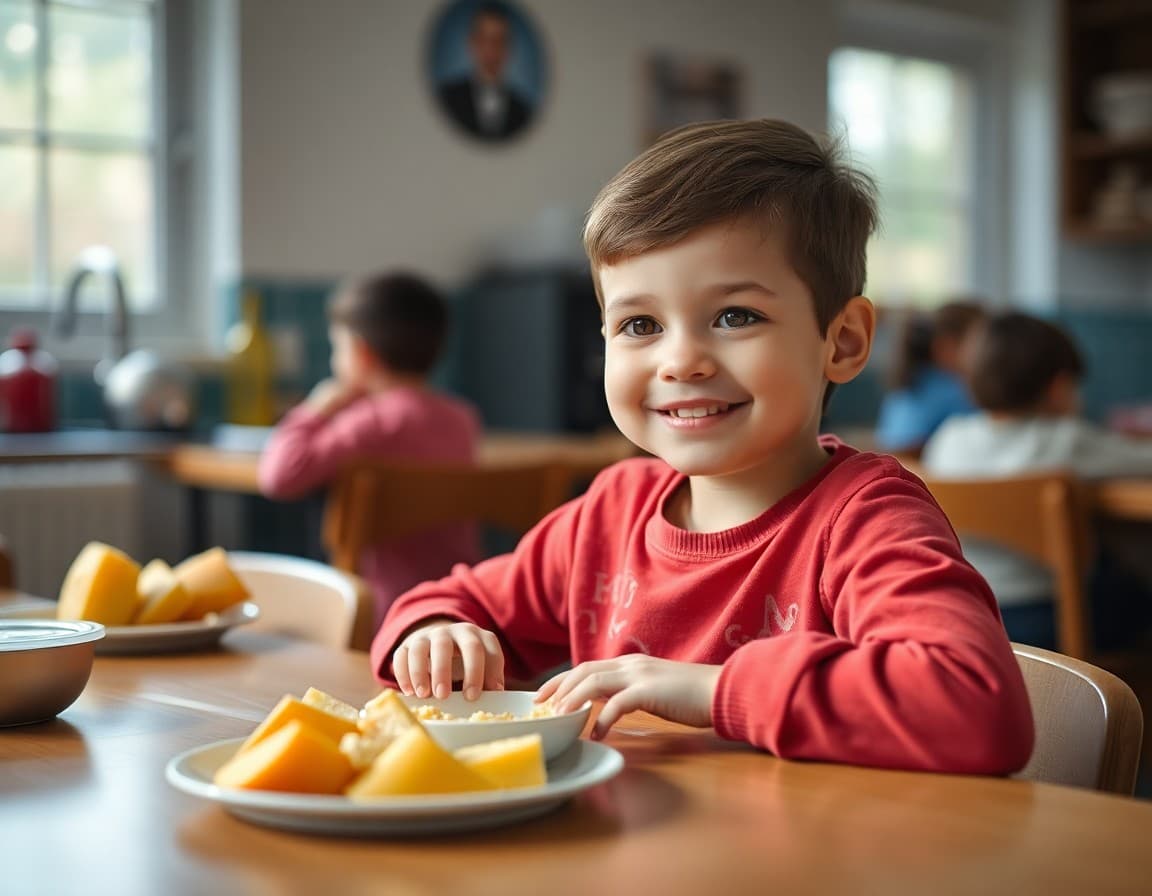
Snack before anything else
Most kindergartners are hungry when they get home. School lunch ends at mid-day, and by three p.m. the blood sugar has dropped. A predictable snack waiting at the table is one of the most cost-effective parenting tools in the after-school window. Keep it simple: fruit, crackers and cheese, a yogurt. The goal is to stabilize blood sugar quickly, not to provide another full meal.
Do not make the snack contingent on behavior or conversation. Just have it there. Feed the child first and have the conversation about the difficult morning or the lost permission slip afterward.
Give them time before you need anything from them
After the snack, build in fifteen to twenty minutes of unstructured time before any requests: no homework, no questions about the day, no chores. Let your child choose what they do. This decompression window is not a reward. It is the conditions your child needs to be able to function for the rest of the afternoon.
Families who try to skip this window and go directly to homework or questions usually spend more total time in conflict than those who build in the buffer.

Homework in the middle, not at the end
The best window for kindergarten homework is mid-afternoon, not right before dinner. By five p.m., most kindergartners are hungry, tired, and done. A homework task at that hour is more likely to produce tears than learning. Moving homework to three-thirty or four, after the snack and buffer, almost always produces a faster, calmer session.
Keep the homework session short and end it when the task is done, not when a timer goes off. A child who finishes quickly should be done, not given more. That builds the motivation to focus and complete.
Ask questions that get real answers
Once your child has eaten and had some space, they are usually ready to talk. "How was school" gets a one-word answer from almost every kindergartner. More specific questions unlock actual conversation: what was the funniest thing that happened, who did you eat lunch with, did your teacher read a book today, what was it about. Questions that require a specific memory tend to pull out a real response.
Build the bridge to bedtime
The after-school routine is not just about the afternoon. It is about how easily the evening flows. A child who has eaten, had space, completed homework, and had meaningful connection with a parent in the afternoon is easier to get to dinner, bath, and bed than one who has been managing conflict all afternoon. The investment in a calm after-school routine pays off at bedtime, which pays off at the next morning's school drop-off.
Get one newsletter idea every week.
Free. For teachers. No spam.
Frequently asked questions
Why are kindergartners so difficult right after school?
Because they have been on their best behavior all day. Kindergartners spend six to seven hours managing their impulses, following directions, sitting still, and navigating social situations in a room with twenty other children. By the time they get home, the self-regulation reserves are empty. The meltdowns, the clingy behavior, and the irritability are a release of everything they held together all day. It is not a sign that something is wrong at school.
What is the best thing to do when a kindergartner gets home from school?
Give them food and space before anything else. A snack and fifteen to twenty minutes of unstructured time does more to regulate the post-school emotional state than almost anything else. Do not ask questions, give instructions, or start homework immediately. Let them decompress first. Most kindergartners become much more cooperative after a snack and a brief period of self-directed activity.
When should kindergartners do homework after school?
Thirty to forty-five minutes after arriving home, after the snack and brief decompression period. Not immediately after school when the child is depleted, and not right before dinner when they are hungry again. The mid-afternoon window, roughly three to four p.m. for most families, tends to be the most productive for kindergarten-level homework.
How do I get my kindergartner to talk about their day?
Do not ask "how was school?" That question almost always gets a one-word answer. Instead, ask specific questions: "What made you laugh today?" or "What was the best thing in the cafeteria?" or "Did anyone do something surprising at recess?" Specific questions open conversations that the general question closes.
How does Daystage help teachers communicate after-school expectations with families?
A brief weekly newsletter from Daystage can include a note about what the class worked on that day, which gives families specific conversation prompts rather than asking families to extract information from a five-year-old cold. When families know what happened at school, the after-school conversation becomes easier and more connected.

Adi Ackerman
Author
Adi Ackerman is a former classroom teacher and curriculum writer with 8 years in K-8 schools. She writes about school communication, parent engagement, and what actually works in real classrooms.
More for Kindergarten Transition
Ready to send your first newsletter?
3 newsletters free. No credit card. First one ready in under 5 minutes.
Get started free