
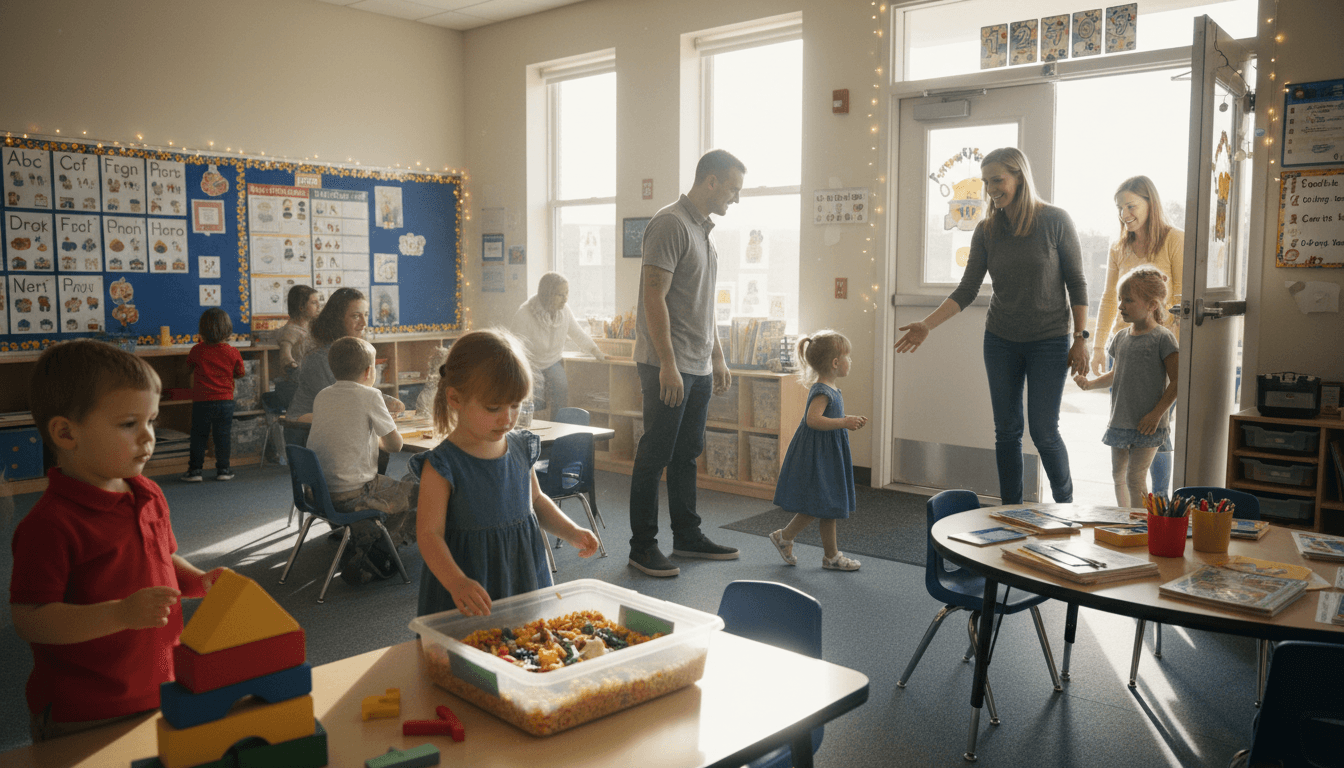
Kindergarten Home-School Connection Newsletter: How to Build a Partnership That Supports the Whole Year
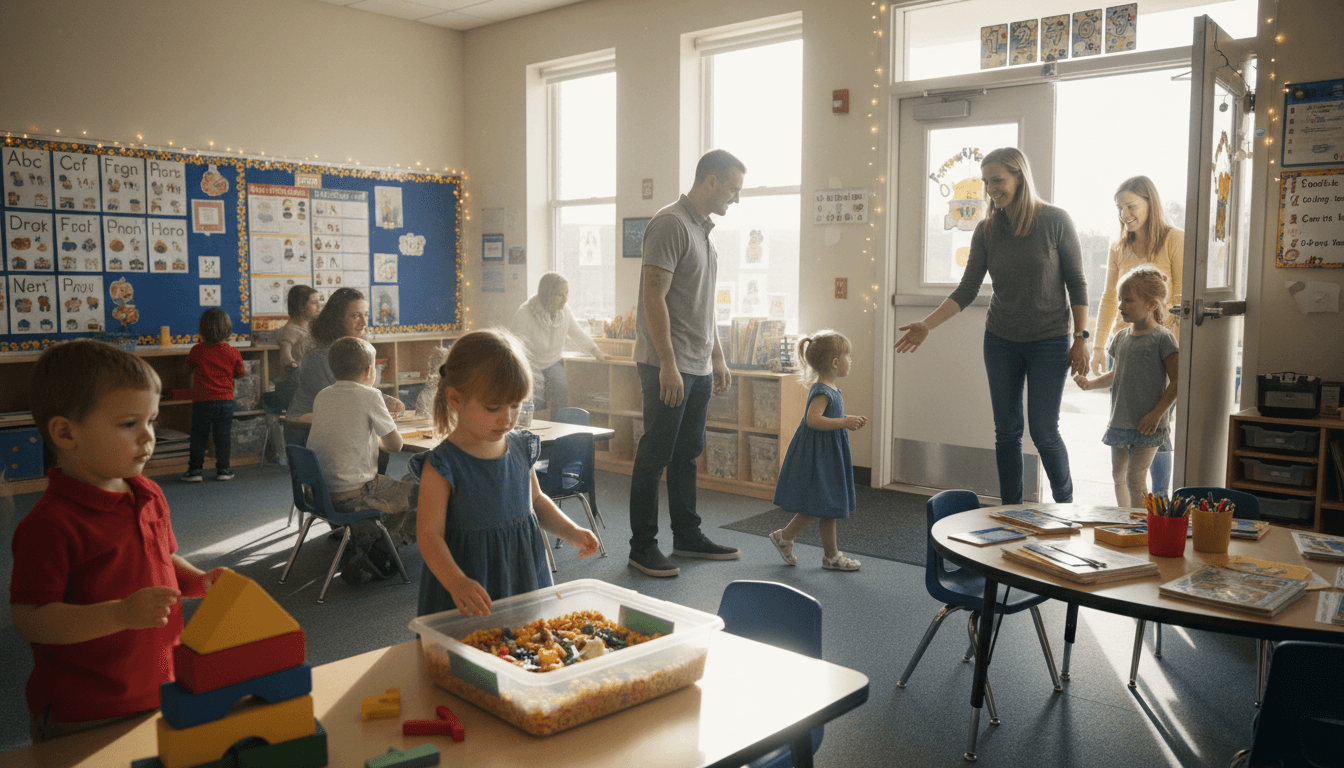
The home-school connection newsletter is not about any specific topic. It is about the relationship between the teacher and the family. A well-written home-school connection newsletter communicates that the teacher sees families as essential partners in their child's education and that the communication channel runs in both directions.
This relationship, established clearly at the beginning of the year, is the foundation that makes every other communication more effective.
Defining the partnership explicitly
State the partnership model clearly in the newsletter. Not in abstract language about community but in specific terms: you know your child in ways I cannot from inside a classroom. I know how your child is developing academically and socially in ways you cannot see at home. When we share that knowledge regularly, we can support your child more effectively than either of us can alone.
Families who hear this framing arrive at conferences with more useful information, communicate concerns earlier, and follow up on teacher suggestions more consistently than those who receive only one-way information updates.
Communication channels mapped clearly
Define the communication architecture for the year. The weekly newsletter is the regular information stream. Email is the right channel for a question that needs a response within 24 hours. A note in the backpack folder works for quick one-way information. Phone or in-person meeting is for anything complex or sensitive. Knowing which channel to use for which situation prevents both the family frustration of sending emails that do not get quick responses and the teacher frustration of getting urgent calls about things that could have been resolved with a quick note.
What families can do at home that actually helps
Give specific, actionable home support suggestions rather than vague encouragement. Read together every night. Talk about school using open-ended questions such as what made you laugh today rather than what did you do today. Keep the morning routine consistent so the child arrives ready to learn rather than rushed and anxious. Ensure adequate sleep.
These four practices are accessible to every family regardless of educational background or resource level. They are also among the most impactful things families can do for their kindergartner's success.
Involvement options for different family schedules
List involvement options that span a range of time commitment and physical presence. In-classroom volunteering for families who are available during school hours. Event support for families who can participate on specific days. At-home contribution such as preparing materials or making donations. Staying engaged with newsletters and responding when teachers reach out. All levels are valuable and all should be named.
What the teacher needs from families to do her job well
Close the newsletter with an honest statement of what you need. Prompt responses to forms and permission slips. Advance notice of significant changes in the child's home life that might affect behavior or learning. Communication about concerns before they become big problems. When teachers articulate their needs directly, families understand what helpful partnership actually looks like rather than guessing.
Get one newsletter idea every week.
Free. For teachers. No spam.
Frequently asked questions
What is the most important message a home-school connection newsletter can convey?
That the teacher and the family are on the same team. Families who feel they are in a partnership with the teacher communicate more openly, respond to concerns more collaboratively, and support learning at home more consistently than families who feel the school is operating on the other side of a wall.
What communication channels should the newsletter describe?
The primary channel for routine updates such as a weekly newsletter or app, the best method for questions that need a response within a day, the process for requesting a meeting or phone call, and how urgent concerns should be communicated. Four channels clearly defined prevents the communication confusion that generates frustrated parents and exhausted teachers.
How much family involvement in the classroom should a kindergarten newsletter describe?
Describe a range of options so families with different availability can find something that fits. Classroom volunteers during instructional time, event help, at-home support such as reading together, and simply responding to newsletters and updates. Families who cannot volunteer in person should feel their at-home involvement is equally valued.
How does a home-school connection newsletter handle families who are disengaged or difficult to reach?
It does not address them specifically but it reduces the gap by making communication as accessible as possible. A clear, warm newsletter with a consistent schedule reaches more families than sporadic communications. Families who receive the newsletter on the same day each week build a reading habit.
How does Daystage support home-school connection communication?
Daystage is designed for classroom newsletter communication and builds the consistent, professional subscriber-list-based communication system that makes home-school connection newsletters sustainable across the full year.

Adi Ackerman
Author
Adi Ackerman is a former classroom teacher and curriculum writer with 8 years in K-8 schools. She writes about school communication, parent engagement, and what actually works in real classrooms.
More for Kindergarten Transition
Kindergarten Schedule and Routine Newsletter: How to Help Families Prepare for a Structured School Day
Kindergarten Transition · 5 min read
Kindergarten Teacher Introduction Newsletter: How to Introduce Yourself to Families Before the Year Begins
Kindergarten Transition · 5 min read
Kindergarten Developmental Readiness Newsletter: How to Communicate What Schools Look For Without Creating Panic
Kindergarten Transition · 6 min read
Ready to send your first newsletter?
3 newsletters free. No credit card. First one ready in under 5 minutes.
Get started free