
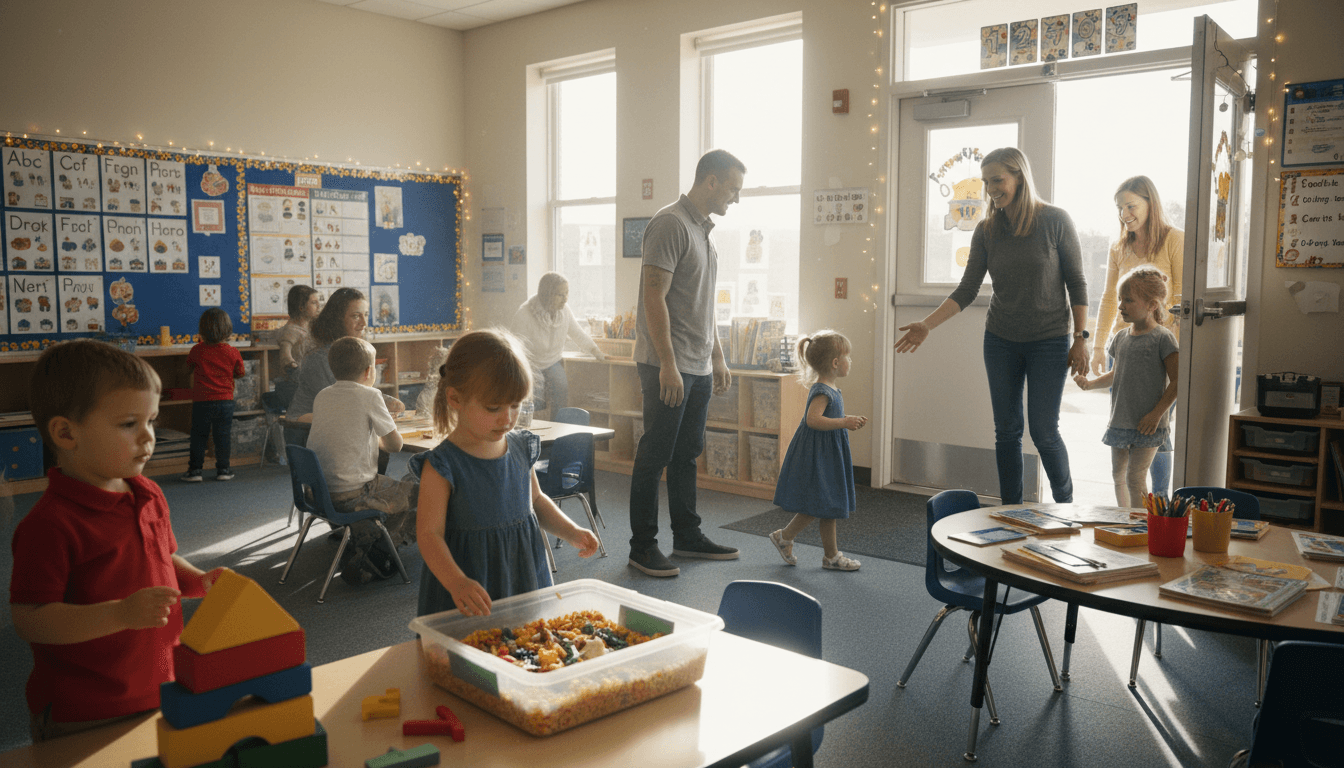
Kindergarten Developmental Readiness Newsletter: How to Communicate What Schools Look For Without Creating Panic
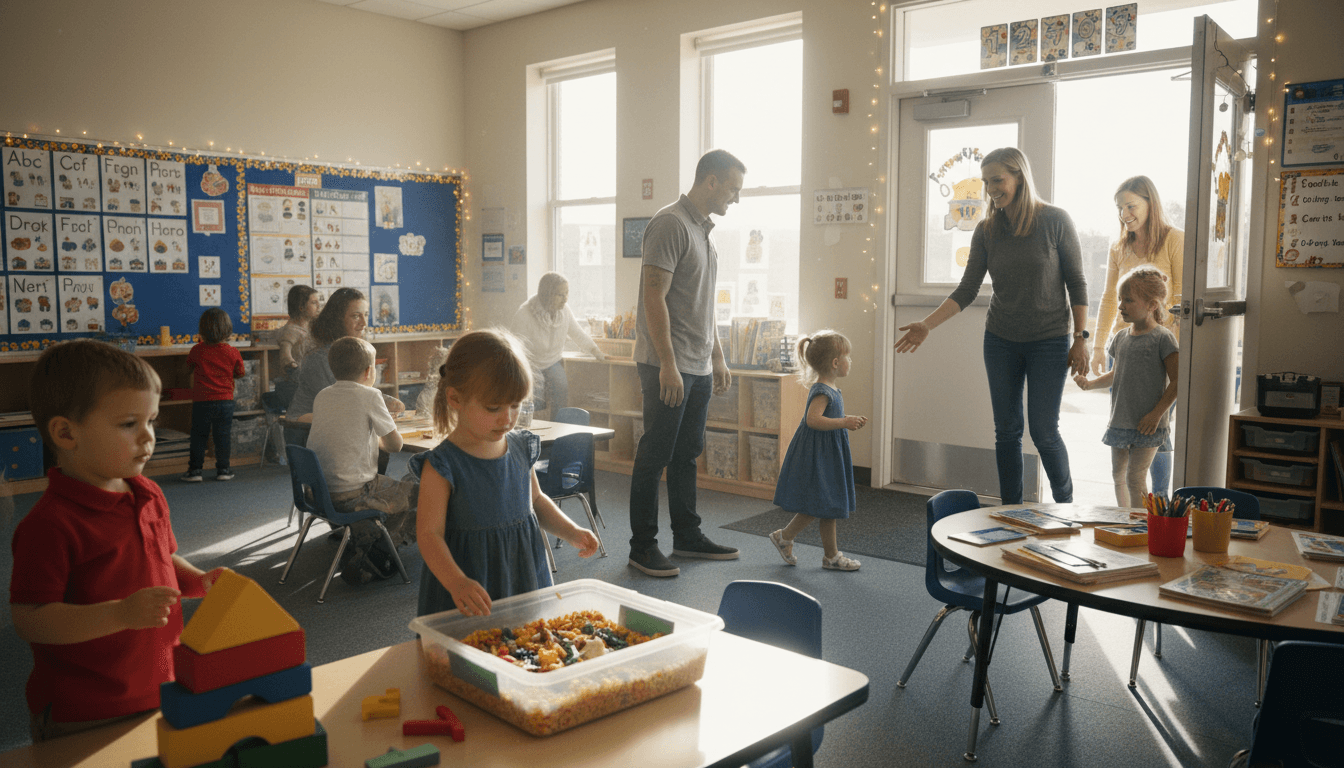
Developmental readiness is a topic that every kindergarten teacher and enrollment coordinator navigates carefully. Families want to know what is expected. Schools want families to be informed. But the line between helpful information and anxiety-inducing comparison is easy to cross in a general newsletter.
The goal is to give families genuine, useful developmental information while making clear that kindergarten teachers are trained to work with the full range of where five-year-olds are when they arrive, not a narrower band of readiness that excludes children who developed differently.
Physical development
Fine motor skills are among the most practically relevant physical milestones for kindergarten because they affect the child's ability to write, use scissors, and manage classroom materials. Families who practice fine motor activities over the summer are giving their children a genuine head start.
Activities that build fine motor skills include drawing, coloring, puzzles, playdough, building with small blocks, using tongs to sort objects, and any activity that requires pinching and releasing small items. The newsletter should frame these as fun summer activities, not remediation exercises.
Language and communication
Kindergarten teachers rely on children being able to communicate their needs verbally. A child who can ask for help, name their feelings in simple terms, and follow two to three step verbal directions is well positioned for the communication demands of a kindergarten classroom.
Families can support language development through daily conversation about what happened that day, reading aloud, asking questions that require more than a yes or no, and narrating activities as they do them together.
Cognitive and pre-academic skills
Specific cognitive readiness markers that predict kindergarten success include: recognizing their own written name, counting objects to ten or beyond, recognizing letters especially the letters in their name, sorting objects by color and shape, and listening to a five to ten minute story with attention.
Present these as targets to work toward over the summer, not requirements to arrive meeting. Some children will arrive already past all of them. Others will arrive with several still developing. Both are completely normal kindergarten entry profiles.
Social and emotional development
Social and emotional readiness is the most predictive factor for how smoothly a child adjusts to kindergarten. Can the child take turns? Can they play alongside others without constant adult mediation? Can they manage disappointment without a meltdown that lasts longer than a few minutes?
These skills develop through playdates, group activities, preschool experience, and consistent family routines. Families can support them specifically by giving their child practice in situations where they do not always get what they want.
What kindergarten does with developmental variation
Close the readiness newsletter with a clear statement: kindergarten teachers are trained to assess where every child is on arrival and to build instruction from that point. Developmental variation is the norm, not an exception the teacher is not prepared for. Every incoming kindergarten class contains children across a wide developmental range, and that range is exactly what the curriculum and teaching approaches are designed to serve.
Get one newsletter idea every week.
Free. For teachers. No spam.
Frequently asked questions
What developmental domains should a readiness newsletter cover?
Cover four areas: physical development including fine and gross motor skills, language and communication, cognitive skills including pre-literacy and pre-math, and social-emotional development. All four areas are assessed in kindergarten readiness and all four are areas where families can support development before school starts.
How do you explain developmental variation without families concluding their child is behind?
Lead every milestone section with an acknowledgment that children develop at different rates and that kindergarten teachers are trained to meet children where they are. Use language like children are typically developing when rather than children should be able to. The word should carries judgment that typically does not.
When should developmental concerns be addressed in a newsletter versus through individual communication?
The newsletter covers general developmental milestones and normal variation. Individual concerns should never be addressed in a newsletter. Any family who has specific concerns about their child's development should be directed to a personal conversation with the teacher, the school counselor, or the child's pediatrician.
How should the newsletter address children with identified developmental delays?
Include a brief note that families whose child has an IEP, 504 plan, or developmental support services should contact the school's special education team before the start of school to ensure supports are in place. Do not describe what those supports look like in a general newsletter.
How does Daystage help schools send developmental readiness newsletters?
Daystage supports school and classroom newsletter communication. Enrollment coordinators and kindergarten teams use it to send readiness newsletters to incoming families with consistent formatting across all classroom sections.

Adi Ackerman
Author
Adi Ackerman is a former classroom teacher and curriculum writer with 8 years in K-8 schools. She writes about school communication, parent engagement, and what actually works in real classrooms.
More for Kindergarten Transition
Ready to send your first newsletter?
3 newsletters free. No credit card. First one ready in under 5 minutes.
Get started free