
Kindergarten Schedule and Routine Newsletter: How to Help Families Prepare for a Structured School Day
The kindergarten school day is a fundamentally new experience for most five-year-olds. Even children who attended preschool find the longer hours, more structured schedule, and different expectations of kindergarten to be a significant adjustment. Families who understand the structure of the day can help their children prepare for it. Families who have no picture of what each school day looks like cannot.
A schedule and routine newsletter is one of the simplest and most useful communications a kindergarten teacher can send before the school year starts.
What the schedule newsletter should cover
The newsletter should cover the major blocks of the school day in order with approximate times and brief descriptions. A typical kindergarten schedule overview looks something like:
- Arrival and morning routine, typically 15 to 20 minutes
- Morning meeting or circle time
- Reading and literacy block
- Math block
- Snack or transition
- Special class if applicable on that day
- Recess or outdoor play
- Lunch
- Rest or quiet time if your school includes it
- Afternoon literacy or project time
- Afternoon circle and dismissal preparation
Give approximate times for each block. Precision is less important than a general sense of the rhythm.
Morning arrival routines
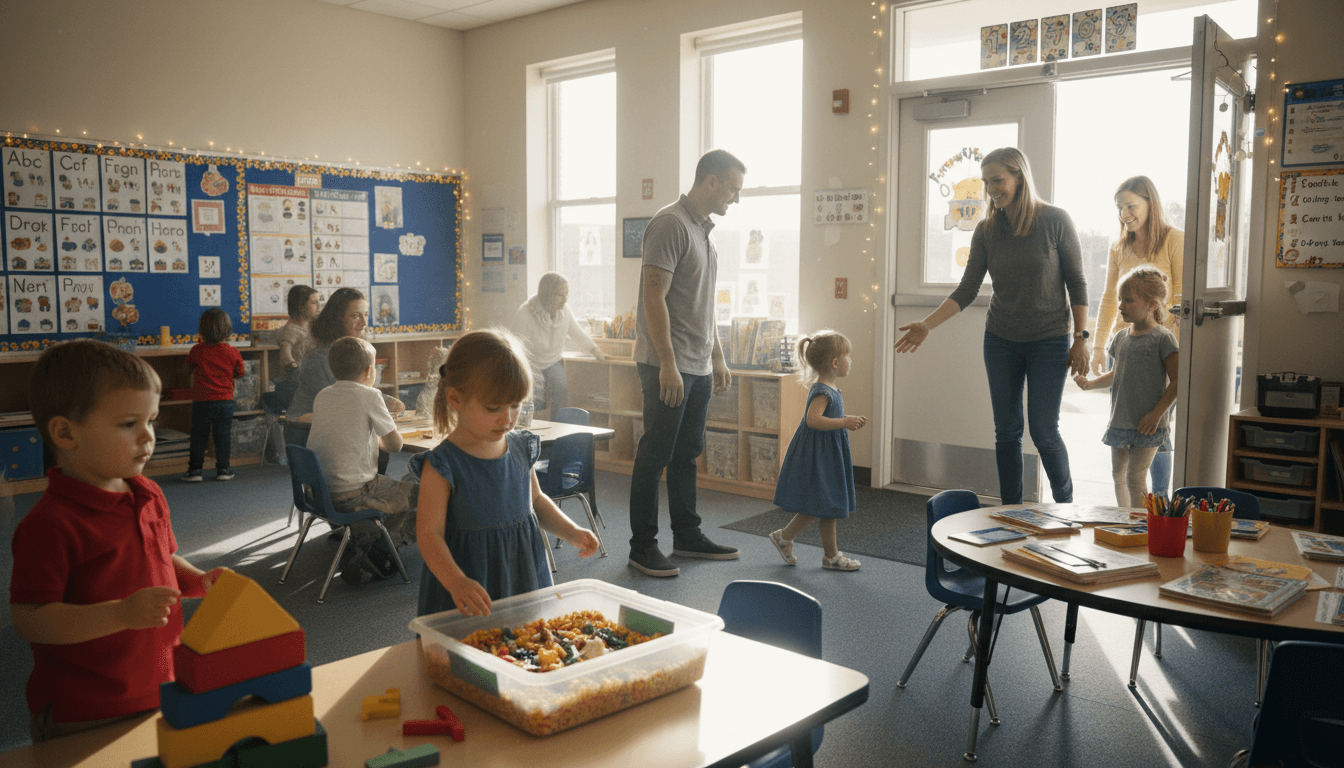
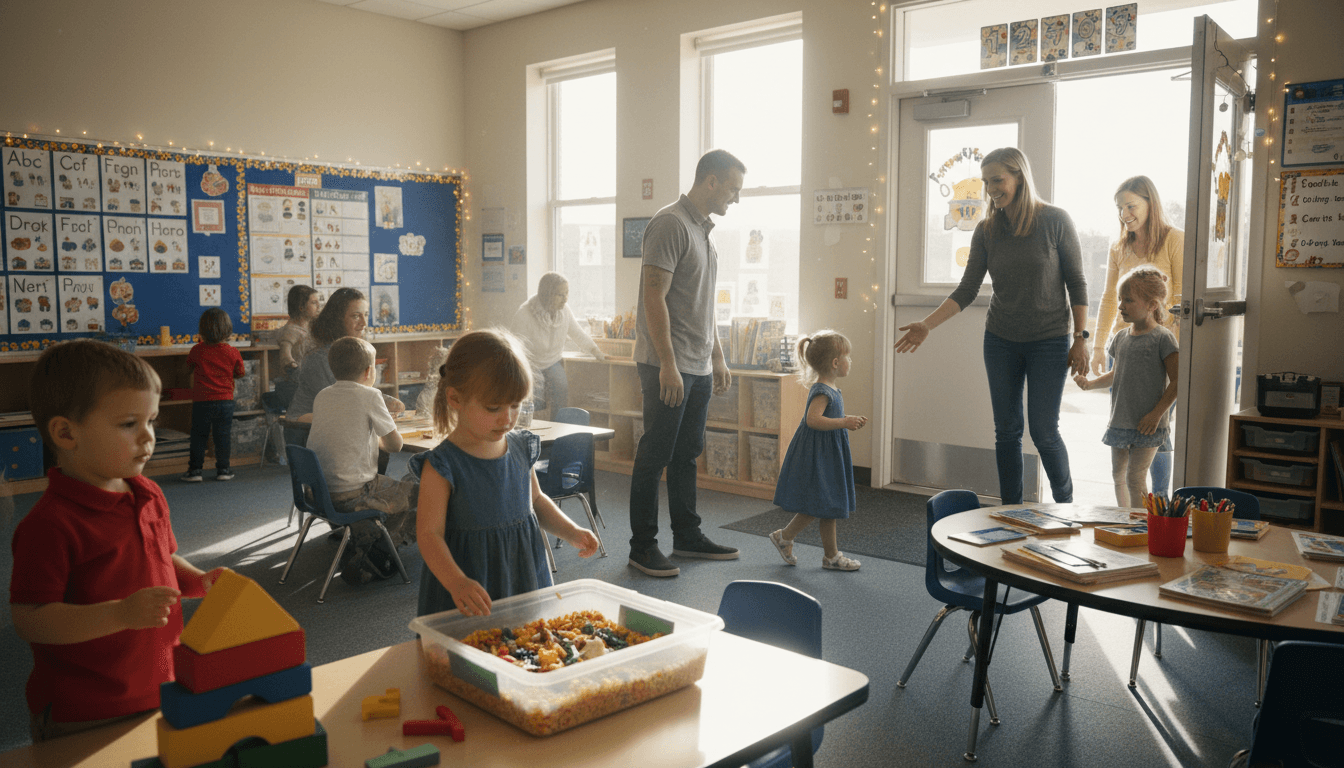
Describe specifically what children do when they arrive at school. Do they hang up their backpack, put materials in a folder tray, and start an activity at their table? Do they gather on the carpet? The specific morning routine is one of the most anxiety-producing unknowns for a child who has never been to kindergarten. Describing it in the newsletter gives families something concrete to walk their child through.
Transitions and what helps children manage them
Kindergartners often struggle most with transitions between activities, not with the activities themselves. Help families understand what transitions look like in your classroom and what they can practice at home. A five-year-old who has practiced stopping one activity quickly and moving to another at home manages kindergarten transitions with less friction.
Using the schedule at home
Include a brief note about how families can use the schedule to talk to their child about school. When a parent can say "right now you would be at recess" or "this is about when you eat lunch," the child builds a mental map of their day that reduces uncertainty. This is especially valuable for children who experience separation anxiety and feel lost in the middle of the day.
Get one newsletter idea every week.
Free. For teachers. No spam.
Frequently asked questions
Why do families need a schedule and routine newsletter for kindergarten?
Many kindergartners have never experienced a structured six-hour school day. Families who understand the daily schedule can prepare their child at home by practicing routines that mirror school transitions. Morning arrival, lunch, rest time, and afternoon pickup all feel less unfamiliar to children whose families have talked them through what to expect.
How much detail should a kindergarten schedule newsletter include?
Enough to give families a clear picture of the day without overwhelming them with minute-by-minute logistics. Block descriptions such as morning circle from 8:15 to 8:45, reading centers from 9 to 10, and outdoor play from 10:15 to 10:45 are appropriate. Include approximate times and a brief description of what happens in each block.
How should the newsletter explain naptime or rest time for kindergartners?
Be direct: state whether rest time is part of the day, how long it is, and what it involves. Many five-year-olds do not sleep during rest time and that is fine. Describe what children who are awake do during rest time. Families who receive this information in advance are less likely to be surprised or concerned when their child comes home and says they had to be quiet after lunch.
How does the schedule newsletter help children with transition challenges?
A child who has heard their parent describe the school day in advance can place themselves mentally in each part of the day. The familiarity reduces the anxiety that comes from not knowing what comes next. Research on kindergarten transition consistently shows that predictability is one of the strongest buffers against first-week distress.
How does Daystage support kindergarten schedule communication?
Daystage handles inline email for classroom teachers. A schedule newsletter sent through Daystage renders well on mobile so families can reference it on their phone when talking to their child about what the school day looks like.

Adi Ackerman
Author
Adi Ackerman is a former classroom teacher and curriculum writer with 8 years in K-8 schools. She writes about school communication, parent engagement, and what actually works in real classrooms.
More for Kindergarten Transition
Kindergarten Community Helpers Newsletter Guide
Kindergarten Transition · 5 min read
Kindergarten Lunch and Snack Newsletter: What Families Need to Know Before the First Cafeteria Day
Kindergarten Transition · 5 min read
Kindergarten Reading Readiness Newsletter: What Families Can Do Before the First Day to Support Literacy
Kindergarten Transition · 5 min read
Ready to send your first newsletter?
3 newsletters free. No credit card. First one ready in under 5 minutes.
Get started free