
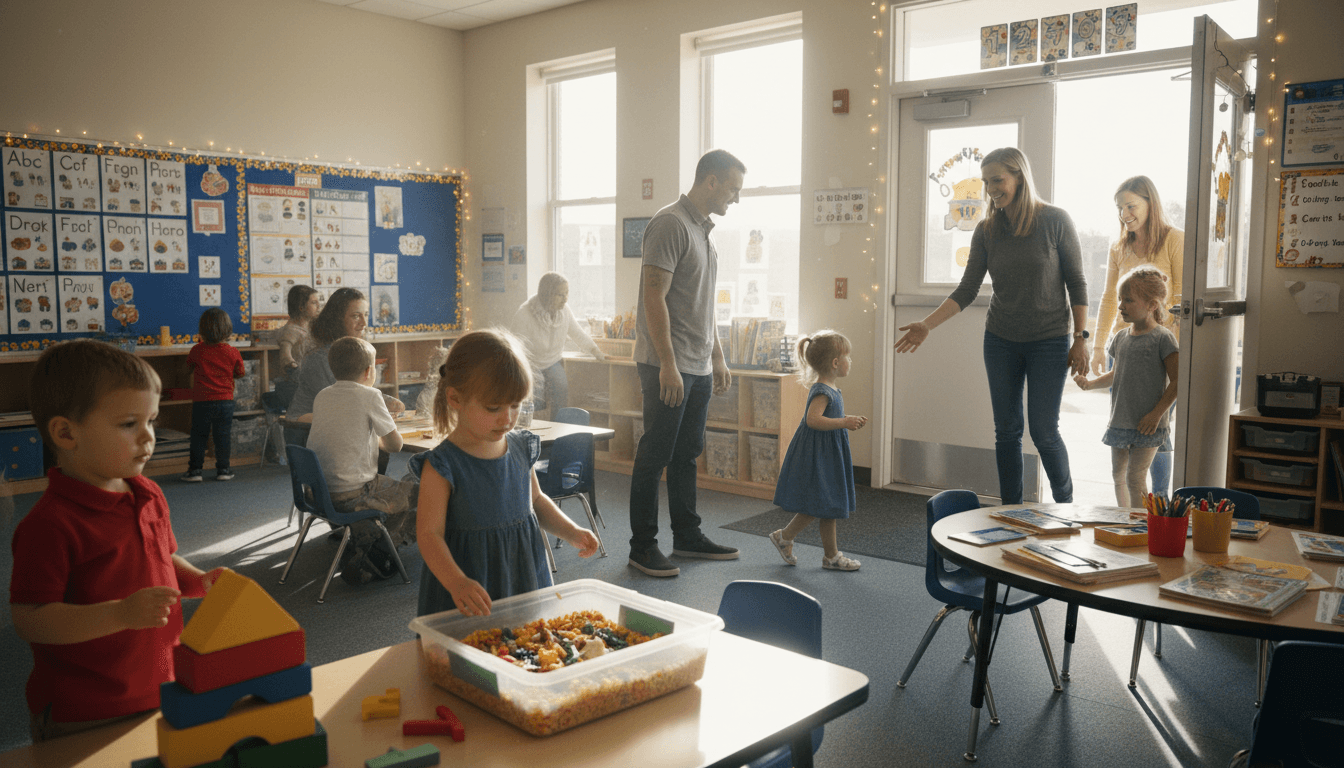
Kindergarten Teacher Introduction Newsletter: How to Introduce Yourself to Families Before the Year Begins
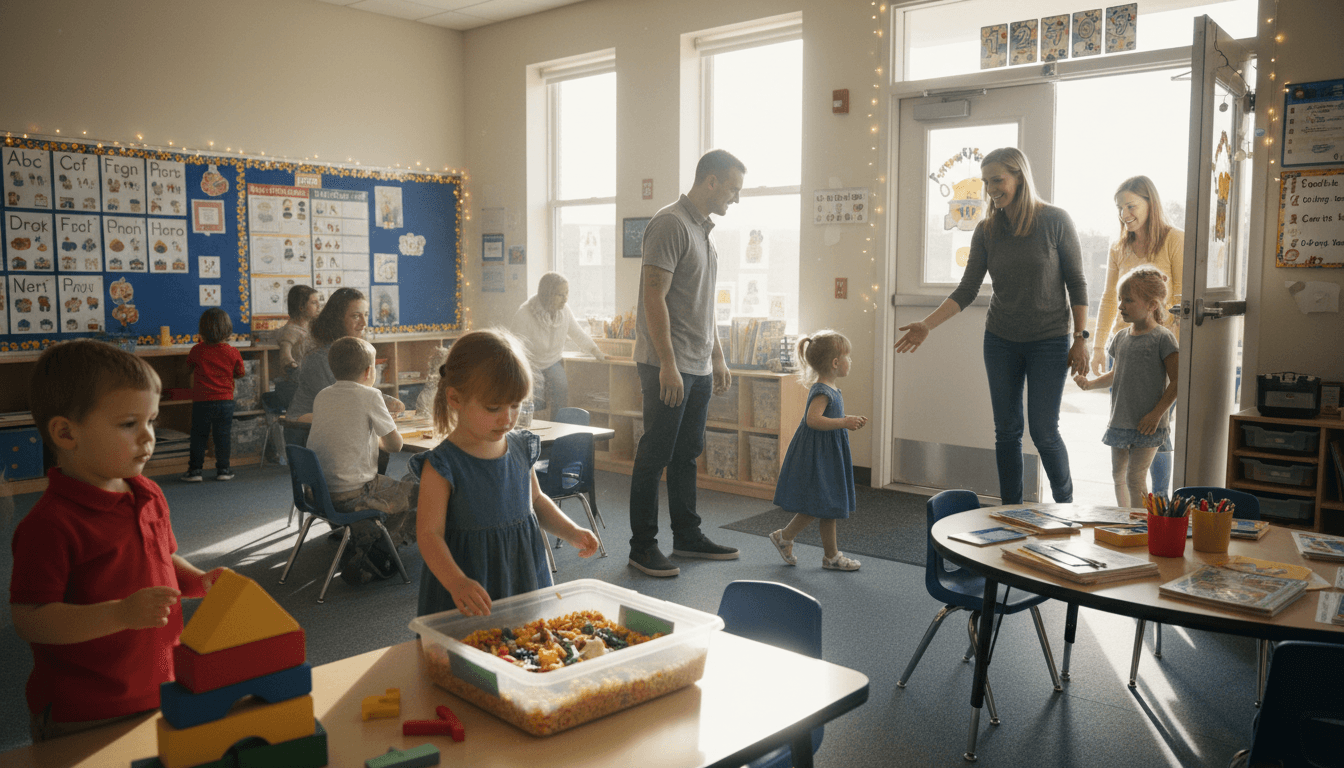
Families of incoming kindergartners are handing the most important person in their life to someone they have never met. The teacher introduction newsletter is often the first time a family learns who that person is. It either creates a foundation of trust or starts the year with a blank slate that will take weeks of interaction to fill.
A genuine, specific, personal introduction takes twenty minutes to write and pays dividends across the whole year.
Why genuine specificity matters
Generic teacher introductions create generic impressions. "I have been teaching for ten years and I am passionate about helping every child reach their potential" tells a family nothing about the person who will care for their child. It sounds like a form letter because it is a form letter.
Specific introductions create real impressions. "I started teaching kindergarten because I found first grade fascinating but wanted to be at the very beginning, when children first start to realize that the marks on the page carry meaning. That moment still happens every year and it never gets old." That sentence tells a family something true and specific about the person teaching their child.
What to share and what to leave out
Share professional specifics: years of experience with this age group, any particular approach or philosophy that defines your classroom, and one or two personal interests that are genuinely relevant to who you are as a teacher. A teacher who is an avid nature observer might run a more science-rich outdoor program. A teacher who loves children's literature might build a particularly deep reading program.
Leave out personal information that is not relevant to families' relationship with you as their child's teacher. Details about your home life, health, or personal relationships belong outside the introduction newsletter. The families want to know you as the person who teaches their child, not as a complete biography.
Your teaching philosophy in three sentences
Include a brief philosophy statement: three sentences that capture how you think about kindergarten. What you believe children at this age need. How you balance structure and play. What you are working toward by June. This gives families a frame for everything that happens in the classroom across the year.
What families can do to connect before the year starts
Include a brief invitation. Email to introduce themselves and their child if they would like. Attend orientation with a specific date reminder. Share anything about their child that would help you know them better before the first day.
This invitation signals that the teacher values the family as a partner and that communication is a two-way relationship, not a broadcast from school to home.
Get one newsletter idea every week.
Free. For teachers. No spam.
Frequently asked questions
When should a kindergarten teacher send an introduction newsletter?
Send it in late July or early August, about two to four weeks before the school year starts. This timing gives families enough lead time to share it with their child, form a positive impression, and arrive at orientation already feeling a connection to the teacher.
What personal information should a teacher share in an introduction newsletter?
Two to three genuine personal details work well: how long you have taught kindergarten, something that brought you to this age group specifically, and one interest or characteristic that influences how you approach your classroom. Avoid oversharing personal life details but do not be so generic that the introduction feels like a form letter.
How do you write a teacher introduction newsletter that works for families from different backgrounds?
Write in plain, warm language that does not assume educational background, familiarity with school vocabulary, or cultural context. Use I and we rather than one. Avoid acronyms and jargon. If the school serves multilingual families, consider whether a translated version can be sent alongside the English.
Should the teacher's photo appear in the introduction newsletter?
Yes when possible. A photo reduces the abstraction of meeting someone through text alone. Families who have seen the teacher's face before the first day feel more connected and less anxious. A classroom photo or a natural outdoor photo works better than a stiff professional headshot.
How does Daystage help kindergarten teachers send introduction newsletters?
Daystage supports classroom newsletter communication. Teachers use it to send introduction newsletters with photos and formatted text that render professionally on mobile without requiring the teacher to design an email template from scratch.

Adi Ackerman
Author
Adi Ackerman is a former classroom teacher and curriculum writer with 8 years in K-8 schools. She writes about school communication, parent engagement, and what actually works in real classrooms.
More for Kindergarten Transition
Kindergarten Math Readiness Newsletter: How to Help Families Build Number Sense Before School Starts
Kindergarten Transition · 5 min read
Kindergarten Report Card Newsletter Guide for Families
Kindergarten Transition · 5 min read
Kindergarten Supply List Newsletter: How to Tell Families What to Buy Without the Confusion
Kindergarten Transition · 5 min read
Ready to send your first newsletter?
3 newsletters free. No credit card. First one ready in under 5 minutes.
Get started free