
Learning Pod Newsletter: Our Tight-Knit Learning Community Updates
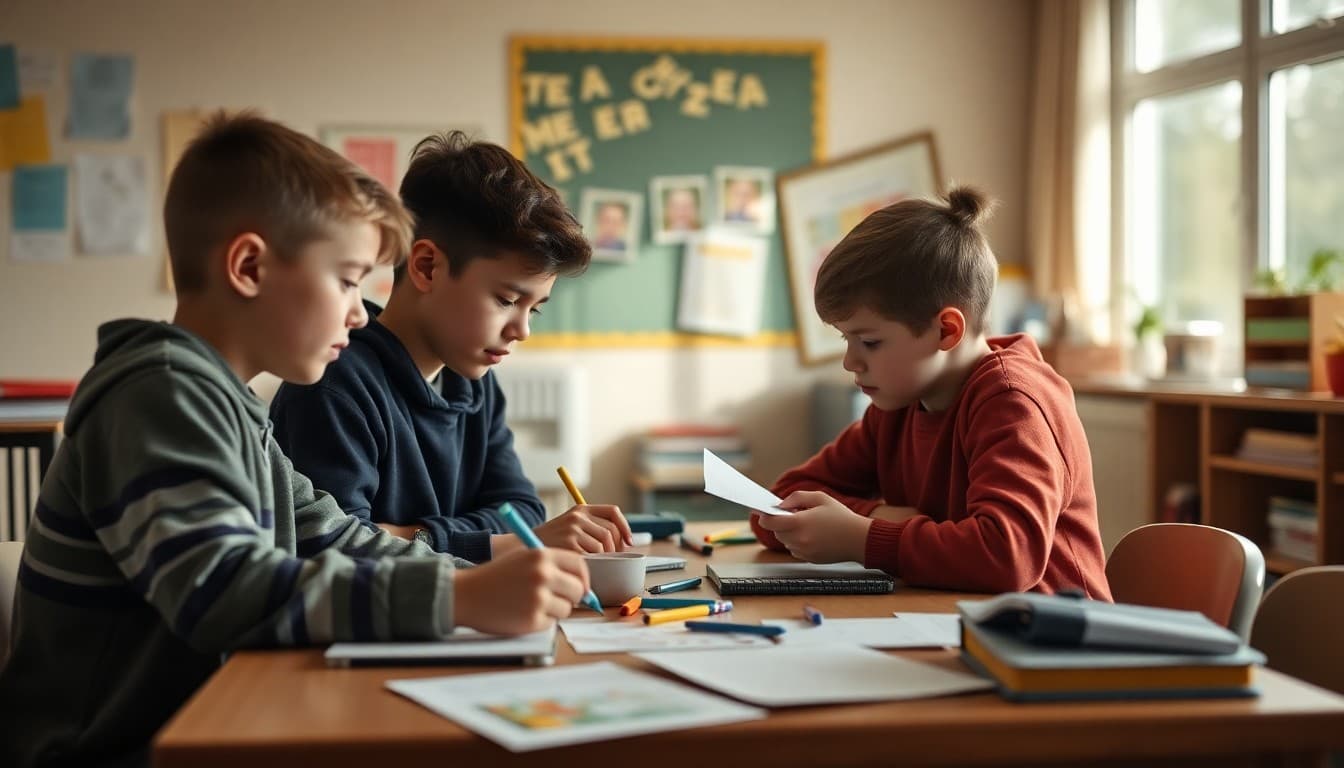
Learning pods emerged from the education disruptions of the early 2020s and have continued as a model that many families find genuinely superior to both full homeschooling and conventional schooling. A small group of students, shared instruction from a paid educator or rotating parents, and close family involvement create an educational environment that scales neither up nor down well but works extraordinarily well at pod size.
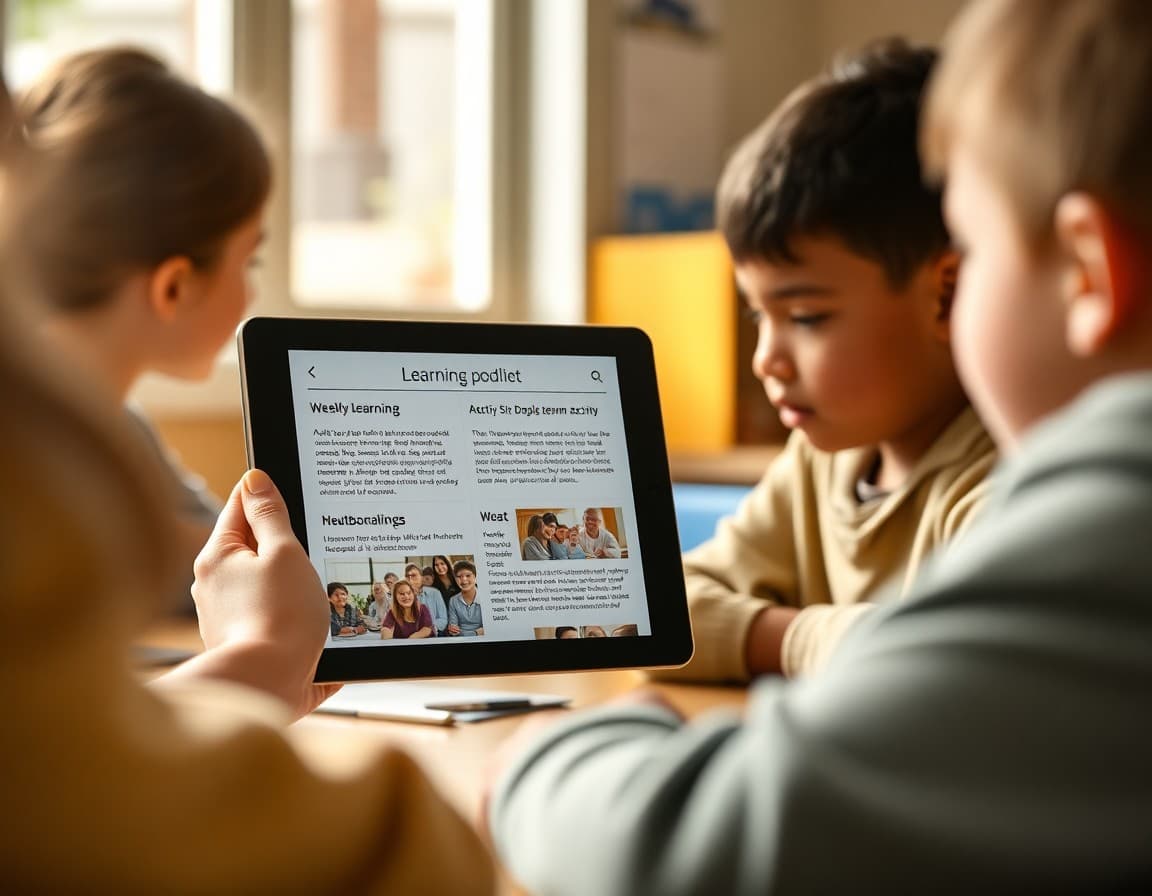
The newsletter keeps the pod's small community coordinated, informed, and connected across the sessions and home days that make up a week of pod education.
What makes a pod newsletter different
A pod newsletter serves multiple families rather than one. It coordinates schedules, provides learning documentation for each family's individual homeschool records, and builds the community trust that keeps a pod functioning well over time. A pod where families feel informed and connected is more cohesive, more resilient to conflict, and more likely to sustain itself across years.
Unlike a microschool newsletter, which is sent by an institution, a pod newsletter is often sent by one of the participating families. This peer-to-peer character means the tone is more intimate and the writing can be more direct.
Documenting pod sessions for individual family records
Each family in the pod has their own homeschool documentation needs. The pod newsletter serves all of them simultaneously. When the newsletter covers the science experiment conducted in Thursday's pod session in enough detail, every family can reference that entry in their own portfolio documentation.
This shared documentation function is one of the most practical benefits of a well-written pod newsletter. Instead of each family trying to document what happened in pod sessions from memory, the newsletter provides a single accurate record that all families can draw from.
Connecting pod instruction to home learning
Pods typically handle part of the curriculum while home learning handles the rest. The newsletter is where these two halves coordinate. Noting what was covered in the pod session and what home learning connects to or extends that instruction gives parents the framework they need to make home instruction coherent rather than isolated.
A specific handoff works better than a vague one. "We introduced the water cycle model in science today. At home, students should observe and record any precipitation, cloud formations, or temperature changes they notice over the next three days. We will discuss their observations at next Tuesday's session" is specific enough to guide home learning.
Schedule coordination in the newsletter
Pods depend on coordinated schedules among multiple families. Any schedule changes, holiday adjustments, or session location changes need to reach all families reliably and in advance. The newsletter is the most reliable communication channel for this information because it arrives in email inboxes and is not buried in a group text thread.
Keep the schedule section consistently positioned in the newsletter so families know exactly where to look for it.
Managing pod membership transitions
Learning pods change membership over time. Families leave, new families join, ages of students shift the curriculum focus. The newsletter handles these transitions gracefully. A welcome note for a new pod family, a farewell acknowledgment for a departing one, and a description of how curriculum is adapting as students age all belong in the newsletter.
Transitions are often the most stressful periods for pod communities. A newsletter that acknowledges changes honestly and thoughtfully maintains the trust that holds the pod together through them.
Building the pod archive with Daystage
A pod that has been operating for two or more years has a newsletter archive that documents a genuine shared educational experience. This archive is valuable for individual family documentation purposes and for the pod community itself. Daystage keeps the archive organized and accessible so any pod family can reference the full history of what was covered in pod sessions across the years their students participated.
Get one newsletter idea every week.
Free. For teachers. No spam.
Frequently asked questions
What is a learning pod and how does its newsletter differ from a homeschool newsletter?
A learning pod is a small group of families who pool their children for shared instruction, typically with a paid educator or rotating parent instruction. The newsletter serves the pod as a whole rather than a single family, coordinating schedules, documenting shared learning, and keeping all families informed about what is happening across pod days.
What should a learning pod newsletter include?
A pod newsletter should cover what was taught during pod sessions with enough detail for parents to follow up at home, upcoming schedules and any changes, materials students need to bring to the next session, what home learning connects to pod instruction, and any community updates or events.
How do you coordinate newsletter contributions in a learning pod?
If the pod has a hired educator, they write the learning summary. If pod instruction rotates among parents, the parent who led that week's sessions writes the summary. A designated newsletter coordinator collects contributions and sends the compiled newsletter to all pod families.
How do learning pod newsletters help with documentation for individual families?
Pod newsletters serve as documentation for each family's portfolio or state compliance records, not just community communication. Each family can reference the newsletter archive to show what subjects were covered in pod sessions and what the level of instruction involved.
How does Daystage help learning pods send newsletters?
Daystage provides a simple platform for pod coordinators to build and send weekly newsletters to all pod families. The platform handles the subscriber list and formatting so coordination stays simple even as the pod grows or membership changes.

Adi Ackerman
Author
Adi Ackerman is a former classroom teacher and curriculum writer with 8 years in K-8 schools. She writes about school communication, parent engagement, and what actually works in real classrooms.
More for Homeschool
Ready to send your first newsletter?
3 newsletters free. No credit card. First one ready in under 5 minutes.
Get started free