

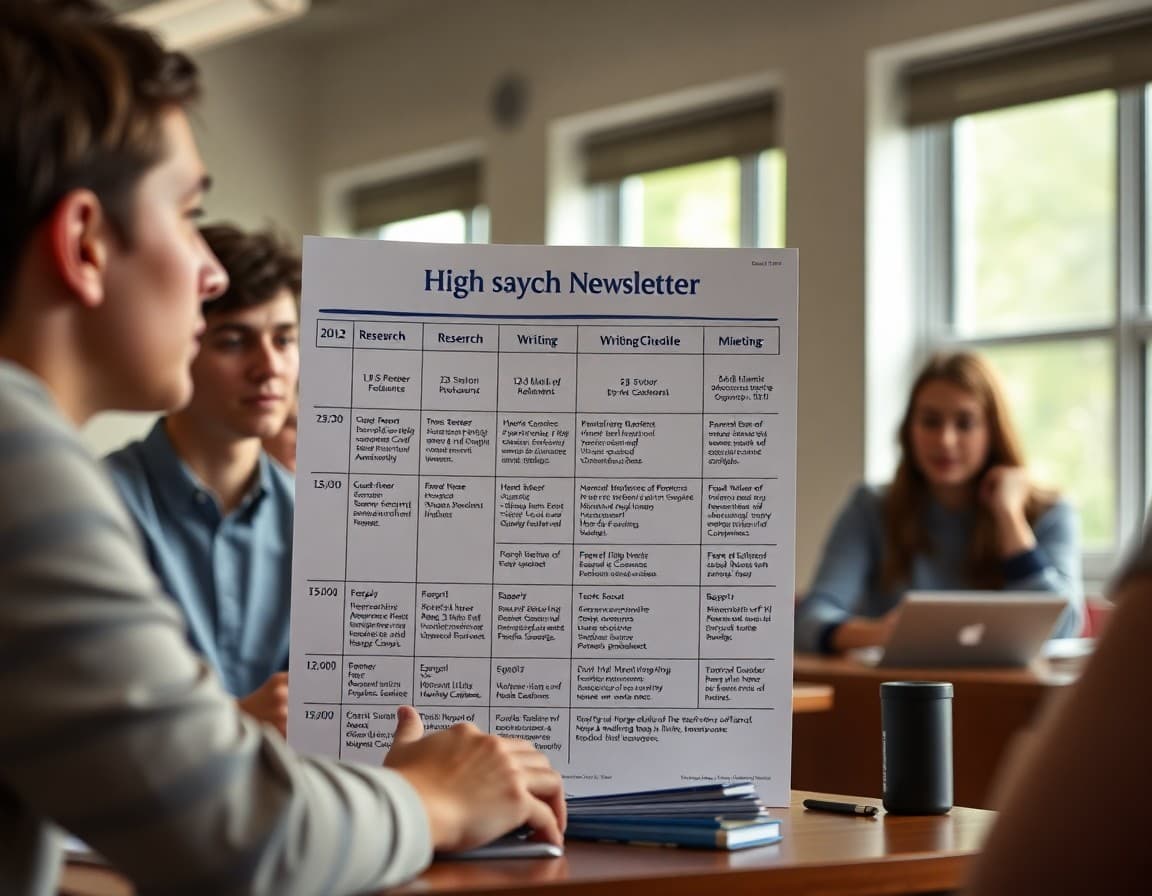
Teacher Newsletter for Thesis Writing: Supporting High School Students at Home
Why Communication Matters for This Topic
Teacher Newsletter for Thesis Writing: Supporting High School Students at Home Families who receive clear, timely information from their student's teacher make better decisions and provide more effective support than those who learn about requirements and deadlines after the fact.
What to Cover in the Newsletter
The most useful newsletters give parents the specific information they need to act: what the program or assignment involves, what the timeline looks like, what preparation is required, and who to contact with questions. Cover these four elements and you have a complete communication.
Connecting the Topic to Bigger Goals
Every program, assignment, and assessment in high school connects to larger academic and personal development outcomes. When your newsletter explains how the current topic builds skills or opens opportunities, parents understand why it deserves their attention and their student's effort.
Student Preparation and What Parents Can Support
List the specific preparation students need to succeed and identify two or three things parents can do at home to support them. Parents who know exactly what their support should look like provide better help than those who simply tell their student to "do their work."
Communicating Deadlines Clearly
Deadlines buried in the middle of a newsletter get missed. Put key dates in a visible location, either at the top of the newsletter or in a clearly labeled section. Repeat critical deadlines across two or three communications rather than assuming one mention is enough for every family to act on it.
Mid-Program Updates and Follow-Through
One newsletter launches a communication thread. Mid-program updates sustain it. A brief note covering progress, upcoming milestones, and any schedule changes keeps parents engaged and reduces the number of questions you field individually at drop-off or by email.
Using a Template to Stay Consistent
Consistent teacher newsletters come from consistent processes. Build a template with standard sections, pick the two or three most relevant topics each cycle, fill in the specifics, and send. A tool like Daystage makes the sending part fast enough that the habit survives the weeks when everything else is competing for your planning period time.
Get one newsletter idea every week.
Free. For teachers. No spam.
Frequently asked questions
What should a thesis writing newsletter for high school include?
A thesis writing newsletter should cover the thesis timeline from topic selection through final submission, what each stage requires (research, outline, draft, revision, citation), how the work will be assessed, what resources are available for research and writing support, and what parents can do to support the process without crossing into doing the work themselves.
What makes a strong high school thesis?
A strong high school thesis presents a clear, arguable claim, supports it with specific evidence from credible sources, synthesizes multiple perspectives rather than simply summarizing them, acknowledges counterarguments, and draws conclusions that go beyond what any single source says. These qualities develop through the revision process. A newsletter that explains this helps parents understand why first drafts are supposed to be rough.
How can parents support thesis writing without doing the work?
Parents can support thesis writing by asking their student to explain their argument out loud, helping them find relevant databases or library resources, ensuring they have protected writing time at home, asking what feedback they received and what they plan to revise, and reading the final product out of genuine interest. The essay belongs to the student. Parent input at the structural thinking level is welcome. Line-editing for them is not.
What is the difference between a high school thesis and a regular research paper?
A high school thesis makes an original argument based on research rather than summarizing what others have said. It requires synthesizing multiple sources, addressing counterarguments, and contributing a perspective the student developed rather than reporting one they found. Many students have not written a true thesis before and find the demand for original argument unsettling. A newsletter that names this transition helps families understand what the challenge actually is.
What tool helps high school teachers send newsletters about this topic?
Daystage is built for school communication. High school teachers use it to send formatted newsletters with program details, deadlines, and student preparation tips directly to parent and student email lists without extra design work.

Adi Ackerman
Author
Adi Ackerman is a former classroom teacher and curriculum writer with 8 years in K-8 schools. She writes about school communication, parent engagement, and what actually works in real classrooms.
More for High School
Ready to send your first newsletter?
3 newsletters free. No credit card. First one ready in under 5 minutes.
Get started free