
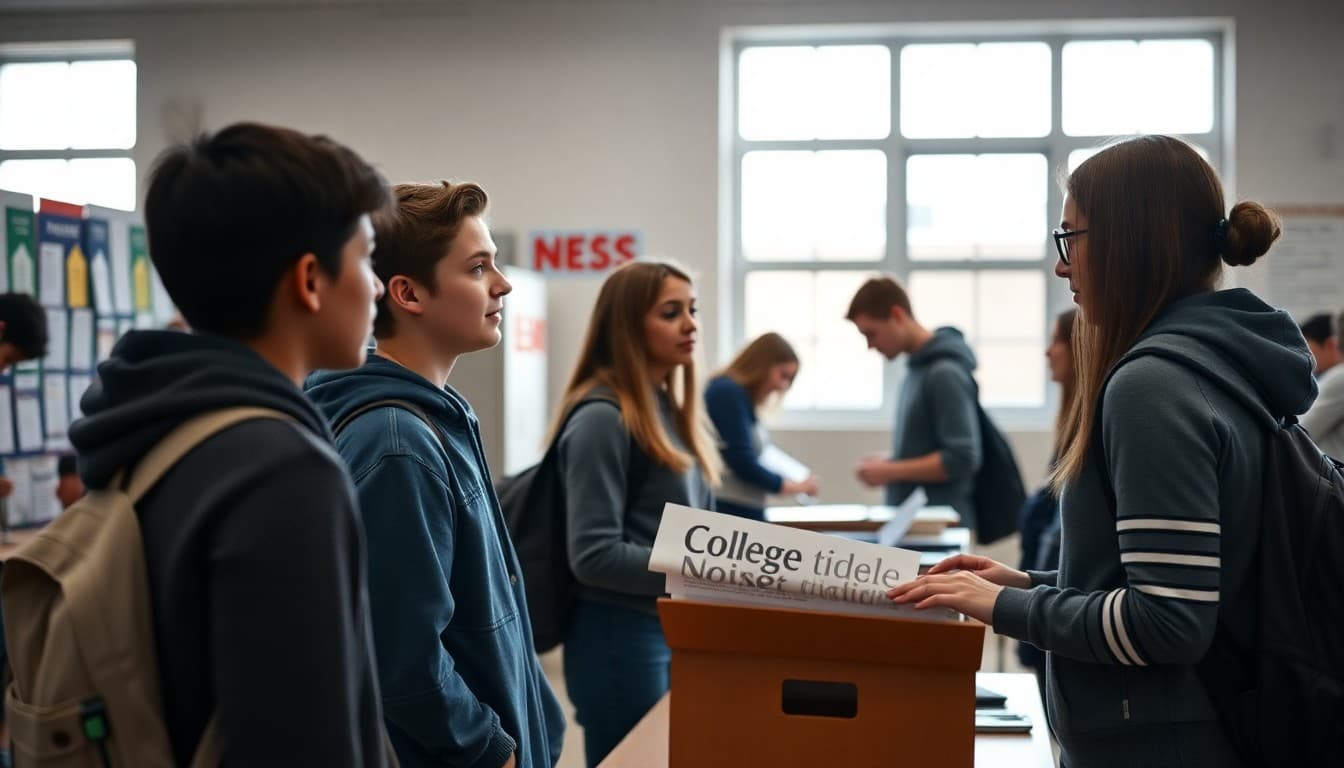
Teacher Newsletter About College Fairs: How to Help Students Prepare
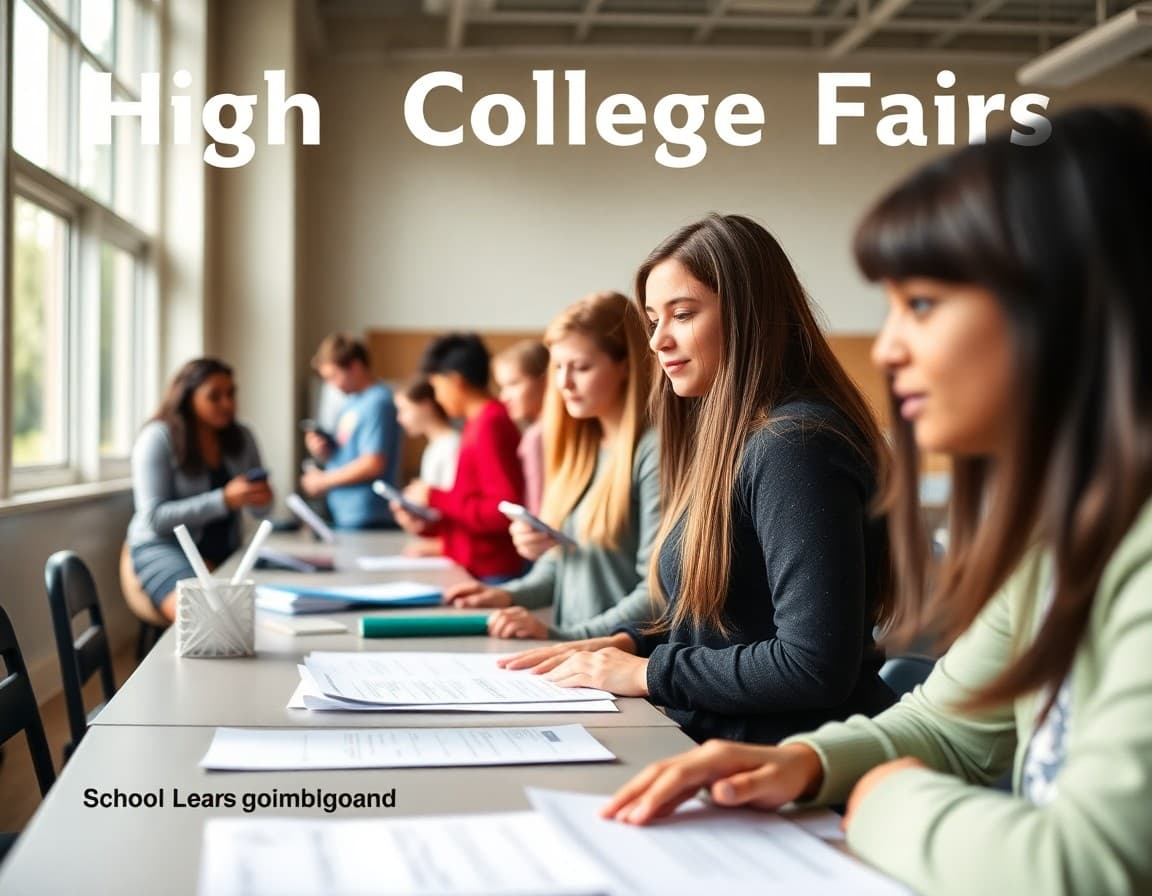
Why This Communication Matters
College fairs are most useful to students who arrive prepared and know how to use the time well. A teacher newsletter that explains how to prepare, what to ask, and how to follow up turns a passive fair attendance into an active step in the college search process.
What to Include in Your Newsletter
Send the college fair newsletter at least a week before the event so students have time to prepare a list of colleges to visit and specific questions to ask. Include the date, location, and a link to the list of participating colleges so students can research which booths to prioritize.
Connecting to Academic and Personal Development
Every program and assignment in high school connects to skills and opportunities that matter beyond the immediate task. Frame your newsletter in terms of what students are developing: communication skills, analytical thinking, professional habits, or specific domain knowledge. Parents who understand the bigger picture take the details more seriously.
Practical Information Families Need
Teach the preparation process in your newsletter: research the school online first, identify what questions the website does not answer, prepare specific questions for each school you plan to visit, and bring a written record of your academic statistics rather than memorizing them in the moment.
How Parents Can Support at Home
Address how to manage time at a larger fair. Students who spend thirty minutes at the first booth they visit miss the schools they most wanted to see. Encourage them to prioritize their list, move through efficiently, and note contact information for follow-up rather than trying to get every question answered on the spot.
Communicating During the Program or Season
An initial newsletter launches the conversation. Mid-program updates sustain it. A brief note covering current progress, upcoming milestones, and any schedule changes prevents the drift that happens when parents go several weeks without contact. Keep follow-up communications shorter than the launch newsletter and focused on what families need to act on right now.
Building Communication That Lasts the Year
A post-fair follow-up newsletter the week after the event reinforces what students should do with the information they collected: update their college list, send follow-up notes, and research any schools that surprised them positively. The fair is only useful if students act on what they learned. Use a consistent template and a tool like Daystage to keep the sending process fast enough that the habit survives the busiest weeks of the school year.
Get one newsletter idea every week.
Free. For teachers. No spam.
Frequently asked questions
How should high school students prepare for a college fair?
Students should research ten to fifteen colleges they are genuinely interested in before the fair, prepare two or three specific questions for each, bring a list of their academic record statistics (GPA, test scores if available, course load), and think about what they most want to know that the college's website does not tell them. Students who arrive with preparation have far more productive conversations than those who wander from table to table.
What should a college fair teacher newsletter include?
A college fair newsletter should cover when and where the fair is, which colleges will be represented, how students should prepare in advance, what to bring, how to manage their time across multiple booths, and how to follow up with colleges they are interested in after the event. Help students use the event purposefully rather than treating it as a general information session.
What should students ask at a college fair?
Productive college fair questions go beyond information available on the website: What does the academic environment feel like for students in my major? What do students say they wish they had known before coming here? What makes students here successful and what makes them struggle? How does financial aid work for students like me? Questions that get real answers, not brochure answers, are worth asking.
How should students follow up after attending a college fair?
Students should record contact information for admissions representatives they connected with, send brief thank-you notes referencing a specific conversation point, add the colleges they are genuinely interested in to their research list, and update their college list based on what they learned. A newsletter that includes this follow-up guidance helps students convert a fair attendance into actual progress on their college search.
What tool helps high school teachers send newsletters about this topic?
Daystage is built for school communication. High school teachers use it to create formatted newsletters with program details, key dates, and guidance for families, then send them to parent email lists in minutes without extra design work.

Adi Ackerman
Author
Adi Ackerman is a former classroom teacher and curriculum writer with 8 years in K-8 schools. She writes about school communication, parent engagement, and what actually works in real classrooms.
More for High School
Teacher Newsletter for College Application Season: A Guide for High School
High School · 6 min read
Teacher Newsletter for College Prep: What High School Families Need to Know
High School · 6 min read
Teacher Newsletter for Financial Aid Night: Preparing Families for FAFSA Season
High School · 6 min read
Ready to send your first newsletter?
3 newsletters free. No credit card. First one ready in under 5 minutes.
Get started free