

Teacher Newsletter for College Prep: What High School Families Need to Know
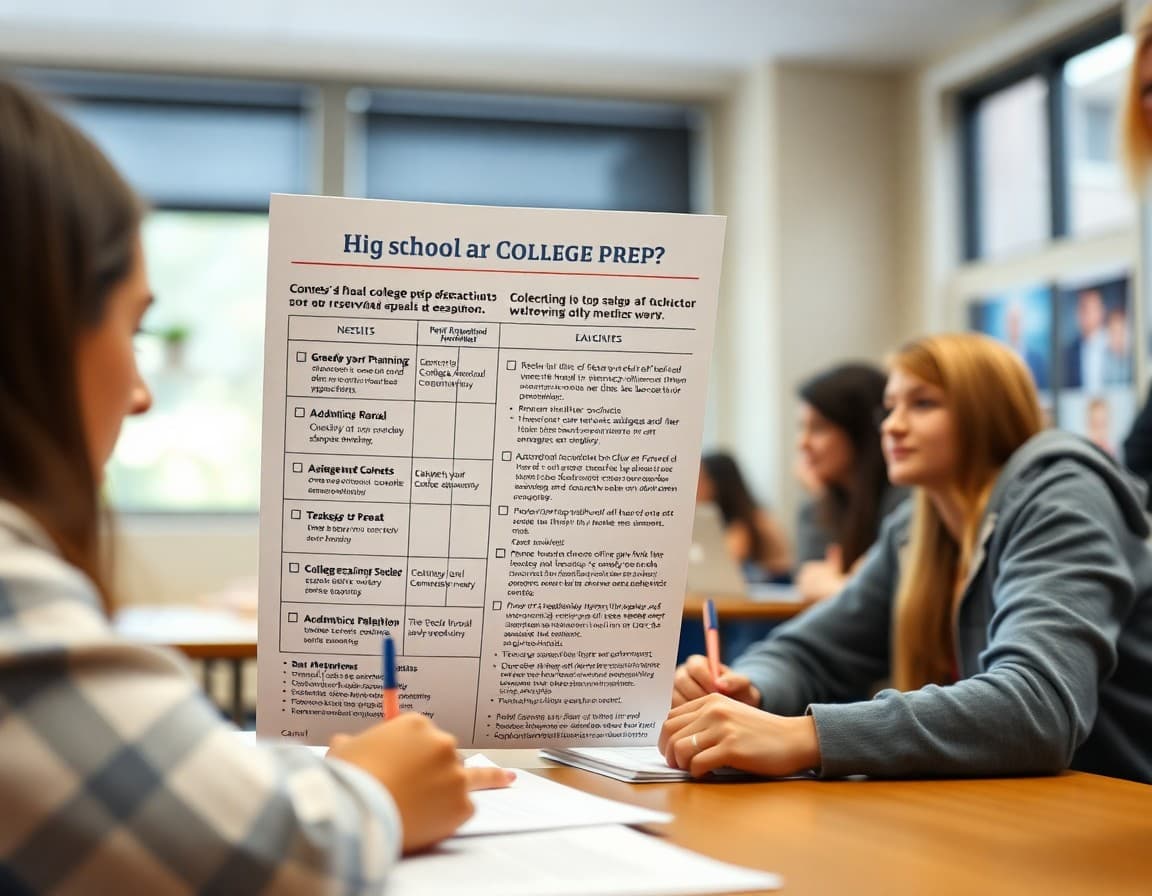
College Prep Is a Four-Year Process
Families who think about college preparation seriously for the first time in junior year are already behind. The course selection decisions made in eighth and ninth grade, the GPA built over four years, the extracurricular involvement that begins in sophomore year, and the standardized test preparation that starts junior fall all contribute to a college application that cannot be assembled at the last minute. A newsletter that plants this awareness early does families a genuine service.
What Ninth and Tenth Graders Should Be Doing
Freshmen and sophomores preparing for college should be taking the most challenging courses they can manage successfully, getting involved in one or two activities they genuinely care about, building relationships with teachers who will eventually write recommendations, and maintaining the GPA that will appear on every transcript they submit. A brief newsletter targeting this grade band with these specific priorities is more useful than a generic college prep message.
What Eleventh Grade Actually Looks Like
Junior year is the most logistically complex year of high school for college-bound students. PSAT in October, SAT and ACT in spring, AP exams in May, college visits during spring break and summer, and the beginning of the application itself in the fall of senior year all require planning that starts in September of junior year. A newsletter that maps this calendar for junior families in September prevents the panic that happens when they discover all of this at once in November.
Academic Habits That Matter More Than GPA
Selective colleges read applications looking for students who can manage college-level independence: students who seek help proactively, who engage with difficult material rather than avoiding it, who write with clarity and specificity, who contribute to classroom discussion rather than waiting to be called on. A newsletter that helps parents reinforce these habits at home contributes to college preparation in a way that test prep alone does not.
Extracurriculars: Depth Over Breadth
A common college prep mistake is loading up on activities to fill a resume. Admissions readers notice when a student's activity list looks like a list rather than a story. A student who is deeply involved in two or three activities and shows growth and leadership in them is more compelling than a student with fifteen activities and no depth in any of them. A newsletter that communicates this principle clearly saves families from a strategy that backfires.
Financial Aid Awareness From the Start
Most families do not understand how financial aid works until they are in the middle of the application process, which is too late to plan effectively. A newsletter that introduces FAFSA, merit aid, CSS Profile, and early financial aid application advantages to junior and sophomore families gives them time to make strategic decisions about school lists and application timing.
Making College Prep Communication Part of Your Year
You do not need to write a separate college prep newsletter. Including one college readiness item in each regular class newsletter, appropriate to the grade level you teach, adds this content without creating a separate communication channel. The cumulative effect over four years is a family that arrives at senior fall significantly better prepared than one whose teacher never raised the topic.
Get one newsletter idea every week.
Free. For teachers. No spam.
Frequently asked questions
What does a high school college prep newsletter cover?
A college prep newsletter covers the specific actions families can take in each grade to prepare students for college admission and success. This includes course selection advice, extracurricular engagement guidance, standardized test timelines, college application mechanics, financial aid awareness, and the academic skills and habits that selective colleges reward in applications.
When should high school teachers start college prep communication?
College prep communication should start in ninth grade with course selection and the four-year academic planning conversation. The urgency increases in junior year when standardized tests, college visits, and application planning all happen simultaneously. A teacher who plants seeds about college readiness in ninth grade saves families from confusion in eleventh grade.
What academic habits in high school prepare students for college success?
The habits that most reliably predict college success include time management and self-direction, seeking help before a situation becomes a crisis, reading challenging texts without waiting for someone to explain every sentence, writing with clarity and precision, and tolerating the discomfort of not immediately knowing the answer. These habits develop in high school. A newsletter that names them gives families language for reinforcing them at home.
How should teachers address college prep for students who are not applying to four-year colleges?
College prep communication should acknowledge that college readiness broadly means preparation for whatever comes after high school: community college, trade programs, apprenticeships, military service, or direct employment. The skills and habits that prepare students for these paths overlap significantly with four-year college preparation. Framing college prep as post-secondary readiness reaches all families, not just those targeting selective universities.
What tool helps high school teachers send college prep newsletters?
Daystage makes it easy for high school teachers to send formatted college prep newsletters with grade-by-grade action items, key deadlines, and academic preparation tips to parent email lists. Teachers use it to stay ahead of the college prep calendar so families are never catching up to a process that already passed them by.

Adi Ackerman
Author
Adi Ackerman is a former classroom teacher and curriculum writer with 8 years in K-8 schools. She writes about school communication, parent engagement, and what actually works in real classrooms.
More for High School
Ready to send your first newsletter?
3 newsletters free. No credit card. First one ready in under 5 minutes.
Get started free